

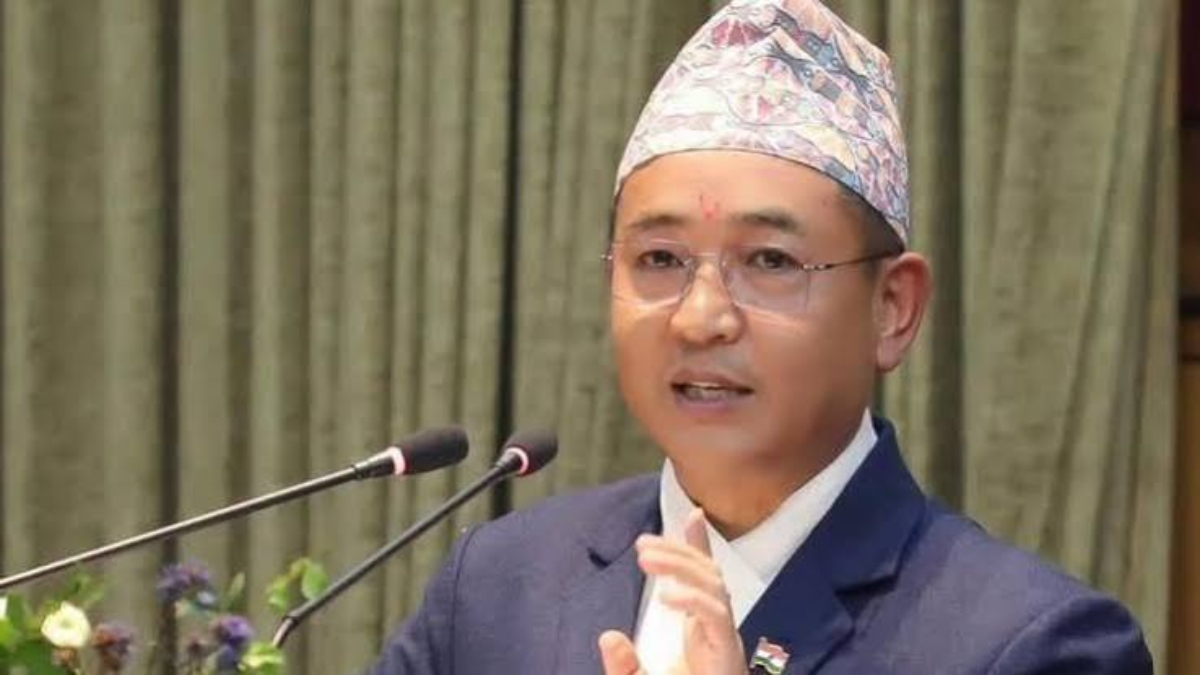
Nepali language recognition has once again come into focus in Sikkim as Chief Minister Prem Singh Tamang urged the younger generation to protect, promote and pass on the language to future generations. Speaking on the occasion of Bhasa Manyata Diwas 2026, Tamang described the constitutional recognition of Nepali as a historic milestone for the language, culture and identity of the Nepali-speaking community.
The Chief Minister said language is closely connected with history, civilisation, traditions, emotions and collective identity. He called on people to take shared responsibility for ensuring that Nepali remains a living part of everyday life, particularly among young people growing up in a rapidly changing digital environment.
Nepali language recognition marked as historic milestone
Bhasa Manyata Diwas is observed every year on August 20 to mark the inclusion of Nepali in the Eighth Schedule of the Constitution of India in 1992. The recognition gave Nepali constitutional status alongside other scheduled Indian languages and remains an important milestone for Nepali-speaking communities across the country.
Tamang paid tribute to writers, linguists, scholars, activists, political leaders and language enthusiasts whose sustained efforts contributed to the recognition movement. He described August 20 as a proud and unforgettable day for the community.
The Chief Minister also emphasised that constitutional recognition should not be viewed simply as a historical achievement. Instead, it provides a foundation for continued work to strengthen Nepali literature, education and cultural expression.
Youth urged to keep the language alive
A major focus of Tamang’s message was the role of the younger generation. He said young people must develop pride in their mother tongue and understand its importance to their cultural identity.
The appeal comes at a time when technology, social media and changing communication habits are influencing how younger generations use languages. Tamang stressed the need to ensure that the rich literary and intellectual heritage of Nepali is strengthened rather than allowed to weaken.
The message also reflects concerns discussed at this year’s Bhasa Manyata Diwas programme in Gangtok. Speakers highlighted the need for families, writers, educational institutions and community organisations to work together to encourage young people to learn and use Nepali.
For Sikkim, the issue is also linked to its wider cultural diversity. The state government has repeatedly said that protecting languages and traditions is essential to preserving the identities of its different communities.
Government highlights wider language preservation
The Sikkim government has said it will continue initiatives aimed at protecting the state’s linguistic and cultural heritage. Tamang reiterated that the government supports the promotion of languages spoken in Sikkim while encouraging unity, goodwill and coexistence among communities.
The state’s broader language policy also extends beyond Nepali. In March 2026, the government said it had passed a cabinet resolution concerning the inclusion of Bhutia, Lepcha and Limboo languages in the Eighth Schedule. The issue has also featured in the Chief Minister’s legislative agenda.
This wider approach places Nepali language recognition within Sikkim’s larger effort to protect its multilingual and multicultural character.
Honouring those behind constitutional recognition
The state has also continued to recognise the individuals associated with the long campaign for constitutional status. Tamang has paid tribute to former Sikkim Chief Minister Nar Bahadur Bhandari and former Lok Sabha MP Dil Kumari Bhandari for their contributions to the movement.
At the 2025 Bhasa Diwas celebration, Tamang had announced that the two leaders would be formally felicitated on August 20, 2026 for their role in securing recognition for Nepali.
The Chief Minister has also linked language preservation with literary development. During the 212th Bhanu Jayanti celebration in July, he highlighted the contribution of Adikavi Bhanubhakta Acharya to Nepali literature and reaffirmed government support for writers, scholars and cultural institutions. The state also announced the Anubad Setu Award, carrying a cash prize of ₹3 lakh, to promote translation and literary excellence.
As Sikkim marks another Bhasa Manyata Diwas, the focus is therefore shifting from celebrating constitutional recognition to ensuring its long-term impact. Tamang’s appeal places young people at the centre of that effort, with families, schools and cultural institutions expected to help keep Nepali connected to everyday life. The broader message is that protecting a language means protecting the history, literature and identity carried within it.
Pema Khandu Wishes Arunachal’s Pura Sumpi Success at Miss Universe India 2026 Finale