


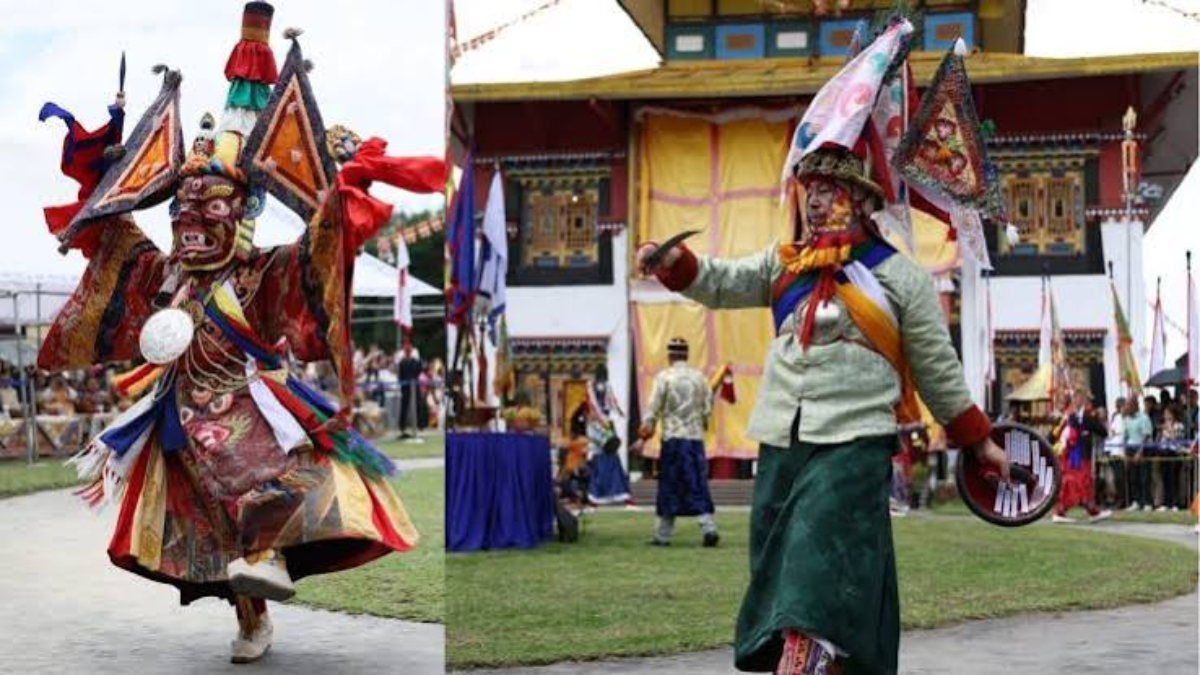
Pang Lhabsol is one of Sikkim’s most revered festivals, bringing together faith, cultural heritage and community spirit around the sacred Mount Khangchendzonga. The 2026 celebrations concluded on August 28 after a series of religious, cultural and sporting programmes across the state, renewing Sikkim’s traditional bond with its guardian deity.
Pang Lhabsol honours Mount Khangchendzonga
The annual festival commemorates the consecration of Mount Khangchendzonga as the guardian deity of Sikkim. The mountain holds deep spiritual significance for the people of the state and is closely linked with traditional beliefs, religious practices and the region’s cultural identity.
According to the Ministry of Tourism, the festival has roots in the Lepcha belief that Khangchendzonga is connected to their origins. Its religious traditions are also associated with Lhatsun Chenpo, whose spiritual vision helped establish the mountain’s status as Sikkim’s protector.
The festival also commemorates the historic brotherhood treaty between the Lepcha and Bhutia communities at Kabi Lungchok. Sikkim Governor Om Prakash Mathur, in his 2026 message, highlighted both the consecration of Khangchendzonga and the brotherhood between the two communities as central elements of the occasion.
2026 festival begins at Yuksam
This year’s celebrations began at Yuksam in Gyalshing district on August 21 under the theme “Sacred Celebration of Mount Khangchendzonga, Faith and Heritage.” The eight-day programme brought together monks, community representatives, government officials and residents.
Minister for PHED, Water Resources and Ecclesiastical Affairs Ven Sonam Lama inaugurated the festival. The programme received support from the Khangchendzonga National Park Division of the Forest and Environment Department and the Tourism and Civil Aviation Department.
The minister urged younger generations to preserve and carry forward the festival’s traditions. He also called for unity across communities, stressing the importance of collective efforts to protect Sikkim’s cultural heritage.
Religious traditions remain at the heart of Pang Lhabsol
A major feature of the celebrations is the traditional pilgrimage undertaken by monks from Pemayangtse Monastery and local devotees. They travel towards Dzongri, where special prayers are offered to Mount Khangchendzonga.
On the main festival day on August 28, religious ceremonies were held at Dzongri, while simultaneous observances took place at Norbugang and Yuksam. These rituals reflect the enduring spiritual relationship between the people of Sikkim and the mountain.
The festival also includes the Pangtoed Cham, or masked warrior dance. The traditional performance is associated with the historical role of Khangchendzonga as a protector and is among the most recognisable cultural features of the celebration.
Cultural diversity adds to the celebrations
The 2026 programme also showcased Sikkim’s diverse communities. Cultural presentations representing Bhutia, Lepcha, Limboo and Nepali traditions featured during the Yuksam celebrations, reinforcing the festival’s wider role as a platform for unity and shared heritage.
The celebrations were not limited to religious activities. A health camp was organised by the All Sikkim Bhutia Association in association with Gyalshing District Hospital, while sporting events were also included in the programme. A futsal tournament was scheduled as part of the eight-day festivities.
A notable addition this year was the Pang-Lhabsol Ride, organised from Pemayangtse Monastery to Yuksam. Around 360 bikers from Bhutan, Nepal, the Northeast and different parts of Sikkim participated, escorting monks undertaking the traditional pilgrimage to Dzongri.
Pang Lhabsol strengthens Sikkim’s heritage
The 2026 celebrations in Ravangla also highlighted the continuing importance of the festival beyond Yuksam. The annual event at Udhar Che-Sum Mani Chorkling Gumpa began on August 25 and continued until August 28, featuring the traditional Pangtoed Cham. Devotees were also offered Tsewang, or long-life blessings, on the concluding day.
Together, these celebrations demonstrate how Sikkim continues to preserve an ancient tradition while adapting its public festivities to contemporary community life. The festival connects religious devotion with cultural expression, environmental consciousness and social harmony.
As Sikkim continues to celebrate its diverse traditions, Pang Lhabsol remains an important reminder of the state’s enduring relationship with Mount Khangchendzonga. Its rituals, pilgrimages, dances and community gatherings ensure that the spiritual and cultural legacy associated with the sacred mountain continues to reach younger generations.
Asmita Dey Wins Historic Commonwealth Gold as Tripura Assembly Hails Judo Star