

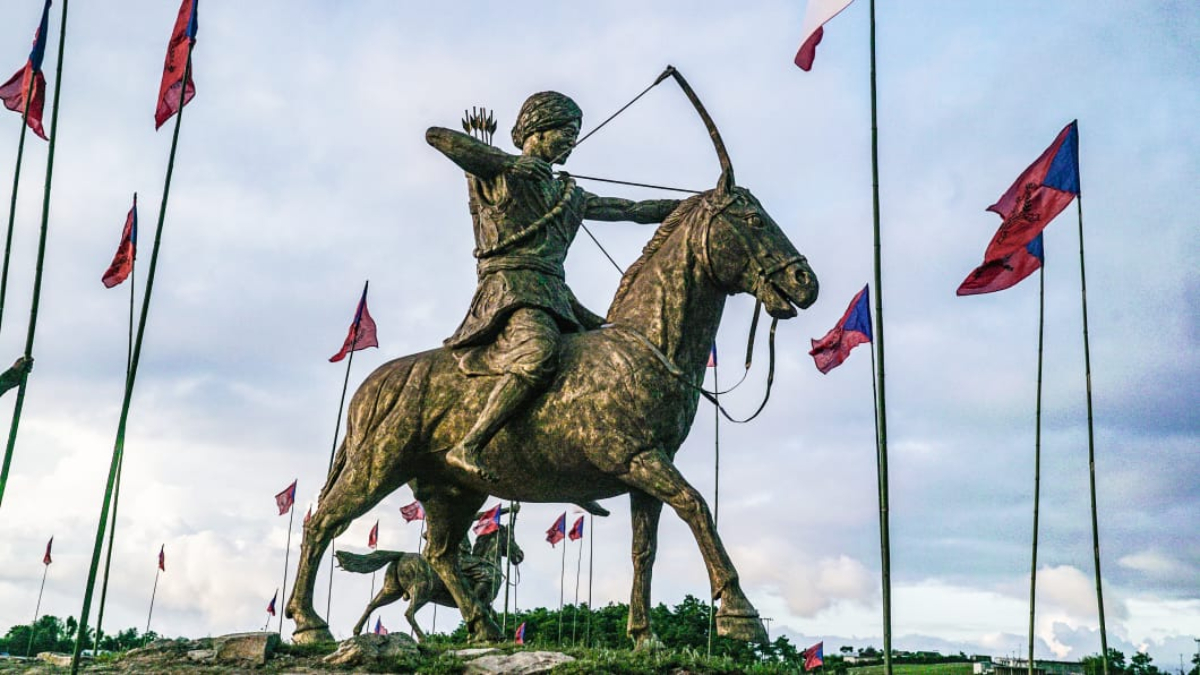
Meghalaya Khasi resistance leaders are finally receiving long-overdue recognition as the Meghalaya government has unveiled plans to honour several forgotten freedom fighters with towering 15-foot statues. The initiative seeks to preserve the legacy of Khasi warriors who resisted British colonial rule and played a significant role in protecting the region’s identity, culture, and autonomy. The memorial project is expected to become an important historical landmark while educating future generations about the sacrifices made by these indigenous heroes.
Meghalaya honours forgotten Khasi heroes
The Meghalaya government has announced the installation of 15-foot statues dedicated to prominent Khasi resistance leaders who fought against British colonial expansion during the 19th century. The decision reflects the state’s broader efforts to revive indigenous history and celebrate local heroes whose contributions have often remained overshadowed in mainstream historical narratives.
Officials stated that the statues will serve as permanent reminders of the courage, determination, and leadership demonstrated by these figures during one of the most challenging periods in Meghalaya’s history.
The initiative also aligns with ongoing efforts to preserve the state’s rich cultural heritage and strengthen public awareness of the freedom movements that emerged from Northeast India.
Why the Meghalaya Khasi resistance leaders are significant
The Meghalaya Khasi resistance leaders played a crucial role in opposing British attempts to establish administrative control over the Khasi Hills. Among the most celebrated figures is U Tirot Sing Syiem, who led one of the fiercest uprisings against British forces between 1829 and 1833.
Alongside U Tirot Sing, several other Khasi chiefs and warriors organised resistance movements to defend their land, traditional governance systems, and community rights. Their struggle represented not only a military confrontation but also a fight to preserve indigenous identity and political autonomy.
Historians believe these leaders laid the foundation for regional pride and remain enduring symbols of courage for the Khasi community.
Statue project aims to preserve heritage
The upcoming statues, each standing approximately 15 feet tall, are intended to become major heritage landmarks across Meghalaya. The project is expected to attract students, researchers, tourists, and history enthusiasts interested in learning more about the state’s indigenous freedom fighters.
Government officials have emphasised that the statues are not merely monuments but educational symbols that will help bridge historical gaps in public knowledge.
The memorials are also expected to encourage schools and educational institutions to include more regional history in academic discussions, ensuring that younger generations understand the contributions of local resistance leaders.
Cultural identity at the heart of the initiative
The tribute reflects Meghalaya’s commitment to preserving Khasi traditions and recognising indigenous contributions to India’s wider freedom struggle.
Community leaders have welcomed the announcement, saying that honouring these forgotten heroes strengthens cultural identity while inspiring younger generations to appreciate their heritage.
The statues are also expected to become important venues during state commemorations, cultural festivals, and educational programmes celebrating Khasi history.
Government’s broader vision for heritage conservation
The decision to honour the Meghalaya Khasi resistance leaders forms part of a larger strategy to preserve historical monuments, oral traditions, and indigenous culture across the state.
In recent years, Meghalaya has increased investments in heritage tourism, museum development, and cultural preservation initiatives. Officials believe recognising local heroes will further promote responsible tourism while creating opportunities for cultural education.
The state government has also highlighted the importance of documenting lesser-known chapters of Northeast India’s history, many of which have remained underrepresented in national historical narratives.
Boost for heritage tourism
Beyond its historical importance, the statue project is expected to benefit Meghalaya’s tourism sector. Visitors increasingly seek destinations offering authentic cultural experiences, and monuments dedicated to Khasi resistance leaders could become key attractions.
Tourism experts believe heritage circuits featuring historical memorials, museums, and cultural sites can complement Meghalaya’s existing reputation for natural beauty, waterfalls, caves, and living root bridges.
Such initiatives may encourage longer tourist stays while generating economic opportunities for local communities through guided tours, handicrafts, and cultural events.
Public response to the announcement
The announcement has received positive reactions from historians, educators, cultural organisations, and members of the Khasi community. Many have described the move as long overdue, arguing that regional freedom fighters deserve recognition equal to national icons.
Several scholars have noted that public memorials play an important role in preserving collective memory and ensuring that significant historical figures remain relevant to future generations.
Citizens have also expressed hope that similar recognition will be extended to other indigenous leaders from across Meghalaya and the wider Northeast region.
Mizoram Border Infrastructure Funds Face Opposition Criticism Over Implementation Speed
A lasting tribute to Meghalaya’s brave past
The decision to honour the Meghalaya Khasi resistance leaders with impressive 15-foot statues marks an important milestone in preserving the state’s rich historical legacy. By recognising the bravery of those who resisted colonial rule, Meghalaya is reinforcing the importance of indigenous history within India’s broader freedom movement.
As the memorials take shape, they are expected to inspire pride, promote historical awareness, and strengthen cultural identity for generations to come. More than monuments of stone and metal, these statues will stand as enduring symbols of courage, resilience, and the unbreakable spirit of the Khasi people.