

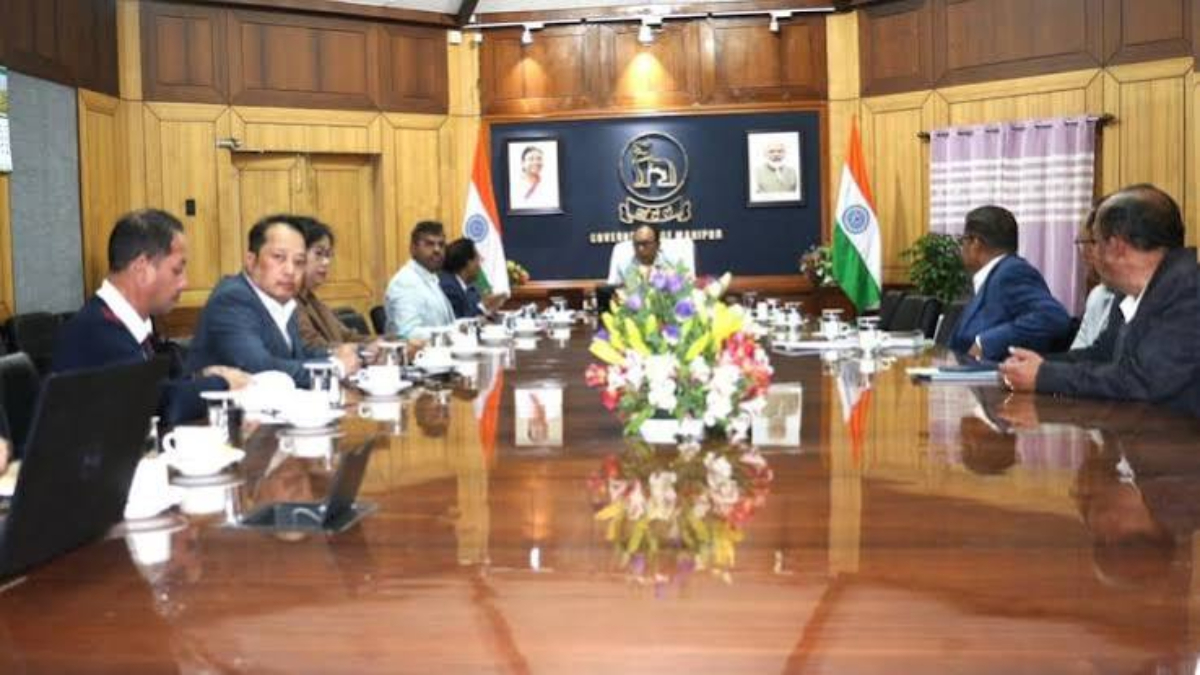
Free movement along NH-2 is emerging as a significant step towards economic recovery in Manipur, with Chief Minister Yumnam Khemchand Singh highlighting the highway’s importance for trade, transportation and the movement of essential commodities. The Chief Minister has appreciated the cooperation of communities in Senapati district, particularly Maram, Tadubi and Mao, for helping restore unhindered vehicular movement along the strategic route connecting Imphal with Dimapur and Guwahati.
The development is important for a state that has faced prolonged disruptions to transportation and commercial activities amid ethnic tensions. With improved connectivity, the government expects businesses, commuters and transport operators to benefit from smoother movement, while the restoration of normal travel conditions could support broader economic recovery.
NH-2 Reopening Strengthens Manipur’s Economy
National Highway 2 is one of Manipur’s most important transportation corridors. It connects Imphal with Dimapur in Nagaland and provides access to Guwahati and other parts of the Northeast. The highway serves as a crucial route for passenger vehicles, commercial transport and supplies entering the state.
Yumnam Khemchand Singh has said that restoring free movement along the highway has contributed positively to Manipur’s economy. The improved movement of vehicles can help reduce transportation delays, ease supply constraints and allow traders to move goods more efficiently.
For businesses dependent on supplies arriving from outside Manipur, reliable road connectivity is essential. Disruptions can increase transport costs, delay deliveries and affect the availability of goods in local markets. The restoration of movement therefore represents an important opportunity to improve commercial activity and rebuild confidence among traders.
Chief Minister Highlights ₹1,200 Crore GST Revenue Loss
The Chief Minister has also drawn attention to the financial impact of the prolonged ethnic crisis on the state. According to recent reports, Singh cited a Goods and Services Tax (GST) revenue loss of approximately ₹1,200 crore during the period of unrest.
The figure highlights the wider economic consequences of prolonged disruptions. When transport routes become unreliable, businesses may experience reduced sales, interrupted supply chains and lower commercial activity. These pressures can also affect tax collections and the state government’s revenue position.
The restoration of smoother highway movement could help reverse some of these effects by supporting trade and improving the movement of goods and people. However, sustained economic recovery will depend on broader stability, the revival of businesses and the restoration of public confidence across the state.
Community Cooperation Plays a Key Role
Singh has praised the communities of Maram, Tadubi and Mao in Senapati district for their role in facilitating unhindered movement along NH-2. Their cooperation highlights the importance of local participation in maintaining transportation links that serve people across community boundaries.
The highway’s significance extends beyond individual districts. It connects residents, traders, transport workers and service providers with markets and destinations across the region. Any prolonged interruption can affect multiple communities, making cooperation essential for keeping the route accessible.
The Chief Minister’s appreciation also comes amid wider efforts to restore normalcy and encourage dialogue among communities affected by the conflict. Sustained coordination between local stakeholders and the administration will be important to ensure that vehicles can continue travelling without disruption.
Free Movement Along NH-2 Supports Trade and Transport
The benefits of improved highway access can extend across several sectors of Manipur’s economy. Traders depend on dependable transport links to bring in essential commodities, while wholesalers and retailers need regular supplies to maintain business operations.
Transport operators may also benefit from fewer delays and more predictable journeys. For passengers, smoother movement can improve access to employment, education, healthcare and other essential services. Better connectivity can additionally support economic links between Manipur and neighbouring states.
In August 2026, the Manipur government announced the reopening of national highways for free movement by all communities and the resumption of the Imphal-Dimapur bus service. The announcement was made jointly by Chief Minister Yumnam Khemchand Singh, Deputy Chief Minister Nemcha Kipgen and Saitu MLA Haokholet Kipgen at Kangpokpi district headquarters.
The initiative covered NH-2, linking Imphal and Dimapur, as well as NH-37, which connects Imphal with Jiribam. Both routes have faced serious disruptions since ethnic violence began in May 2023.
Subsequent reports indicated that public transport services along the Imphal-Dimapur-Guwahati route continued operating, reflecting efforts by communities and authorities to maintain connectivity despite local tensions.
Sustained Peace Essential for Long-Term Recovery
Although the restoration of highway movement is an encouraging development, Manipur’s economic recovery requires more than improved road access. Businesses need predictable transport conditions, residents need confidence in travelling safely, and communities need lasting arrangements that prevent fresh disruptions.
The government’s challenge will be to sustain cooperation, strengthen security and ensure that essential supplies and passenger services can move without discrimination or unnecessary interruption. Continued dialogue involving community representatives, civil society organisations and public authorities will remain important.
The renewed movement along NH-2 offers Manipur an opportunity to rebuild commercial activity and improve links with the wider Northeast. As Yumnam Khemchand Singh emphasises the economic value of the highway, maintaining safe and reliable connectivity will be essential to translating this progress into lasting benefits for businesses, communities and the state’s finances.
Mizoram Civil Societies Urge Borders to Remain Open for Humanitarian Aid