

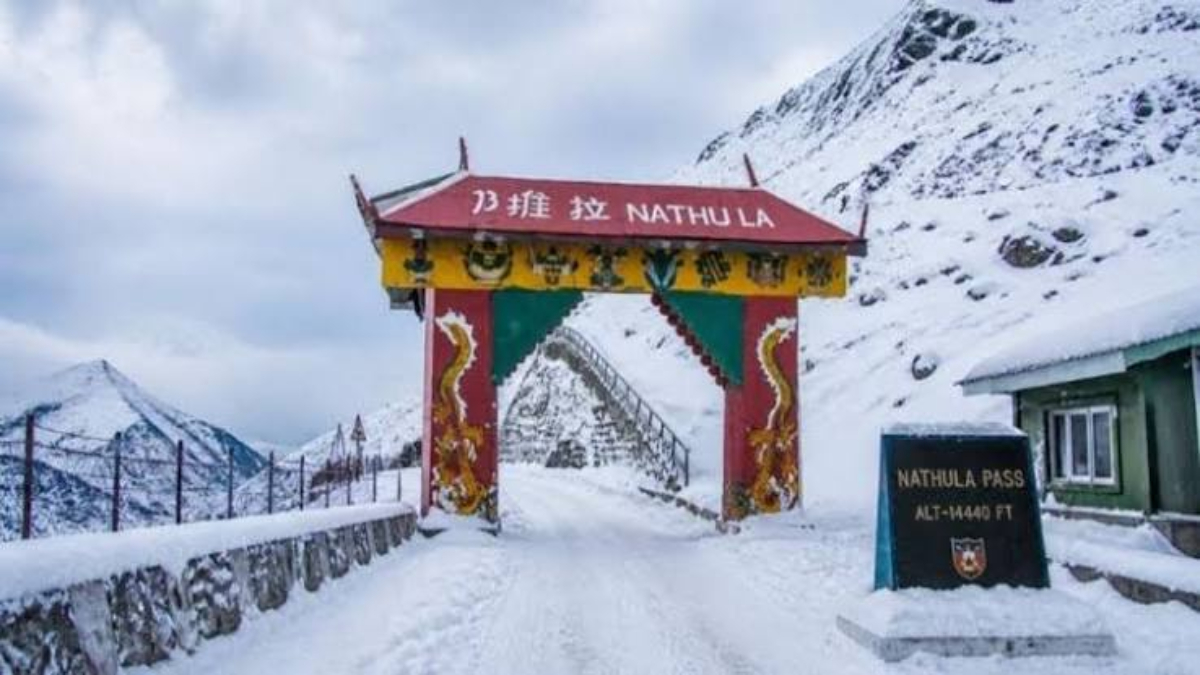
Nathula Pass trade resume marks a significant development for Sikkim and the broader Himalayan border region as cross-border trade through the historic Nathula Pass is set to restart from August 1, 2026, after remaining suspended for nearly six years. The decision is expected to revive livelihoods, strengthen local businesses, and restore an important economic link between India and China. Traders, transport operators, and residents in East Sikkim have welcomed the move, hoping it will bring renewed commercial activity and employment opportunities.
Historic reopening after a prolonged suspension
The reopening of trade through Nathula Pass comes after an extended closure caused by a combination of the COVID-19 pandemic, border tensions, and security-related concerns. While the pass has remained accessible for limited tourism at different times, commercial trade had remained halted since 2020.
The Government of India and the concerned authorities have now approved the resumption of border trade from August 1, allowing registered traders from both sides to restart the exchange of approved commodities under the existing bilateral trade framework.
The development is being viewed as a positive step towards restoring economic activity in the region while maintaining established security protocols.
Nathula Pass trade resume expected to strengthen Sikkim’s economy
The Nathula Pass trade resume is expected to provide a much-needed economic boost to Sikkim, particularly to communities dependent on border commerce.
Local traders have been preparing for the reopening by renewing registrations, arranging logistics, and reconnecting with business partners. Transporters, warehouse operators, porters, and hospitality businesses are also likely to benefit from increased movement of goods and people associated with trade.
Experts believe that the reopening will create fresh employment opportunities while supporting small and medium enterprises that suffered losses during the prolonged suspension.
Businesses in Gangtok and surrounding areas are optimistic that increased commercial activity will have a positive ripple effect across sectors such as transportation, retail, accommodation, and food services.
What goods are traded through Nathula Pass?
Border trade through Nathula Pass operates under an agreed list of traditional commodities exchanged between India and China.
Indian traders typically export items such as agricultural products, processed foods, textiles, blankets, utensils, bicycles, and locally manufactured goods. Imports commonly include wool, yak tails, raw silk, animal hides, herbs, and other traditional products permitted under the bilateral trade agreement.
Authorities are expected to continue regulating trade through designated trading days and approved commodity lists to ensure smooth operations.
Importance of Nathula Pass in India-China relations
Located at an altitude of over 14,000 feet in East Sikkim, Nathula Pass is one of the oldest mountain passes connecting India with Tibet.
Historically, it formed part of the ancient Silk Route before being closed following the 1962 India-China conflict. The pass was reopened for border trade in 2006, symbolising improved bilateral engagement and regional economic cooperation.
Although trade volumes through Nathula are relatively modest compared to major international trade corridors, the route holds significant strategic, diplomatic, and cultural importance.
The reopening demonstrates a willingness to restore limited economic exchanges despite broader geopolitical challenges.
Local administration prepares for reopening
Authorities in Sikkim have undertaken necessary preparations ahead of the August 1 reopening.
Infrastructure maintenance, road inspections, customs arrangements, and security coordination have been strengthened to facilitate the smooth movement of traders and goods. Officials have also been working closely with trader associations to ensure documentation and registration requirements are completed in time.
Given the region’s challenging terrain and unpredictable weather, authorities are expected to continuously monitor road conditions to minimise disruptions during the trading season.
Himanta Biswa Sarma Cultural Outreach Visit Viewed as Regional Engagement Initiative
Opportunities for border communities
The Nathula Pass trade resume is expected to bring renewed optimism to border villages that have witnessed reduced economic activity over the past six years.
Many families rely directly or indirectly on border trade through transportation services, logistics, loading operations, tourism, and small businesses. The reopening could encourage greater commercial investment while improving income generation for local residents.
Trade associations have welcomed the decision, describing it as an important milestone for economic recovery in the region.
Businesses also hope that consistent trade operations will encourage better infrastructure development, improved connectivity, and enhanced market access for locally produced goods.
Challenges remain despite reopening
While optimism is high, stakeholders acknowledge that several challenges remain.
Weather conditions in the high-altitude region frequently affect road connectivity, particularly during the monsoon season. Traders will also need to comply with customs regulations, security procedures, and the approved list of tradable commodities.
In addition, future trade volumes will depend on sustained bilateral cooperation and smooth coordination between authorities on both sides of the border.
Despite these factors, the reopening is widely regarded as an encouraging step that could gradually restore confidence among businesses operating in the region.
Positive outlook for Sikkim’s border trade
The restart of commercial activities through Nathula Pass represents more than just the reopening of a trading route. It signals renewed economic opportunities for Sikkim’s border communities and reinforces the historical importance of one of India’s most significant Himalayan trade corridors.
As registered traders prepare to resume operations from August 1, expectations remain high that border commerce will once again contribute to local livelihoods, stimulate regional business activity, and strengthen Sikkim’s economy after six years of inactivity. If trade continues smoothly, the reopening could mark the beginning of a sustained revival for one of India’s most iconic border trading routes.