

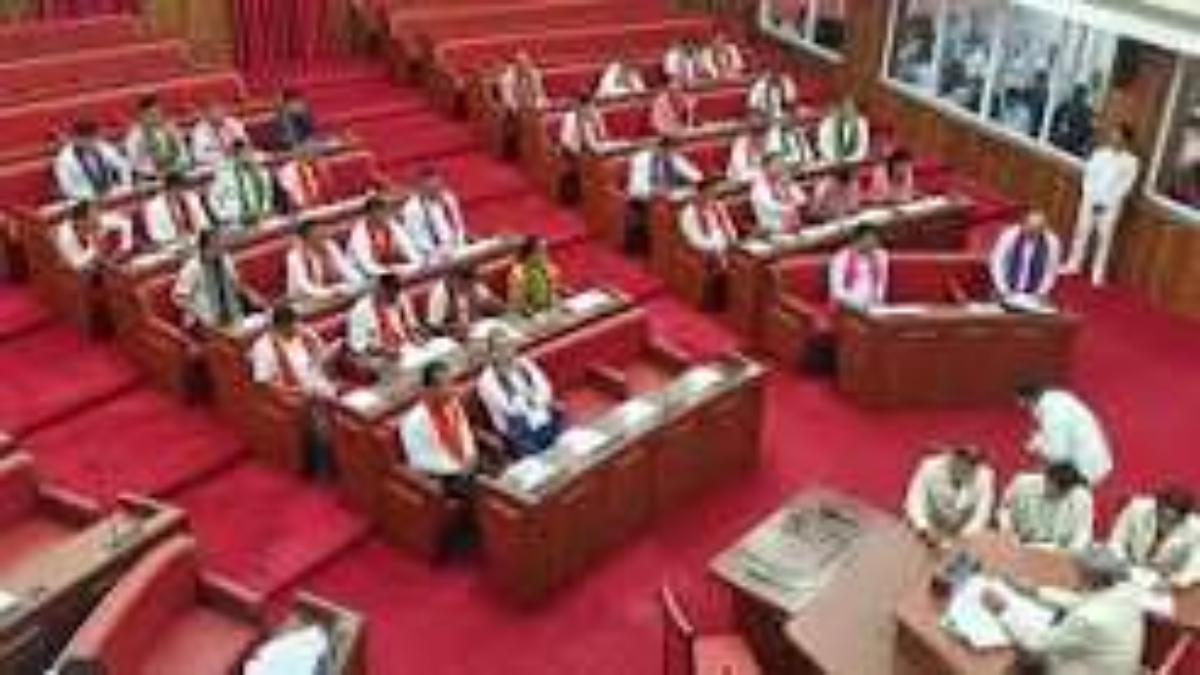
BTC Budget 2026-27 has laid out an ambitious development roadmap for the Bodoland Territorial Region (BTR), with the Bodoland Territorial Council (BTC) presenting a budget of Rs 1,588.31 crore for the financial year 2026-27. The budget places significant emphasis on strengthening education, improving infrastructure, expanding welfare initiatives, and promoting sustainable economic growth across the region. The financial plan reflects the council’s commitment to enhancing public services and accelerating development in the BTR.
The budget was presented during the ongoing BTC Council session and outlines sector-wise allocations aimed at improving the quality of life of residents while supporting long-term growth. With investments spanning roads, schools, healthcare, agriculture, and employment generation, the council hopes to address key developmental priorities across the five districts of the Bodoland Territorial Region.
BTC Budget 2026-27 prioritises education sector
Education emerged as one of the key focus areas in the BTC Budget 2026-27. The council announced increased allocations to strengthen school infrastructure, improve educational facilities, and support quality learning across government institutions.
The budget proposes the construction and renovation of school buildings, modern classrooms, and hostel facilities. It also includes provisions for teacher training programmes and measures to improve digital education infrastructure. The council aims to enhance access to quality education, particularly in rural and remote areas of the BTR.
Officials stated that investing in education remains central to preparing skilled youth and creating better employment opportunities in the region.
Infrastructure development receives major attention
Infrastructure development forms another major pillar of the budget. The BTC has allocated substantial funds for improving road connectivity, bridges, public buildings, drinking water facilities, and rural infrastructure.
Several ongoing road construction projects will continue during the financial year, while new connectivity initiatives are expected to improve transportation between villages and urban centres. Better infrastructure is expected to facilitate trade, enhance access to healthcare and education, and support overall economic activity within the Bodoland Territorial Region.
The council also plans to strengthen civic amenities by upgrading public offices and community infrastructure.
Welfare initiatives remain a priority
Apart from infrastructure, the BTC Budget 2026-27 provides significant support for welfare schemes benefiting women, children, senior citizens, and economically weaker sections.
The council intends to continue social security programmes while introducing additional initiatives focused on improving livelihoods and financial inclusion. Special attention has also been given to healthcare services, nutrition programmes, and support for vulnerable communities.
Officials noted that welfare spending is designed to ensure inclusive growth while addressing the needs of disadvantaged sections of society.
Agriculture and rural economy to get support
Agriculture continues to be the backbone of the Bodoland Territorial Region, and the budget includes provisions to strengthen the rural economy. Financial assistance has been earmarked for irrigation projects, agricultural extension services, modern farming techniques, and farmer welfare initiatives.
The council also plans to encourage horticulture, fisheries, livestock development, and allied sectors to diversify rural income sources. These initiatives are expected to improve productivity while creating additional employment opportunities for local residents.
Support for self-help groups and rural entrepreneurship has also been included to encourage sustainable economic development.
Focus on employment and skill development
Generating employment remains one of the major objectives of the new financial plan. The BTC has proposed investments in skill development programmes aimed at equipping young people with industry-relevant skills.
Training centres, vocational education, and entrepreneurship development initiatives will receive financial support to encourage self-employment and improve employability among youth. The council believes these initiatives will contribute to economic growth while reducing unemployment across the region.
The budget also encourages collaboration with various government departments to implement livelihood generation programmes effectively.
Balanced financial planning
The BTC Budget 2026-27 has been structured to balance developmental expenditure with fiscal responsibility. Council officials stated that the allocations were prepared after considering ongoing projects, essential public services, and future infrastructure requirements.
The budget seeks to ensure that resources are utilised efficiently while maintaining transparency in public spending. Priority has been given to sectors that directly impact public welfare and economic development.
The council expressed confidence that timely implementation of projects will help achieve the intended developmental goals during the financial year.
Development roadmap for the Bodoland Territorial Region
The newly presented budget reflects the BTC’s broader vision of building stronger infrastructure, expanding educational opportunities, improving healthcare, and ensuring inclusive welfare for all sections of society.
With a total outlay of Rs 1,588.31 crore, the council expects the financial plan to accelerate ongoing development projects while laying the foundation for sustained economic progress across the Bodoland Territorial Region. If implemented effectively, the budget is expected to improve public services, strengthen rural infrastructure, create employment opportunities, and contribute to balanced regional development in the coming years.
Power Move: Tachang Phassang Mister National Universe Journey Puts Arunachal Pradesh On Global Stage