

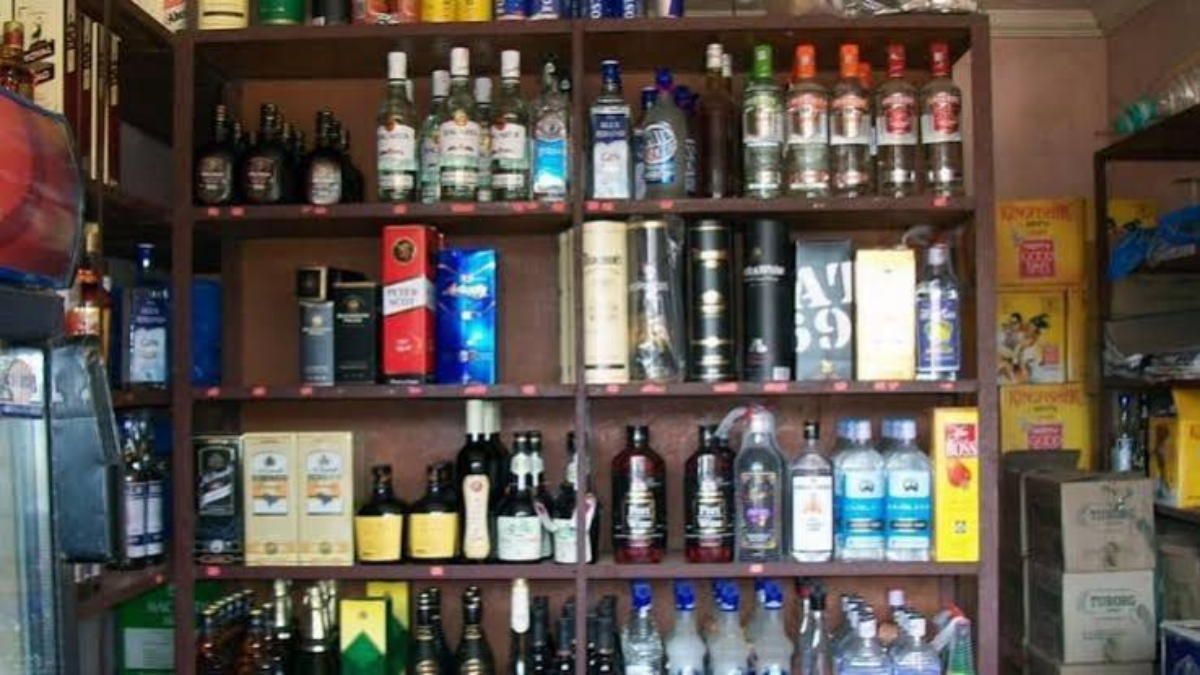
Meghalaya excise revenue has risen from around Rs 180 crore eight years ago to more than Rs 500 crore, marking a nearly threefold increase and reflecting the state government’s efforts to strengthen revenue collection through administrative and policy reforms.
Chief Minister Conrad K Sangma highlighted the sharp increase on August 28 while inaugurating the new office building of the Excise Department at Lower Lachumiere in Shillong. He said the department has undergone significant reforms and expressed confidence that its revenue collection could eventually cross the Rs 1,000-crore mark.
Excise revenue records strong growth
The latest figures show a substantial rise in Meghalaya excise revenue during the past several years. The collection stood at about Rs 180 crore eight years ago and has now crossed Rs 500 crore.
Earlier figures also indicate a steady upward trend. In February 2025, Sangma said excise revenue had increased from Rs 199 crore in 2018 to Rs 458 crore, with the state expecting the figure to cross Rs 520 crore during the financial year.
Official figures presented in the Meghalaya Assembly in March 2025 showed excise collections of Rs 458.19 crore in 2023-24, compared with Rs 365.16 crore in 2022-23 and Rs 307.99 crore in 2021-22. The collection for 2024-25 had reached Rs 500 crore at that point.
Reforms drive Meghalaya excise revenue
The government has attributed the improvement in Meghalaya excise revenue to efforts aimed at plugging leakages, streamlining administration and rationalising the duty structure.
One important measure has been the development of the Integrated Excise Management System, or IEMS. The system is intended to improve monitoring and make excise-related processes more transparent and efficient.
The state has also been working on a QR-code tracking mechanism for liquor products. The system is designed to enable real-time monitoring of stock, production and sales while helping authorities track revenue generated from liquor transactions. Officials have said such technology could reduce leakages and strengthen collection.
These measures have become increasingly important as Meghalaya seeks to expand its own revenue base and improve the efficiency of tax administration.
VAT and excise duties to be combined
Another significant policy change could further affect Meghalaya excise revenue. In August 2026, the state Cabinet approved the folding of VAT on alcoholic liquor into the Excise Duty regime through amendments to Section 44 and Schedule V of the Meghalaya Value Added Tax Act.
Sangma said the decision to combine excise and VAT was expected to increase revenue collection further. The government has described the move as part of its wider reform programme, while stressing that changes should be sustainable and should not disrupt the existing ecosystem or adversely affect stakeholders.
The move could also simplify the administration of taxes relating to alcoholic beverages by bringing the relevant mechanisms under the excise framework.
New Excise Department office inaugurated
The Chief Minister’s remarks came during the inauguration of the Excise Department’s new Rs 14.55-crore office building at Lower Lachumiere.
The department had been operating from temporary structures for more than 50 years. The new facility brings several important wings under one campus, including the laboratory, Enforcement Wing, Integrated Excise Management System and the Commissioner’s office.
The government expects the consolidated facility to improve coordination between different units and make interactions with licensees more efficient.
Sangma also linked the department’s work to broader public spending, saying revenue generated through excise collections contributes to areas such as schools, hospitals and safe motherhood programmes. He urged officials to recognise the wider impact of their revenue mobilisation responsibilities.
Meghalaya eyes Rs 1,000 crore target
With Meghalaya excise revenue already above Rs 500 crore, the government is now looking at a much higher target. Sangma said the department has the potential to cross Rs 1,000 crore in revenue as further reforms are implemented.
Achieving that goal would require sustained improvements in compliance, monitoring and administration. The government’s recent focus on digital tracking, institutional infrastructure and changes to the tax framework suggests that revenue mobilisation will remain an important policy priority.
The rise from around Rs 180 crore to more than Rs 500 crore in eight years represents a significant expansion in the state’s excise collections. With additional reforms underway, Meghalaya will now seek to build on this momentum while ensuring that its revenue policies remain sustainable and effective.
Asmita Dey Wins Historic Commonwealth Gold as Tripura Assembly Hails Judo Star