

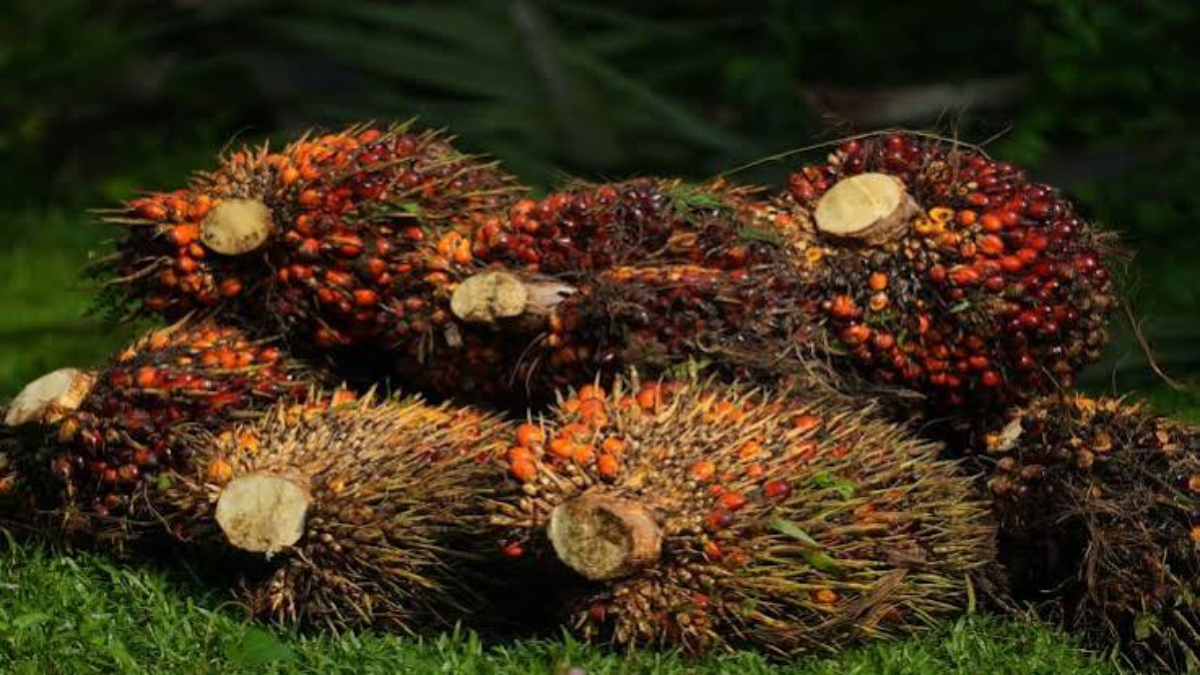
Tripura oil palm cultivation is set for a major expansion in the 2026-27 financial year, with the state targeting 6,000 hectares for the crop. The initiative reflects Tripura’s efforts to diversify agricultural activities, improve farmers’ income opportunities and contribute to India’s broader goal of reducing dependence on imported edible oils. The proposed expansion could create new opportunities for growers, provided adequate planting material, technical guidance, processing facilities and market support are made available.
Oil palm is considered an important commercial crop because its fruit produces palm oil, which is widely used in food processing and several consumer products. For Tripura, expanding cultivation could offer farmers an alternative to conventional crops while encouraging investment in agricultural infrastructure and related industries.
Tripura Oil Palm Cultivation Reaches 4,700 Hectares
According to a statement by P. B. Jamatia, Director of the Agriculture and Farmers Welfare and Horticulture departments, reported on October 19, 2026, Tripura has already brought 4,700 hectares under oil palm cultivation against its annual target of 6,000 hectares. The remaining 1,300 hectares are expected to be covered by March 2027.
India Today NE
The state has more than 10,000 oil palm growers, indicating growing participation in the initiative. The government is particularly focusing on raising awareness among farmers in hilly areas, where oil palm could provide an additional source of income.
Achieving the target will depend on continued farmer participation, timely distribution of saplings and effective coordination between government departments and agricultural companies.
Government Support to Encourage Farmers
Financial assistance and access to planting material are central to the state’s expansion strategy. The government is providing free oil palm saplings through nurseries operated by private entities, helping farmers reduce the initial cost of establishing plantations.
The Centre is also extending financial assistance to growers for four years to encourage adoption of the crop. These measures are intended to support farmers during the early stages, when plantations require investment and regular maintenance before producing commercially useful harvests.
Earlier, in June 2026, Agriculture and Farmers’ Welfare Minister Ratan Lal Nath highlighted additional support, including a one-time incentive of Rs 3,000 for land clearing, Rs 4,000 per hectare for terrace construction and Rs 4,000 per hectare for fencing. These measures were announced as part of the state’s broader efforts to expand cultivation under the National Mission on Edible Oils–Oil Palm.
Why Oil Palm Could Benefit Tripura Farmers
One advantage of oil palm is that farmers can grow other crops alongside the plantation, potentially generating additional income while the trees mature. According to Jamatia, this provides an important distinction from rubber plantations, where opportunities for growing other crops may be more limited.
Oil palm generally takes around four years to mature and can remain productive for up to 30 years. This long productive period could offer farmers a relatively extended income opportunity once the plantations become established.
However, growers will need appropriate agricultural guidance, reliable market access and suitable harvesting arrangements to make the most of the crop. The financial returns will also depend on productivity, maintenance costs and the prices received for harvested produce.
The Centre’s price assurance mechanism is intended to provide farmers with greater confidence when investing in oil palm cultivation.
Processing Factories Planned in North and West Tripura
Developing local processing infrastructure is another important part of the expansion plan. The Tripura government has initiated steps to establish oil palm processing factories at Nalkata in North Tripura district and Belbari in West Tripura district.
Both facilities are expected to become operational by the end of December 2027, according to the agriculture department’s director.
Processing facilities are essential because harvested oil palm fruit needs to reach suitable processing units promptly. Having factories within the state could help establish a more reliable supply chain, reduce logistical challenges and support the development of a local oil palm industry.
In May 2026, a delegation from Godrej Agrovet Limited also met Agriculture and Farmers’ Welfare Minister Ratan Lal Nath to discuss cultivation expansion and related infrastructure. The discussions covered ongoing projects in Unakoti, Dhalai and North Tripura districts, as well as proposals for a processing mill and a research and development centre at Nalkata. The delegation also reported encouraging results from oil palm cultivation in tea estates.
Tripura Plans to Expand Cultivation Further in 2027-28
The state’s ambition extends beyond the current financial year. The agriculture department plans to increase the area under oil palm cultivation to 10,000 hectares in 2027-28, building on the progress made towards the present 6,000-hectare target.
India Today NE
The initiative also aligns with the National Mission on Edible Oils–Oil Palm, a centrally sponsored scheme launched in 2021-22 to increase domestic oil palm production and reduce India’s dependence on edible oil imports. The mission supports planting material, plantation maintenance, intercropping, irrigation and processing infrastructure.
Press Information Bureau
For Tripura, the immediate priority is to complete the remaining plantation target by March 2027 while ensuring that farmers receive the support needed to sustain their crops. If the planned processing factories become operational on schedule, the state could strengthen the connection between cultivation, processing and market access.
The expansion of Tripura oil palm cultivation represents an opportunity to diversify agriculture and create new income streams across rural communities. Meeting the 2026-27 target will be an important milestone, but the programme’s long-term success will depend on productive plantations, dependable purchasing arrangements and infrastructure that allows farmers to benefit from th
Meghalaya’s Reble Gets Major Spotlight at Weverse Con Festival India 2027