

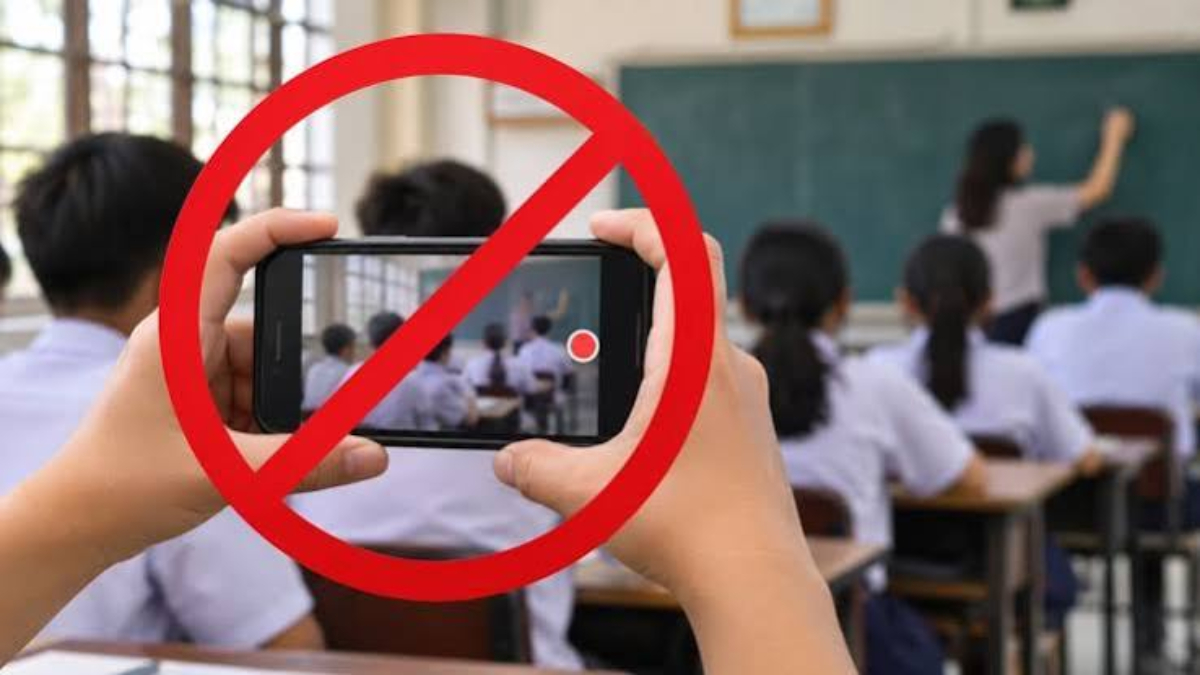
Mizoram student privacy has become a major priority for the state government, with the Directorate of School Education directing schools to avoid indiscriminate filming and photographing students on campus. The directive, issued on October 26, warns against recording or sharing content that could cause embarrassment, humiliation or distress to children. The move aims to protect students’ dignity, personal information and overall well-being amid growing concerns over the misuse of social media.
The circular instructs schools across Mizoram to exercise greater caution when capturing and publishing photographs and videos involving students. It also highlights the importance of parental consent, responsible digital practices and compliance with existing child protection laws.
Mizoram Issues Fresh Guidelines on Filming Students
According to the Directorate’s circular, filming students inside classrooms and other areas of school premises should generally be avoided. However, certain exceptions have been permitted for school functions, co-curricular and extracurricular activities, as well as legitimate educational activities.
The directive comes amid increasing concerns about photographs and videos of children being circulated online without adequate consideration of their privacy or consent.
Platforms such as Facebook, Instagram, WhatsApp, YouTube, X and Threads have made sharing photographs and videos easier. However, the authorities have expressed concern that content originally captured for school-related purposes could reach wider audiences and potentially expose children to unwanted attention.
The Directorate has particularly cautioned against recording students in situations that could cause embarrassment, humiliation or emotional distress.
The guidelines underline that protecting Mizoram student privacy must remain a responsibility of school authorities, teachers and other staff members.
Parental Consent Made Important Under Data Protection Rules
The circular refers to the Digital Personal Data Protection Act, 2023, and the Digital Personal Data Protection Rules, 2025, while emphasising the importance of protecting children’s personal information.
It states that verifiable consent from a parent or lawful guardian must be obtained before processing the personal data of children below 18 years of age, including identifiable photographs and videos.
However, the applicability of the relevant provisions remains subject to their commencement, implementation and applicable exemptions under the law.
Schools have been instructed to ensure that students’ photographs, videos and other personal information are not collected, used or circulated without proper authorisation and compliance with applicable legal requirements.
The emphasis on consent is intended to prevent the unauthorised use of children’s images and ensure that parents and guardians have an appropriate role in decisions involving their children’s personal information.
Staff Warned Against Repeated Social Media Posts
Another important aspect of the directive concerns the online activities of teaching and non-teaching staff.
The Directorate has asked school employees to refrain from repeatedly posting photographs and videos that focus on individual students on social media platforms.
Certain exceptions have been recognised, including content highlighting students’ achievements, their participation in official programmes and specific school activities. Photographs and videos required for official documentation and reports may also be shared where appropriate.
Teachers have additionally been advised to exercise caution when publishing school-related content through personal or official social media accounts.
The circular makes it clear that material capable of damaging a school’s reputation, bringing its uniform into disrepute or compromising the dignity and personal well-being of students and staff should not be circulated.
These instructions seek to establish clearer boundaries between legitimate school communication and unnecessary exposure of children online.
Legal Action Possible for Violations
The Directorate has also warned that violations amounting to offences could invite legal action under existing legislation.
The circular refers to the Information Technology Act, 2000, and the Protection of Children from Sexual Offences (POCSO) Act, 2012.
It specifically mentions Section 23 of the POCSO Act, which deals with restrictions on the disclosure of a child’s identity in cases covered by the legislation.
Additionally, the circular refers to Sections 351 and 356 of the Bharatiya Nyaya Sanhita, 2023, concerning criminal intimidation and defamation, respectively.
These provisions highlight the potential legal consequences of sharing content that violates applicable laws or causes harm to individuals.
The warning reinforces the need for schools and their employees to understand their responsibilities when handling photographs, videos and other sensitive information involving minors.
Schools Asked to Regulate Electronic Devices
Beyond restrictions on filming, the Directorate has directed schools to introduce written policies governing students’ use of electronic devices on campus.
The proposed policies will cover mobile phones, smartwatches, tablets and other electronic gadgets.
Schools may allow exceptions in genuine and specific circumstances. However, such use must receive prior approval and remain under the direct supervision of designated teachers or staff members.
The directive also calls for greater awareness among students about responsible social media behaviour, digital footprints and the possible consequences of sharing information online.
Educational institutions are expected to help children understand that online activities can have lasting effects, particularly when personal photographs and videos are shared beyond their intended audience.
Protecting Children’s Dignity in the Digital Age
Mizoram’s latest directive reflects growing concerns about children’s safety and personal information in an increasingly connected environment. Schools remain important spaces for learning, development and social interaction, making the protection of students’ dignity essential.
By introducing clearer restrictions on filming, strengthening consent requirements and discouraging unnecessary social media exposure, the state education authorities aim to encourage more responsible digital practices.
The emphasis on Mizoram student privacy also places greater accountability on teachers, school administrators and other employees who handle children’s personal information. Effective implementation will depend on schools adopting clear policies and ensuring that students’ rights remain protected during both academic and extracurricular activities.
As digital communication becomes an increasingly common part of school life, the directive sends a clear message: documenting educational activities should never come at the cost of a child’s privacy, dignity or emotional well-being.
Tripura Rubber Processing Hubs Aim to Strengthen Farmers’ Earnings