

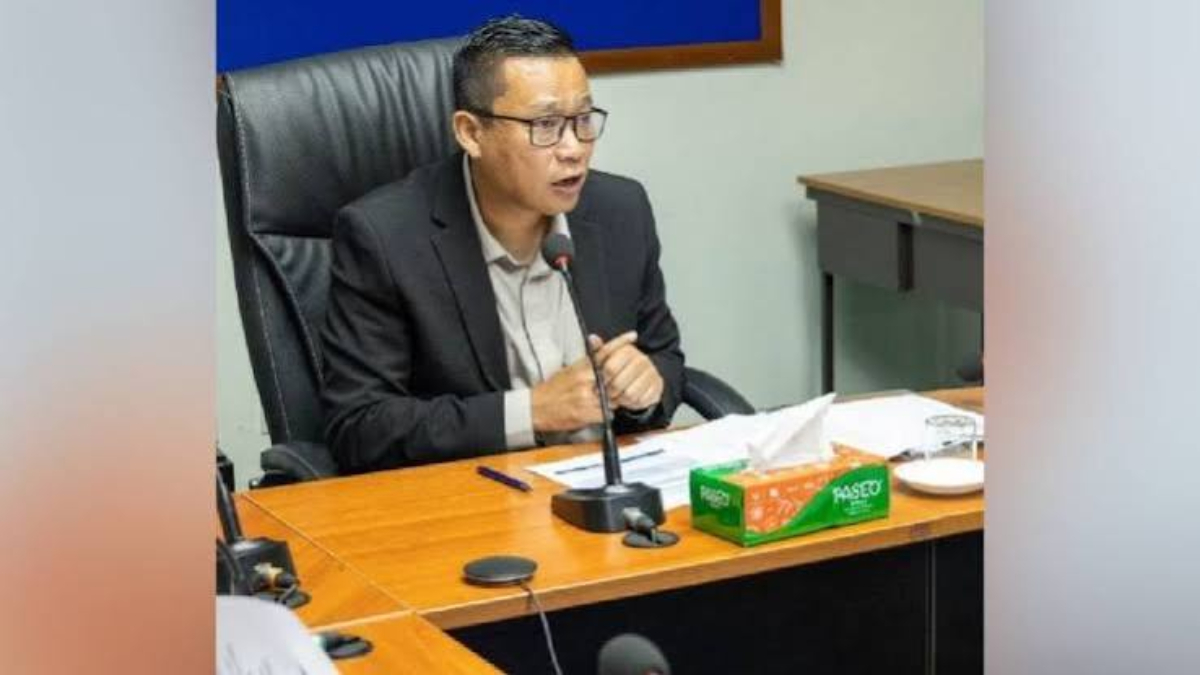
Northeast unity is essential for unlocking the region’s vast potential, Mizoram Tourism Minister Lalnghinglova Hmar said while calling for stronger cooperation and collective efforts among the northeastern states. Addressing the second day of the Seven Sisters’ Cultural Meet 2026 in Mizoram on November 7, the minister said the region could achieve far greater progress by working together with a common vision. He emphasised that despite differences in culture, traditions and identities, the northeastern states share strong historical and geographical connections that should strengthen their collective identity.
Mizoram Minister Calls for Stronger Northeast Unity
Speaking at the cultural gathering held at Zokhua, a traditional Mizo village in Falkawn near Aizawl, Hmar highlighted the importance of cooperation among the eight northeastern states.
He said individual states had achieved significant accomplishments through their respective efforts. However, he maintained that coordinated action and shared objectives could create opportunities that would be difficult for individual states to achieve independently.
According to the minister, the region has considerable potential, and stronger partnerships could help translate that potential into meaningful progress.
His remarks came at a gathering that brought together representatives from across the Northeast to celebrate the region’s cultural richness and diversity.
Hmar also stressed that differences in language, traditions and cultural practices should never become obstacles to cooperation. Instead, these distinctions should be recognised as important elements of the region’s collective strength.
Minister Rejects Distinction Between India and Northeast India
One of the significant aspects of Hmar’s address was his disagreement with the tendency to distinguish between India and Northeast India.
Emphasising the region’s place within the country, the minister said, “We are all one and the same country.”
He underlined that the northeastern states are an integral part of India and that their distinct cultural identities do not separate them from the broader national identity.
The minister pointed to the geographical and historical connections shared by the states, noting that these common links provide a strong foundation for regional solidarity.
He also highlighted India’s strength in accommodating different communities, languages and traditions while maintaining national unity.
His statement reinforced the importance of recognising the Northeast as an essential part of India’s social, cultural and national fabric.
Seven Sisters’ Cultural Meet 2026 Celebrates Regional Heritage
The second day of the Seven Sisters’ Cultural Meet 2026 was organised at Zokhua in Falkawn, near Aizawl, on Saturday, November 7.
The two-day event was held under the theme Unity in Diversity: The Northeast Symphony at the initiative of the Ministry of Tribal Affairs.
The first day’s programme took place on Friday at the Tribal Research Institute in Kelsih, near Aizawl. The gathering subsequently continued at Zokhua, where participants experienced traditional Mizo cultural heritage.
Representatives from all eight northeastern states participated in the cultural programme. These included Arunachal Pradesh, Assam, Manipur, Meghalaya, Mizoram, Nagaland, Tripura and Sikkim.
Each participating state presented its traditional cultural dances, offering visitors an opportunity to experience the region’s diverse artistic expressions.
The performances highlighted the different cultural identities that make the Northeast distinctive while demonstrating the shared heritage that connects its communities.
The event also provided a platform for representatives to interact, exchange experiences and develop a better understanding of traditions across state boundaries.
Cultural Exchange Can Strengthen Regional Cooperation
Welcoming representatives from the different northeastern states, Hmar expressed happiness over their participation and thanked them for being part of the cultural gathering.
He also invited the participants to visit Mizoram again, underlining the importance of maintaining connections beyond the event.
The minister encouraged visitors to remain open to the different cultural traditions showcased during the programme. He urged them to take their experiences back to their respective states and share what they had learned with their communities.
Such exchanges can help promote mutual understanding, preserve traditional practices and strengthen relationships among people from different parts of the region.
Cultural programmes also provide opportunities for younger generations to learn about the traditions and histories of neighbouring states. This can help build stronger connections and encourage greater appreciation of the Northeast’s shared heritage.
The gathering demonstrated how cultural engagement can complement broader efforts towards Northeast unity, cooperation and regional development.
Officials Attend the Cultural Gathering
The minister was accompanied by senior government officials, including Department of Personnel and Administrative Reforms (DP&AR) Secretary YLN Reddy and Director of Art and Culture Carol V.L.M.S. Dawngkimi.
Their presence reflected the participation of different government departments in supporting cultural initiatives and promoting the state’s heritage.
The gathering also highlighted Mizoram’s efforts to welcome visitors from neighbouring states and provide opportunities for cultural interaction.
By bringing together representatives from across the region, the programme offered a platform to celebrate traditional art forms while encouraging stronger relationships between communities.
Regional Cooperation Holds Key to Future Development
Hmar’s appeal for greater cooperation also carries significance for the broader development of Northeast India. The region has considerable opportunities in tourism, cultural preservation and other sectors that can benefit from coordinated efforts.
Tourism, in particular, offers scope for collaboration through cultural festivals, shared promotional activities and improved connections between destinations across state boundaries.
Mizoram has also been pursuing partnerships to strengthen its tourism sector. In August 2026, the state government signed a memorandum of understanding with the Central Committee of the Young Mizo Association to improve cooperation in tourism promotion. Hmar had highlighted the need for government and civil society organisations to work together as tourist arrivals increased.
Such initiatives demonstrate how cooperation can extend beyond cultural gatherings and contribute to practical development objectives.
Stronger coordination among northeastern states could also help promote regional attractions, encourage visitors to explore multiple destinations and create opportunities for local communities.
The minister’s message therefore goes beyond the celebration of cultural diversity. It highlights the importance of turning shared heritage and regional connections into stronger partnerships.
As representatives return to their respective states after the cultural meet, the exchange of experiences could help maintain the relationships established during the programme.
Hmar’s remarks have once again brought attention to the importance of working together rather than pursuing development in isolation. With its diverse traditions, shared history and considerable potential, the Northeast has opportunities to strengthen its position through cooperation. The message from Mizoram is clear: collective determination and Northeast unity can help the region move towards greater achievements while preserving the identities that make it unique.
Mizoram Winter Festival to Bring Major December Tourism Boost to Aizawl