


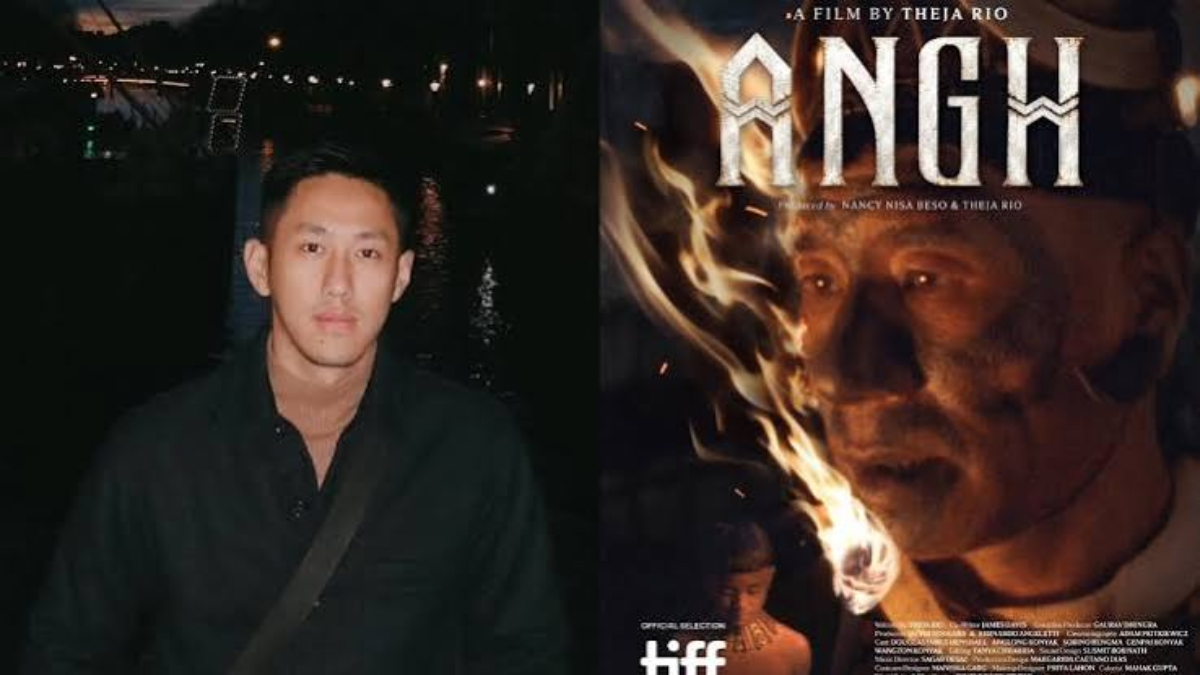
Angh Oscar journey has entered a significant new phase after Nagaland filmmaker Theja Rio’s debut feature won the Platform Prize at the 2026 Toronto International Film Festival (TIFF). The award made the film eligible for consideration in the International Feature Film category at the 2027 Academy Awards, opening an independent route to the Oscars even though it was not selected as India’s official submission.
For Rio, however, the film’s international recognition is closely tied to a larger purpose: presenting Naga culture through voices from within the community. “We don’t simply want to be showcased; we want to be understood as a culture, as a society,” he said, stressing the need for more filmmakers from Nagaland to tell their own stories.
Angh Oscar journey begins with a story from Nagaland
Set in 1963, Angh follows an ageing Konyak village chief and his son, who are among the last members of their community holding on to an ancestral faith as Christianity and social change reshape their surroundings. The film is primarily rooted in Konyak culture and features Indigenous actors from Nagaland alongside BAFTA-winning Scottish actor Douglas Henshall.
The feature grew from Rio’s short film of the same name. The short was made in 2019 and later travelled to international festivals, giving Rio the confidence to expand the story into a feature. He wrote the first draft in 2021, while production began in 2024 after he completed his studies at the National Film and Television School in the United Kingdom.
The filmmaker has said the feature gave him greater space to explore the relationship between the father and son, the Konyak community and the historical changes affecting Nagaland during the period.
Why the Konyak community mattered
Rio worked closely with members of the Konyak community while developing and shooting the film. Language experts, researchers and cultural advisers helped the production team understand traditions, clothing and historical details. Community members also helped construct village sets, while local actors participated in workshops before filming.
The film was shot on 16mm, a creative decision Rio connected to memory and archival images of Nagaland. He said the visual texture was partly inspired by photographs and footage made by missionaries and outsiders during the period depicted in the film.
The TIFF win changed the Angh Oscar journey
Angh was the only Indian film selected for TIFF’s Platform Competition in 2026. Its victory on September 20 became a landmark moment because the film was the first from India to win the Platform Prize. Under new Academy eligibility rules, winning the non-English-language Platform Prize provides a direct route to consideration in the International Feature Film category.
This means Angh does not need to be India’s official Oscar submission to enter consideration through this pathway. The Film Federation of India had selected the Marathi film Gondhal as India’s official entry for the 2027 Oscars, while Angh secured its separate eligibility through TIFF.
Rio has remained measured about what comes next. In a recent interview, he acknowledged that securing an Oscar nomination would be difficult, while expressing gratitude that a film spoken in a tribal language and made in an Indigenous region had attracted international attention.
Angh Oscar journey focuses on understanding, not spectacle
The filmmaker’s message has remained consistent since the TIFF victory. During his return to Nagaland, Rio said taking the film back home mattered to him more than the international award because the production was shot in Nagaland, used local people and drew heavily on community support.
The team is now preparing for an Oscar campaign in the United States. Producer Nancy Nisa Beso said the film is also expected to continue its international festival journey, with Asian and European premieres planned before a theatrical and eventual digital release. The team hopes to bring Angh to theatres in Nagaland around February or March 2027.
If theatre access remains limited, the producers have discussed taking projectors across the state so audiences can watch the film locally. That plan reflects the wider intention behind the Angh Oscar journey: to connect global recognition with the people and place that inspired the story.
A new chapter for Naga cinema
Theja Rio and his team were formally felicitated by the Nagaland government in Kohima on September 30. Chief Minister Neiphiu Rio described the achievement as a moment of pride for Nagaland and highlighted the importance of authentic stories rooted in the state’s history, culture and people.
For Rio, the next stage is not only about awards. He hopes Angh encourages audiences to learn more about Nagaland and creates opportunities for more local filmmakers to tell their own stories. As the Angh Oscar journey continues, the film’s international campaign is therefore unfolding alongside a more local ambition: ensuring Naga stories are understood on their own terms.
Sikkim Arts and Literature Festival 2026 to Begin in Gangtok on October 28