


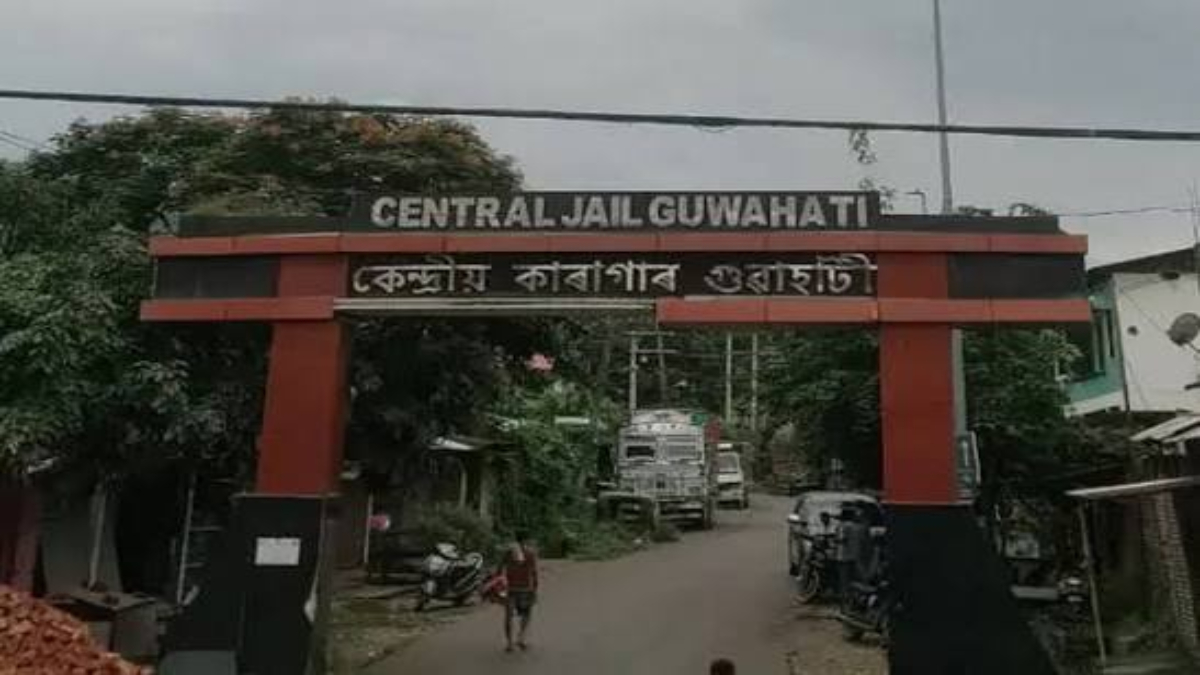
Guwahati jail HIV cases have raised fresh concerns over health screening, treatment and substance abuse inside Assam’s prison system after 38 inmates at Guwahati Central Jail reportedly tested positive for HIV during routine medical screening. Sources said 33 male and five female inmates were found to be HIV-positive, prompting the jail authorities to step up medical assessment and monitoring.
The development was reported on August 25, 2026, and has drawn attention to the health challenges faced by inmates, particularly those involved in cases related to narcotic drugs. The jail currently houses around 1,802 prisoners, including about 281 inmates facing cases under the Narcotic Drugs and Psychotropic Substances (NDPS) Act, according to reports.
Guwahati jail HIV cases emerge during screening
The detection of the cases followed routine health screening inside the high-security prison. According to sources cited in reports, the 38 inmates include 33 men and five women.
Authorities have not publicly established how the inmates contracted HIV. While a significant number of those who tested positive are reportedly linked to drug-related cases, officials have not confirmed that drug use inside the prison was responsible for the infections.
The distinction is important because HIV can be transmitted through several routes, including unprotected sexual contact, contaminated blood and the sharing of contaminated needles or other injecting equipment. A positive diagnosis alone does not establish when or where an infection occurred.
Further testing and medical evaluation are expected to provide authorities with a clearer picture of the inmates’ health needs.
Drug-related cases draw added attention
The Guwahati jail HIV cases have also renewed scrutiny of substance abuse and prison security.
Reports indicate that many of the affected inmates are facing NDPS-related cases. This has raised questions about the relationship between drug dependence, HIV prevention and access to treatment among prisoners.
However, there is no official confirmation that the inmates contracted HIV after entering the jail. The circumstances surrounding the infections remain under assessment.
The issue is particularly significant because Guwahati Central Jail has faced a separate controversy over alleged contraband supply earlier this year.
Earlier contraband case puts jail security under focus
On February 5, 2026, Guwahati Central Jail superintendent Debokamal Borah was arrested in connection with an alleged racket involving the supply of drugs and other prohibited items to inmates in exchange for bribes.
The case followed the arrests of Konkan Bora and Devajit Das, personnel of the 4th Assam Police Battalion deployed at the prison. They were accused of supplying marijuana and other intoxicants to inmates, with police reportedly recovering narcotics from their possession.
The investigation subsequently widened after allegations emerged that the superintendent may have been involved. The case brought renewed attention to the effectiveness of security checks and measures designed to prevent contraband from entering prisons.
The latest Guwahati jail HIV cases have therefore added a public health dimension to concerns surrounding substance use and prison management.
Treatment facilities already available
Assam has previously taken steps to improve HIV treatment access for prisoners.
In September 2022, the state inaugurated Anti-Retroviral Therapy (ART) dispensation centres at six central jails, including Guwahati, Silchar, Dibrugarh, Jorhat, Tezpur and Nagaon. The initiative was launched to make HIV medicines more accessible to infected inmates, who may face difficulties travelling to hospital-based ART centres because of security requirements.
The Guwahati jail also has access to Opioid Substitution Therapy (OST) services for injecting drug users. The programme is intended to support people dependent on opioids while reducing health risks associated with unsafe drug use.
These existing facilities could play an important role as authorities respond to the newly reported cases.
Screening remains key to prison healthcare
The Guwahati jail HIV cases underline the importance of regular and confidential health screening inside prisons. Early diagnosis allows people living with HIV to begin treatment and receive appropriate medical monitoring.
Assam has been running prison-based HIV intervention programmes for several years. A prison intervention project was launched at Guwahati Central Jail to expand HIV awareness, counselling, testing and prevention among inmates considered to be at higher risk.
Health officials and prison authorities may now need to assess whether additional screening, counselling and preventive services are required.
Focus shifts to continued medical care
The Guwahati jail HIV cases are expected to keep attention on the healthcare needs of inmates as authorities continue screening and assessment. Reports suggest the number could change as more prisoners are tested.
For prison health officials, the immediate priority will be ensuring that those diagnosed receive appropriate treatment and that other inmates have access to testing, counselling and reliable information about HIV prevention. At the same time, any conclusions about the source or timing of the infections will need to be based on medical evidence rather than assumptions.
The reported cases highlight the need for a balanced response that combines public health measures, access to treatment, substance-use support and effective prison security. With established ART and screening facilities already available in Assam’s jails, authorities have an existing framework to strengthen care for inmates living with HIV.
Sikkim Tourism wins major excellence award for sustainable travel