

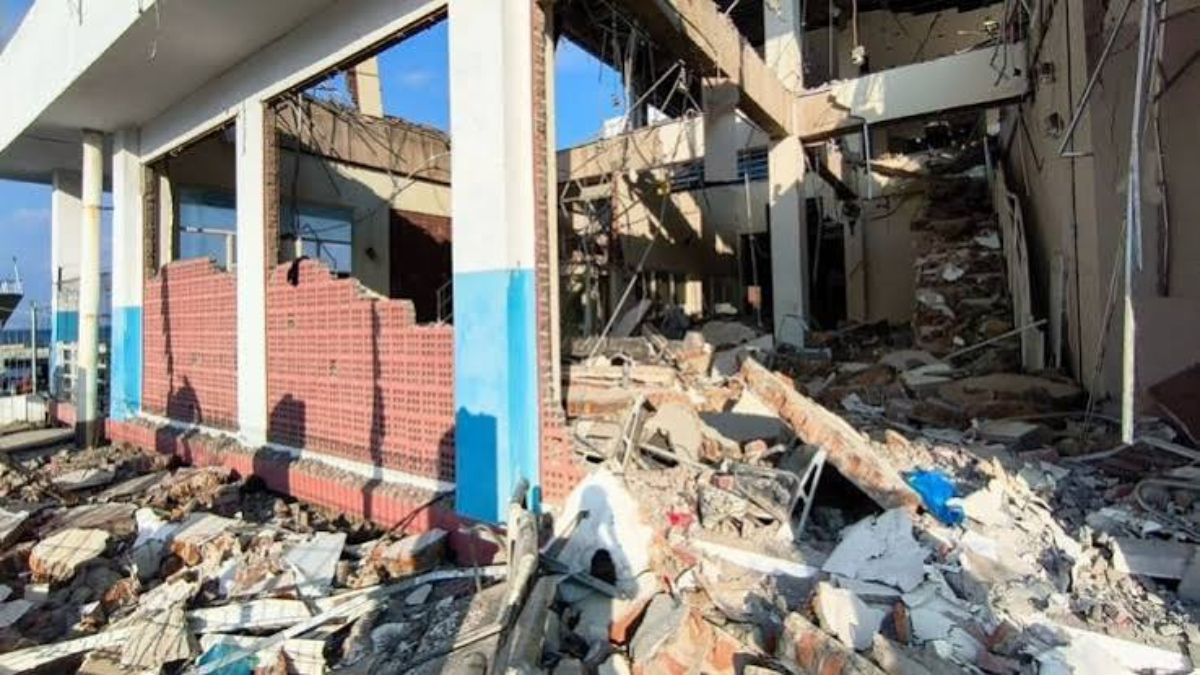
Indonesia earthquake activity intensified across eastern Indonesia after a powerful magnitude 7.7 quake struck off Flores, killing dozens, damaging buildings and triggering a series of strong tremors within hours. The initial death toll from the major earthquake was reported at 38, while later updates from Indonesian authorities raised the toll further as rescue teams reached badly affected areas.
The earthquake struck on Saturday in East Nusa Tenggara, with the epicentre located off the coast of Flores. The shallow and powerful quake caused landslides, collapsed buildings and widespread fear among residents. A temporary tsunami warning was also issued before being lifted after authorities determined that the immediate threat had passed.
Indonesia earthquake leaves widespread destruction
The magnitude 7.7 earthquake caused severe damage in several parts of East Nusa Tenggara, including areas around Nagekeo, Maumere and other communities on Flores. Homes, schools, health facilities and government buildings were among the structures damaged or destroyed.
Rescue operations were complicated by landslides and blocked roads. The Trans-Flores Highway, a key route connecting communities on the island, was also affected, making it difficult for emergency workers to reach isolated locations.
At least 2,000 residents were reported to have evacuated from Nagekeo as authorities assessed the damage and searched for people who could still be trapped beneath debris.
The scale of the disaster continued to become clearer as emergency teams moved into remote areas. Later reports said hundreds of homes had been destroyed or damaged and more than 5,000 people had moved into shelters or remained outdoors because of concerns about further shaking.
Third major tremor adds to fears
The major Indonesia earthquake was followed by other strong earthquakes within a short period, adding to anxiety among residents already dealing with destruction and aftershocks.
Reports indicated that three major earthquakes struck Indonesia within about 24 hours, accompanied by more than 230 aftershocks. Two strong tremors measuring around magnitude 6 were recorded shortly after the 7.7 event in the Flores region.
The repeated shaking prompted many people to remain outside their homes. Authorities urged residents in affected areas to remain alert because strong aftershocks can cause additional collapses in already weakened structures.
More than 235 aftershocks were recorded following the main quake, with one reaching magnitude 6.1. The continuing seismic activity made rescue and recovery efforts more challenging.
Tsunami warning lifted after Indonesia earthquake
The Indonesia earthquake also prompted a tsunami warning because of its offshore location and considerable strength. Small tsunami waves were observed, with reports later indicating that the highest recorded wave reached about 1.61 metres in Riung village.
The warning was eventually lifted after monitoring showed that there was no continuing major tsunami threat. However, residents were advised to stay cautious and follow instructions from disaster management authorities because further aftershocks remained possible.
The situation revived memories of previous deadly earthquakes and tsunamis in Indonesia, a country frequently exposed to seismic hazards because it lies along the Pacific Ring of Fire.
Rescue teams face difficult conditions
Emergency personnel have been working to clear roads, restore communications and provide medical assistance to affected communities. Power outages also disrupted essential services in some locations, while damaged infrastructure slowed the movement of relief supplies.
The Indonesian government has mobilised military and police personnel to support rescue and relief operations. Thousands of people have been moved to temporary shelters, while many others have chosen to stay outdoors because of fears that damaged buildings could collapse during another strong tremor.
Authorities are also assessing whether to declare a provincial emergency to speed up the distribution of assistance and resources.
Indonesia remains highly vulnerable to earthquakes
The latest Indonesia earthquake highlights the country’s long-standing exposure to seismic disasters. Indonesia sits along the Pacific Ring of Fire, where several tectonic plates meet and generate frequent earthquakes and volcanic activity.
Flores has experienced destructive earthquakes before. A major earthquake in 1992 caused severe damage and tsunami waves across parts of the island, demonstrating the dangers posed by powerful offshore earthquakes in the region.
For communities affected by the latest disaster, the immediate priority remains finding missing people, treating the injured and providing safe shelter. Although the initial death toll was reported at 38, subsequent assessments pushed the number higher, underscoring the continuing nature of the emergency.
As rescue operations continue, authorities face the difficult task of reaching isolated communities while managing continuing aftershocks. The disaster has once again highlighted the importance of earthquake-resistant construction, early-warning systems and rapid emergency response in one of the world’s most seismically active countries.