

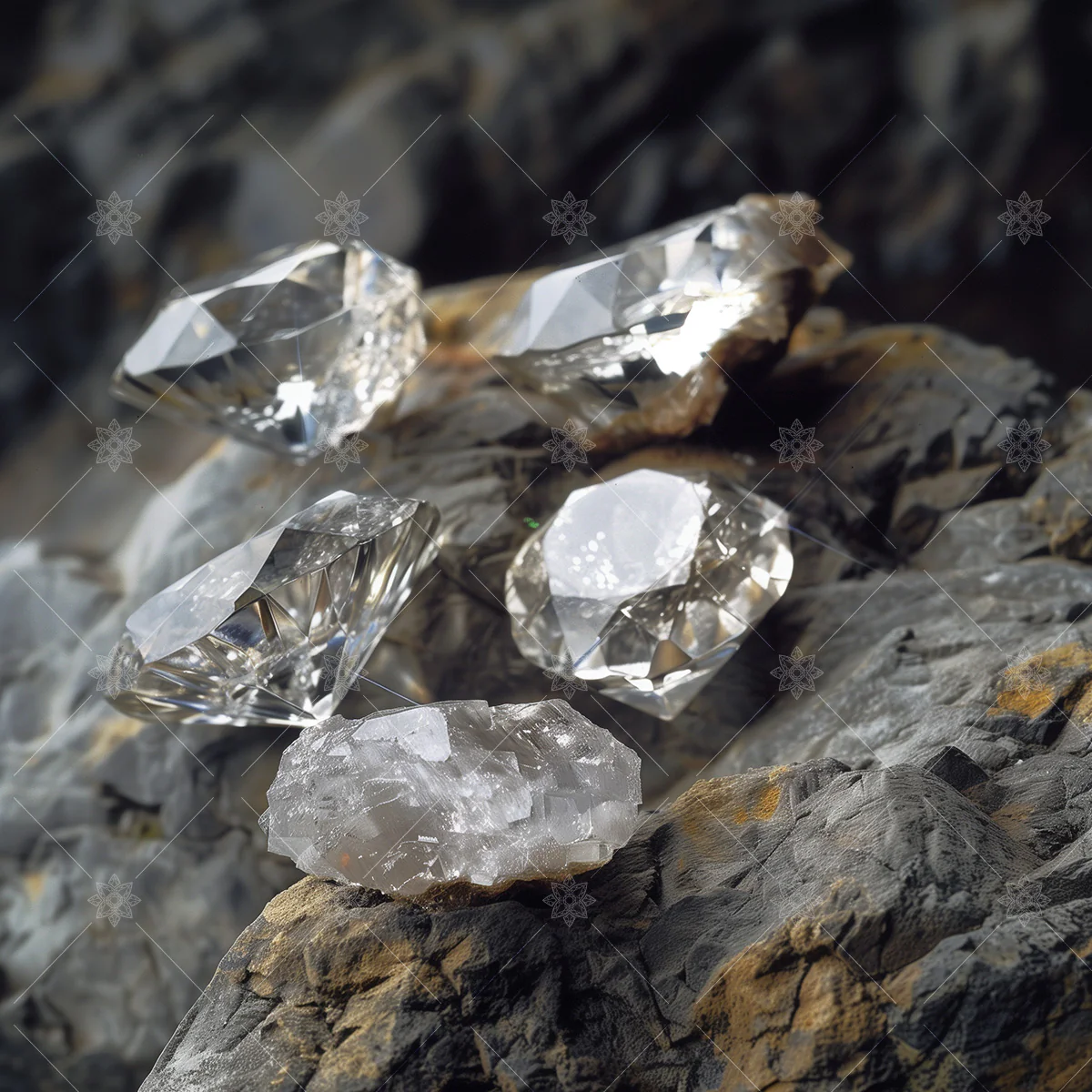
Diamonds have long been associated with glamour, romance, and status, captivating people for centuries with their beauty and rarity. The allure of diamonds dates back to ancient times when they were thought to be fragments of stars fallen to earth or the tears of gods. Over time, they have taken on various meanings, but their desirability has remained constant.
In late August, Lucara Diamond Corp made headlines by discovering a 2,492-carat diamond in Botswana. This epic find stunned the world, reminding everyone why diamonds continue to fascinate. If legendary actress Elizabeth Taylor were still with us, she would likely have something memorable to say about the discovery. Taylor, who famously quipped, “big girls need big diamonds,” was known for her lavish jewelry collection. Among her many prized possessions was the iconic 69-carat Taylor-Burton diamond, a stone more than 60 times larger than the average engagement ring diamond in the U.S. today.
So, what is it about diamonds that has held humanity’s attention for so long? Their unique properties are one reason. Diamonds are the hardest natural substance on earth and have the highest thermal conductivity of any material. Their ability to reflect and refract light makes them appear to sparkle like no other gemstone. It’s these qualities that make diamonds so desirable, not only as symbols of love and wealth but also in industrial applications.
However, the desirability of diamonds goes beyond their physical properties. Diamonds carry a cultural significance that elevates them above other gemstones. They are deeply entwined with the idea of eternal love, thanks to one of the most successful marketing campaigns in history. In 1947, De Beers, a major player in the diamond industry, coined the slogan “A Diamond is Forever,” cementing the diamond’s place as the ultimate symbol of love and commitment. This association with romantic love has made diamonds the preferred choice for engagement rings in many parts of the world.
Beyond love, diamonds have also become symbols of status and power. Historically, they were worn by royalty and the elite, with the biggest and most flawless stones adorning crowns, scepters, and other regalia. Even today, owning a significant diamond is often seen as a mark of wealth and prestige. Celebrities flaunt them on red carpets, and business moguls purchase them as investments.
But there is also a dark side to this fascination with diamonds. The diamond industry has faced scrutiny for its role in fueling conflicts, particularly in Africa. “Blood diamonds,” or diamonds mined in war zones and sold to finance armed conflict, became a global issue in the late 1990s. While efforts like the Kimberley Process have been put in place to reduce the trade in conflict diamonds, the industry still grapples with ethical concerns.
Moreover, the environmental impact of diamond mining cannot be overlooked. Extracting diamonds from the earth is an energy-intensive process that can lead to significant ecological damage. In response to these concerns, the rise of lab-grown diamonds has introduced a new chapter in the story of diamond desirability. Lab-grown diamonds are chemically identical to natural diamonds and are often more affordable, ethical, and environmentally friendly. While some purists still prefer the “real” thing, lab-grown diamonds are increasingly popular, particularly among younger generations.
As the diamond industry evolves, so does the meaning behind these stones. They are no longer just about love or wealth, but also about responsibility and sustainability. Yet, despite the controversies and changes in public perception, diamonds remain one of the most coveted gemstones in the world. Whether found deep within the earth or created in a lab, their brilliance continues to captivate.
Diamonds are multifaceted not just in their cut but in the emotions and values they evoke. From ancient symbols of divine power to modern markers of love and luxury, diamonds have a long and complicated history. As long as people continue to be drawn to their beauty, their desirability is likely to endure, even as the way we think about them changes.
They have also held spiritual and mystical significance in various cultures throughout history. In ancient India, diamonds were considered talismans that could ward off evil and bring good fortune to their owners. The Greeks believed that diamonds were the tears of gods, while the Romans thought they were splinters from fallen stars. Across different civilizations, diamonds were revered not just for their beauty but also for their supposed supernatural powers, further enhancing their allure and desirability.
During the Middle Ages in Europe, diamonds became associated with invincibility and strength, often worn by kings and knights as symbols of courage. These stones were believed to possess magical qualities, providing protection in battle and ensuring victory. This connection to power and strength contributed to the belief that only the elite were worthy of wearing such a precious gem. Over time, diamonds became synonymous with royalty, and they were incorporated into crowns, swords, and jewelry as symbols of divine right and unchallengeable authority.
Fast forward to the modern era, diamonds remain a potent symbol of power and exclusivity. The “Hope Diamond,” one of the most famous diamonds in history, exemplifies the mystique surrounding large and flawless stones. With a legacy tied to both immense wealth and superstition, the Hope Diamond has passed through royal hands, museums, and private collections, continuously attracting attention due to its size, beauty, and the legends of misfortune that surround it.
The increasing awareness of ethical issues related to diamond mining has brought about a shift in consumer behavior. While traditional diamonds still dominate the luxury market, the growing popularity of lab-grown diamonds speaks to a changing demographic of buyers. These diamonds, which are created using advanced technology, are often indistinguishable from natural diamonds in terms of appearance and structure. However, they come with the added benefits of being conflict-free and more environmentally sustainable.
As younger generations become more conscious of the ethical implications of their purchases, the demand for lab-grown diamonds has steadily risen. This shift reflects a broader trend in consumer preferences toward transparency and responsibility in the luxury market. People want to enjoy the beauty of diamonds without the guilt that might come from the potential harm caused by traditional mining practices.
The cultural meaning of diamonds is also evolving, with many now viewing them as a more personalized and flexible symbol. Rather than adhering to traditional expectations, people are embracing diamonds in a variety of settings, from casual, everyday pieces to custom-made jewelry that reflects individual style. Diamonds have become less about fitting into societal norms and more about expressing personal identity.
Despite these shifts, the fundamental allure of diamonds remains intact. Their extraordinary durability and brilliance continue to make them symbols of everlasting love and commitment. Whether passed down as family heirlooms or bought for a special occasion, diamonds hold a special place in human hearts and history. They are a reminder of life’s most precious moments and have come to represent the timeless nature of true beauty.
As the story of diamonds continues to unfold, their multifaceted legacy will likely evolve with future generations. But one thing is clear—diamonds, with all their physical and symbolic properties, will always captivate those who admire rarity, luxury, and the brilliance of nature’s wonders.