

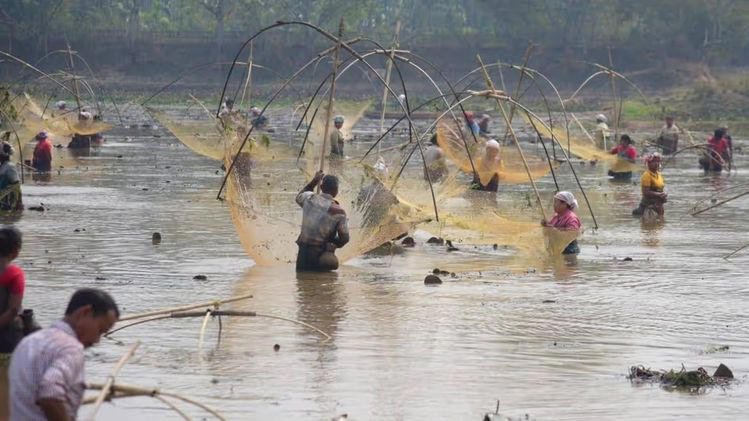
Project SWIFT is set to revive 71 beels, or natural wetlands, across Assam in a major initiative aimed at restoring aquatic ecosystems, increasing fish production and improving the livelihoods of communities dependent on these water bodies.
The project is expected to focus on the restoration and sustainable management of selected beels, which play an important role in Assam’s ecology, fisheries sector and rural economy. By improving the condition and productivity of these wetlands, the initiative seeks to create long-term benefits for local fishers and communities.
Beels are a key part of Assam’s riverine landscape and support diverse aquatic life. They also provide an important source of income and food for thousands of people involved in fishing and related activities.
Project SWIFT to Restore 71 Beels
Under Project SWIFT, 71 beels across different parts of Assam are expected to undergo restoration and development measures aimed at improving their ecological and economic potential.
The initiative will focus on strengthening the management of wetland resources and improving conditions for sustainable fish production. Restoration activities are expected to address challenges affecting the productivity and health of these water bodies.
Improved management could help increase the availability of fish and strengthen the fisheries economy in communities located around the selected beels.
The project is also expected to encourage sustainable practices to ensure that the benefits of wetland restoration continue over the long term.
Boosting Fish Production in Assam
Increasing fish production is expected to be one of the major objectives of Project SWIFT.
Assam has a significant fisheries sector, with wetlands and other inland water bodies providing important opportunities for fish production. However, factors such as environmental degradation, changes in water systems and inadequate management can affect the productivity of natural water bodies.
The restoration of 71 beels could help improve the conditions required for fish breeding and growth while supporting higher levels of sustainable production.
A stronger fisheries sector could also help improve the availability of locally produced fish and reduce dependence on supplies from outside the state.
Focus on Livelihoods of Fishing Communities
The project is expected to provide economic benefits to communities that depend on beels for their livelihoods.
Fishers and other local stakeholders are likely to play an important role in the management and sustainable use of the restored wetlands. Higher fish productivity could translate into improved income opportunities for families associated with the fisheries sector.
The initiative also highlights the connection between environmental restoration and rural livelihoods. Protecting and improving natural ecosystems can generate economic opportunities when communities are involved in their sustainable management.
The project could therefore support both ecological conservation and economic development in wetland-dependent communities.
Wetland Restoration to Support Biodiversity
Beyond fisheries, the restoration of beels is expected to contribute to the conservation of Assam’s wetland ecosystems.
Natural wetlands support a wide range of fish, birds, plants and other aquatic species. Healthy wetlands also contribute to water storage and the overall ecological balance of surrounding areas.
Restoration measures under Project SWIFT could help improve habitat conditions and support biodiversity in and around the selected water bodies.
The initiative is expected to adopt an approach that balances increased economic activity with the need to protect the ecological health of the wetlands.
Sustainable Management Key to Long-Term Success
The long-term success of Project SWIFT will depend on effective implementation and sustainable management of the restored beels.
Regular monitoring, community participation and scientific management could play important roles in maintaining the productivity and ecological health of the wetlands.
Local communities are expected to benefit from greater involvement in the management of water resources, while government agencies and other stakeholders may work to ensure that restoration efforts deliver lasting results.
A focus on sustainability could help prevent the renewed degradation of restored wetlands and ensure that they continue to support fish production and livelihoods.
Major Step for Assam’s Fisheries and Wetlands
The revival of 71 beels under Project SWIFT represents a significant initiative for Assam’s fisheries sector and wetland conservation efforts.
By combining ecological restoration with livelihood generation, the project aims to strengthen the economic potential of natural water bodies while protecting the ecosystems that support them.
The initiative could benefit fishers, local communities and the wider fisheries economy if implemented effectively.
As Project SWIFT moves forward, attention will focus on the progress of restoration work across the selected beels and its impact on fish production, biodiversity and community livelihoods. The project is expected to provide a model for linking wetland conservation with sustainable economic development and strengthening the role of Assam’s natural water bodies in supporting rural communities.