


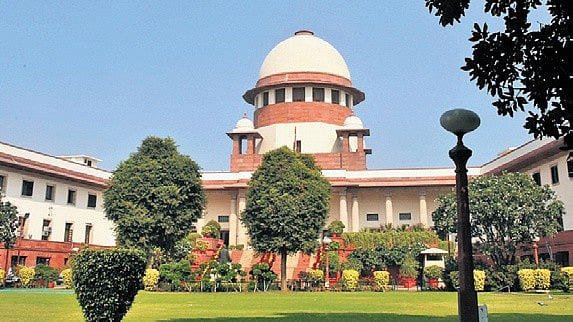
The Tamil Nadu government has withdrawn a 2003 Assembly resolution that had become the subject of proceedings before the Supreme Court, potentially affecting the court’s consideration of the case.
The development could lead to questions over whether the legal dispute still survives in its original form now that the resolution at the centre of the matter has been withdrawn.
The Supreme Court’s decision on whether to proceed with the case is therefore expected to depend on the legal consequences of the withdrawal and whether any issues remain for adjudication.
Why the Resolution Was Significant
The 2003 resolution had been passed by the Tamil Nadu Legislative Assembly and subsequently became part of a legal dispute that eventually reached the Supreme Court.
Assembly resolutions can have political and administrative significance, but their legal effect can vary depending on their nature and the circumstances in which they are adopted.
With the resolution now withdrawn, the central question before the court could change considerably. If the original resolution no longer remains in force, the parties may have to explain whether there is still a live dispute requiring judicial intervention.
Supreme Court May Consider Whether Case Has Become Infructuous
The withdrawal could prompt the Supreme Court to examine whether the proceedings have become infructuous.
A matter is generally considered infructuous when the circumstances that gave rise to the litigation have changed in such a way that the court’s decision would no longer have a practical effect.
However, withdrawal of a disputed decision does not automatically mean that every related legal question disappears. The court may still examine whether any consequential issues, legal rights or outstanding questions require determination.
The bench hearing the matter will therefore have to consider the implications of the withdrawal before deciding on the future course of the case.
Legal Proceedings Under Focus
The matter had drawn attention because of the constitutional and legal questions surrounding the Assembly resolution.
The Supreme Court’s proceedings were expected to examine the dispute within the relevant constitutional framework. The withdrawal has now introduced a new development that could alter the scope of the litigation.
The parties involved may be required to place their positions before the court and explain whether any substantive issue remains after the resolution has been withdrawn.
Tamil Nadu Government’s Decision
The decision to withdraw the 2003 resolution changes the immediate political and legal context surrounding the dispute.
For the Tamil Nadu government, withdrawing the resolution removes the particular legislative action that had been challenged or questioned. For the opposing side, however, the issue of whether any consequences arising from the resolution continue could remain relevant.
The Supreme Court may therefore have to determine whether the withdrawal completely resolves the dispute or whether certain legal questions survive independently.
What Happens Next?
The next step will depend on how the Supreme Court treats the development. If the court concludes that there is no longer an effective dispute, it could decline to continue hearing the matter on its original basis.
Alternatively, if the bench finds that questions arising from the resolution remain legally relevant, proceedings could continue despite its withdrawal.
The development therefore puts the focus on the distinction between withdrawing a legislative resolution and resolving all legal consequences associated with it.
A Significant Development in the Case
The withdrawal of the 2003 Tamil Nadu Assembly resolution represents a significant change in the case before the Supreme Court. It could potentially bring the litigation to an end, but that will ultimately depend on the court’s assessment of whether any live legal issue remains.
The matter is now likely to be closely watched for the Supreme Court’s response, particularly on whether the withdrawal makes further judicial examination unnecessary or whether the broader constitutional questions involved still require consideration.