

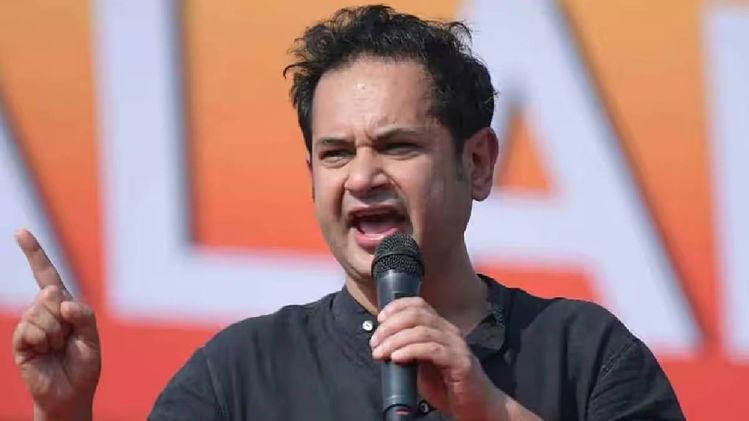
Founder of Tipra Motha Party and royal scion Pradyot Manikya Debbarma has stated that the Chief Minister of Tripura in 2028 will come from an indigenous community. His remark reflects the growing political demand for stronger representation of indigenous people in the state’s leadership.
Speaking during a public event, Debbarma emphasized that the aspirations of indigenous communities must be recognized in Tripura’s political future. According to him, the time has come for leadership that directly represents the interests and identity of the region’s original communities.
Read More: Tripura Transport Minister Reviews Key Infrastructure Projects
Statement Highlights Demand for Indigenous Leadership
Pradyot Manikya Debbarma has consistently advocated for greater political and constitutional protections for indigenous communities in Tripura. His latest statement about the 2028 chief ministership underscores the long-standing demand for stronger representation in the state’s governance.
During his address, Debbarma said that the political landscape in Tripura is gradually changing. He argued that indigenous voices are becoming more organized and influential, which could shape future electoral outcomes.
Furthermore, he stressed that leadership from indigenous communities would ensure that issues related to land rights, cultural identity, and development receive proper attention.
Role of Tipra Motha in State Politics
The Tipra Motha Party has emerged as an influential political force in Tripura in recent years. Founded by Pradyot Manikya Debbarma, the party focuses on protecting the rights and interests of indigenous communities.
The party’s political agenda includes demands for greater autonomy and constitutional safeguards for indigenous populations. Consequently, Tipra Motha has gained support among many voters who believe these issues require stronger political representation.
Through electoral participation and public campaigns, the party has expanded its influence in the state’s political discussions. Debbarma’s statement about the 2028 chief ministership reflects the party’s long-term vision for Tripura’s political future.
Changing Political Dynamics in Tripura
Tripura’s political environment has undergone significant changes over the past decade. Various political parties now compete for support among different communities, making representation an important topic in electoral debates.
Indigenous communities play a crucial role in the state’s social and political structure. Therefore, their political aspirations often influence discussions about governance, development policies, and regional identity.
Debbarma’s remarks suggest that upcoming elections may witness stronger mobilization around these issues. As a result, the question of leadership representation could become a key theme in future political campaigns.
Focus on Indigenous Rights and Development
In his speech, Pradyot Manikya Debbarma also highlighted the need for inclusive development in Tripura. He emphasized that economic progress should benefit all communities while preserving the cultural heritage of indigenous groups.
According to him, development initiatives must address issues such as education, healthcare, employment, and infrastructure in indigenous areas. Ensuring equitable growth, he argued, remains essential for the state’s long-term stability.
Moreover, Debbarma called for dialogue between communities to strengthen social harmony. While advocating for indigenous leadership, he also emphasized the importance of cooperation and unity among all residents of the state.
Political Reactions and Public Response
Debbarma’s statement has generated discussion among political observers and community leaders. Some see it as a reflection of the growing confidence among indigenous political movements in Tripura.
Supporters believe that leadership from indigenous communities could bring greater attention to long-standing concerns regarding land rights, identity, and economic opportunities. They argue that such representation would help ensure balanced development across the state.
However, political analysts note that Tripura’s elections involve complex alliances and multi-community support. Therefore, future electoral outcomes will depend on broader political strategies and coalition dynamics.
Looking Ahead to the 2028 Political Landscape
Although the next assembly elections are still some years away, discussions about future leadership have already begun shaping political narratives. Debbarma’s remarks indicate that the demand for indigenous representation will remain an important issue in the state’s politics.
As political parties prepare for future electoral contests, questions related to identity, governance, and development are likely to play a major role. Consequently, debates around leadership representation could intensify in the coming years.
Observers believe that Tripura’s evolving political landscape will continue to reflect the aspirations of its diverse communities.
Conclusion
Pradyot Manikya Debbarma’s statement that the 2028 Chief Minister of Tripura will come from an indigenous community highlights a growing demand for stronger representation in the state’s political leadership. The remark underscores the broader political conversation surrounding indigenous rights, governance, and identity in Tripura.
As the state moves toward future elections, discussions about inclusive leadership and balanced development are expected to remain central to political discourse. Whether these aspirations translate into electoral outcomes will depend on how parties engage with the concerns and expectations of Tripura’s diverse population.
Read More: Atmanirbhar Asom: CM Sarma Disburses Rs 131 Crore in Second Tranche