

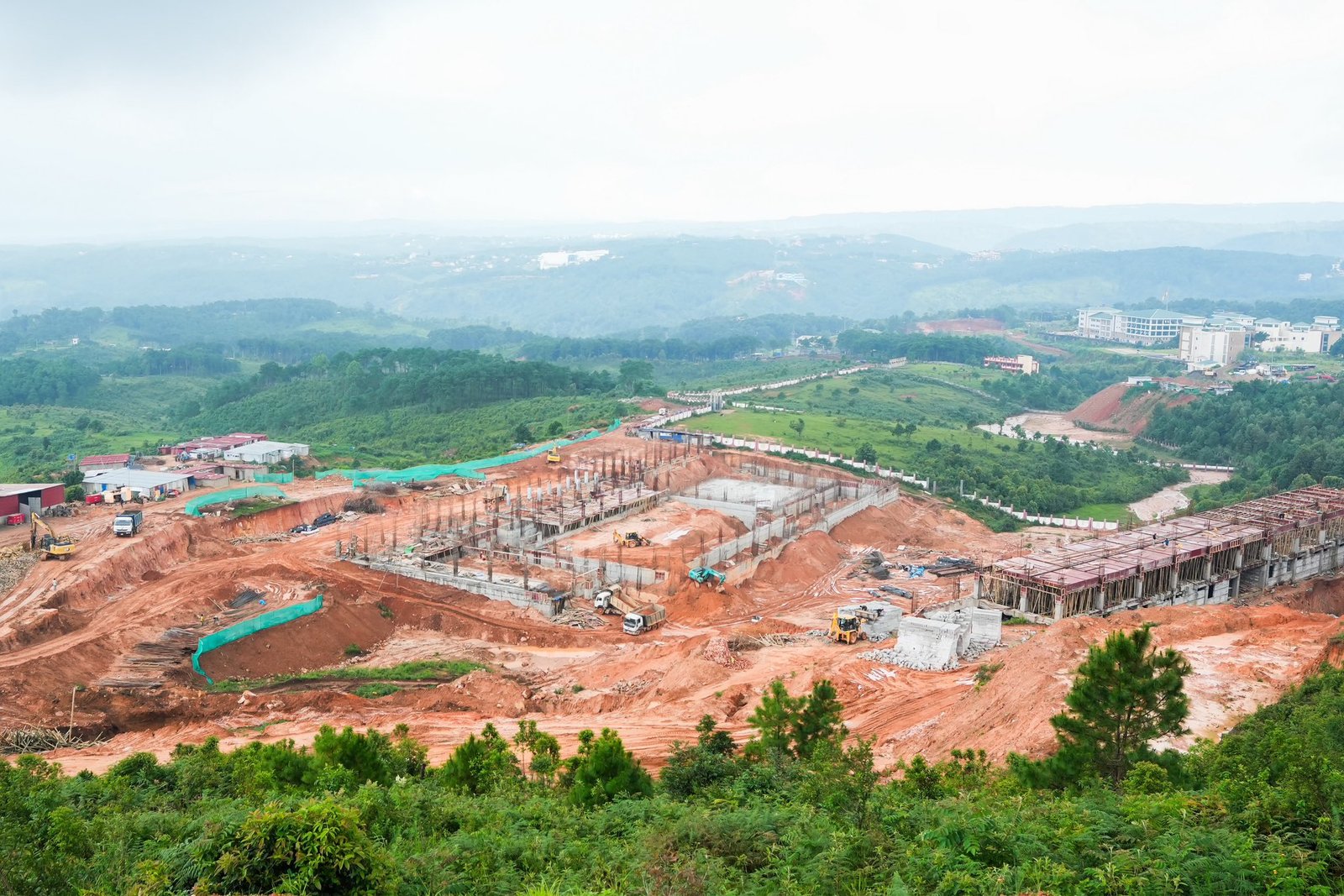
The 39th National Games Allocation has moved forward after Meghalaya’s Sports Ministry approved a ₹600 crore infrastructure budget despite heavy monsoon-related delays. The funding aims to support sports infrastructure development as the state continues preparations while addressing weather-related construction challenges.
The 39th National Games Allocation has gained significant attention following the Meghalaya Sports Ministry’s approval of a ₹600 crore infrastructure budget despite heavy monsoon delays affecting ongoing preparations. The decision underscores the state’s commitment to developing world-class sports infrastructure while ensuring that projects continue despite seasonal challenges. Moreover, the approved allocation highlights the importance of long-term investment in sports facilities ahead of the national event.
Large sporting events often require extensive infrastructure development, including stadiums, training venues, athlete accommodations, and supporting public facilities. Therefore, maintaining project momentum remains an important priority even when weather conditions create construction challenges.
Next-Gen Governance Reforms Take Center Stage at Shillong Administrative Symposium
39th National Games Allocation Approves ₹600 Crore Infrastructure Budget
The Meghalaya Sports Ministry approved a ₹600 crore infrastructure budget under the 39th National Games Allocation to support the development of facilities required for the upcoming event. The approval comes despite heavy monsoon conditions that have affected the pace of construction activities in several project areas.
Moreover, the funding is intended to ensure that infrastructure development continues according to revised planning schedules. Consequently, authorities remain focused on completing key projects while managing the operational impact of adverse weather.
The decision demonstrates the government’s continued commitment to preparing the necessary infrastructure for hosting the National Games.
Monsoon Delays Present Construction Challenges
Heavy monsoon rainfall has created logistical and construction-related challenges for infrastructure projects across Meghalaya. Furthermore, persistent rainfall often affects excavation, material transportation, and outdoor construction work, leading to adjustments in project timelines.
Despite these conditions, the 39th National Games Allocation reflects the state’s determination to continue infrastructure development through careful planning and resource management. Therefore, authorities are expected to monitor construction progress while adapting schedules where necessary.
Seasonal weather conditions frequently influence major infrastructure projects in hilly regions, making flexible project management an important aspect of successful implementation.
39th National Games Allocation Supports Long-Term Sports Development
The approved infrastructure budget extends beyond preparations for a single sporting event. Moreover, investments in sports infrastructure often create long-term benefits by improving facilities for athletes, sporting organizations, and future competitions.
Modern stadiums, training centres, and related infrastructure can strengthen sports development while encouraging greater participation in athletic activities. Similarly, upgraded facilities may support regional and national sporting events in the future.
The 39th National Games Allocation therefore represents an investment in both immediate event readiness and the long-term growth of Meghalaya’s sports ecosystem.
Infrastructure Investment Reflects Strategic Planning
The decision to approve the infrastructure budget despite monsoon delays highlights the importance of maintaining continuity in public development projects. Moreover, strategic planning enables governments to manage unforeseen challenges while continuing progress toward established objectives.
Construction schedules may require periodic adjustments because of weather conditions. However, continued financial support allows implementing agencies to maintain project momentum once conditions improve.
Meanwhile, the approved allocation demonstrates the state’s focus on balancing timely infrastructure development with practical responses to seasonal constraints. Effective coordination among departments and project agencies will remain important as preparations continue.
Conclusion
The 39th National Games Allocation has advanced with the Meghalaya Sports Ministry’s approval of a ₹600 crore infrastructure budget, even as heavy monsoon conditions continue to affect construction activities. The decision reflects the state’s commitment to ensuring that preparations for the National Games remain on course despite operational challenges.
Moreover, the investment highlights the broader importance of developing high-quality sports infrastructure that can benefit athletes and sporting institutions well beyond the event itself. Careful planning and coordinated implementation will be essential for managing project timelines during the monsoon season.
Overall, the approved allocation represents a significant step in Meghalaya’s preparations for the 39th National Games. As construction progresses, continued monitoring and adaptive project management will play an important role in achieving infrastructure development goals.
FAQs
1. What is the 39th National Games Allocation?
The 39th National Games Allocation refers to the approved funding for infrastructure development supporting Meghalaya’s preparations for the 39th National Games.
2. How much infrastructure funding has been approved?
The Meghalaya Sports Ministry has approved a ₹600 crore infrastructure budget.
3. Why have project timelines been affected?
Heavy monsoon conditions have created construction and logistical challenges, leading to delays in infrastructure development.
4. What will the approved budget support?
The allocation will support the development of sports infrastructure required for hosting the National Games and strengthening long-term sporting facilities.
5. Why is sports infrastructure investment important?
Sports infrastructure helps improve training facilities, supports athletic development, enables future sporting events, and contributes to long-term sports growth.