

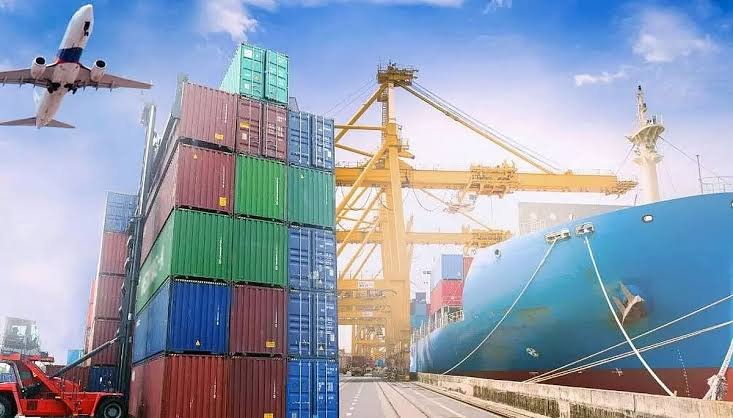
The Act East Infrastructure Deficit has come under renewed focus after a NITI Aayog policy review identified infrastructure gaps in Northeast India as the primary bottleneck limiting trade connectivity with East Asian countries. The review emphasized the need for stronger transport and logistics networks to support the Act East Policy. The Act East Infrastructure Deficit has emerged as a significant concern following a NITI Aayog policy review on regional connectivity. Moreover, the review identified infrastructure shortcomings across Northeast India as the main obstacle to expanding trade with East Asian economies. The findings underscore the importance of improving transportation, logistics, and connectivity to fully realize the objectives of India’s Act East Policy.
Inner Line Permit Complexities: Centre Clarifies ILP Implementation in Meghalaya
Act East Infrastructure Deficit Identified by NITI Aayog
The Act East Infrastructure Deficit was highlighted in a recent NITI Aayog policy review examining regional trade and connectivity. Furthermore, the report pointed to inadequate infrastructure as the principal challenge affecting trade with East Asian markets.
Efficient transport networks are essential for economic growth. Consequently, infrastructure development remains a key priority for improving regional competitiveness.
Moreover, stronger connectivity can enhance the movement of goods and services. Therefore, addressing infrastructure gaps has become increasingly important.
Northeast Infrastructure Remains a Key Challenge
The Act East Infrastructure Deficit reflects the continuing need to strengthen infrastructure across Northeast India. Furthermore, the review noted that better road, rail, and logistics facilities are crucial for expanding regional trade.
The Northeast occupies a strategic geographical position. Similarly, improved infrastructure can help unlock greater economic opportunities.
Consequently, investment in connectivity projects is viewed as an important step toward achieving long-term development goals. Thus, infrastructure remains central to the region’s growth strategy.
Trade Connectivity with East Asia Requires Improvement
The Act East Infrastructure Deficit directly affects India’s efforts to enhance economic engagement with East Asian countries. Moreover, efficient trade corridors depend on modern transportation and logistics systems.
Cross-border trade benefits from reliable infrastructure and streamlined connectivity. Additionally, improved logistics can reduce transportation costs and improve market access.
Consequently, infrastructure upgrades are expected to support stronger regional trade. Therefore, connectivity remains an important policy objective.
NITI Aayog Emphasizes Infrastructure Development
The Act East Infrastructure Deficit review highlights the importance of sustained investment in infrastructure. Furthermore, NITI Aayog’s assessment draws attention to the role of connectivity in supporting economic integration.
Policy reviews often help identify development priorities. Similarly, infrastructure assessments guide future planning and investment decisions.
Moreover, coordinated efforts can accelerate regional development. Thus, infrastructure improvement continues to receive policy attention.
Act East Policy Depends on Better Connectivity
The Act East Infrastructure Deficit demonstrates that infrastructure development remains closely linked to the success of the Act East Policy. Furthermore, efficient transport networks strengthen trade, investment, and regional cooperation.
Connectivity initiatives can improve access to international markets. Consequently, stronger infrastructure supports broader economic objectives.
Additionally, improved logistics encourage commercial activity across the Northeast. Therefore, infrastructure remains a critical component of long-term policy implementation.
Looking Ahead
The Act East Infrastructure Deficit is expected to remain an important focus for policymakers and development agencies. Moreover, continued investment in transportation and logistics infrastructure could strengthen Northeast India’s role in regional trade.
As connectivity projects progress, infrastructure improvements may help reduce existing bottlenecks. Similarly, enhanced trade networks can contribute to economic growth and regional integration.
Consequently, addressing infrastructure challenges will remain essential for achieving the objectives of the Act East Policy. Thus, the review reinforces the need for sustained development efforts.
Conclusion
The Act East Infrastructure Deficit identified by NITI Aayog highlights the importance of addressing infrastructure gaps across Northeast India. The policy review emphasizes that stronger transport and logistics networks are essential for expanding trade with East Asian economies.
Moreover, improved connectivity can support regional development, facilitate commerce, and strengthen India’s Act East Policy. Consequently, infrastructure investment remains a strategic priority.
Looking ahead, continued efforts to modernize roads, railways, logistics, and border connectivity will be vital. Therefore, overcoming the Act East Infrastructure Deficit will play a key role in unlocking the Northeast’s trade potential.
FAQs
1. What is the Act East Infrastructure Deficit?
The Act East Infrastructure Deficit refers to infrastructure gaps in Northeast India identified by NITI Aayog as a major obstacle to East Asian trade.
2. Which organization highlighted the infrastructure gaps?
The findings were presented in a NITI Aayog policy review.
3. Why is Northeast infrastructure important?
Improved infrastructure supports trade, logistics, connectivity, and regional economic growth.
4. How does the infrastructure deficit affect the Act East Policy?
It limits efficient trade connectivity and slows economic engagement with East Asian countries.
5. What areas require improvement?
The review emphasizes the need for better transport, logistics, road, rail, and connectivity infrastructure.