

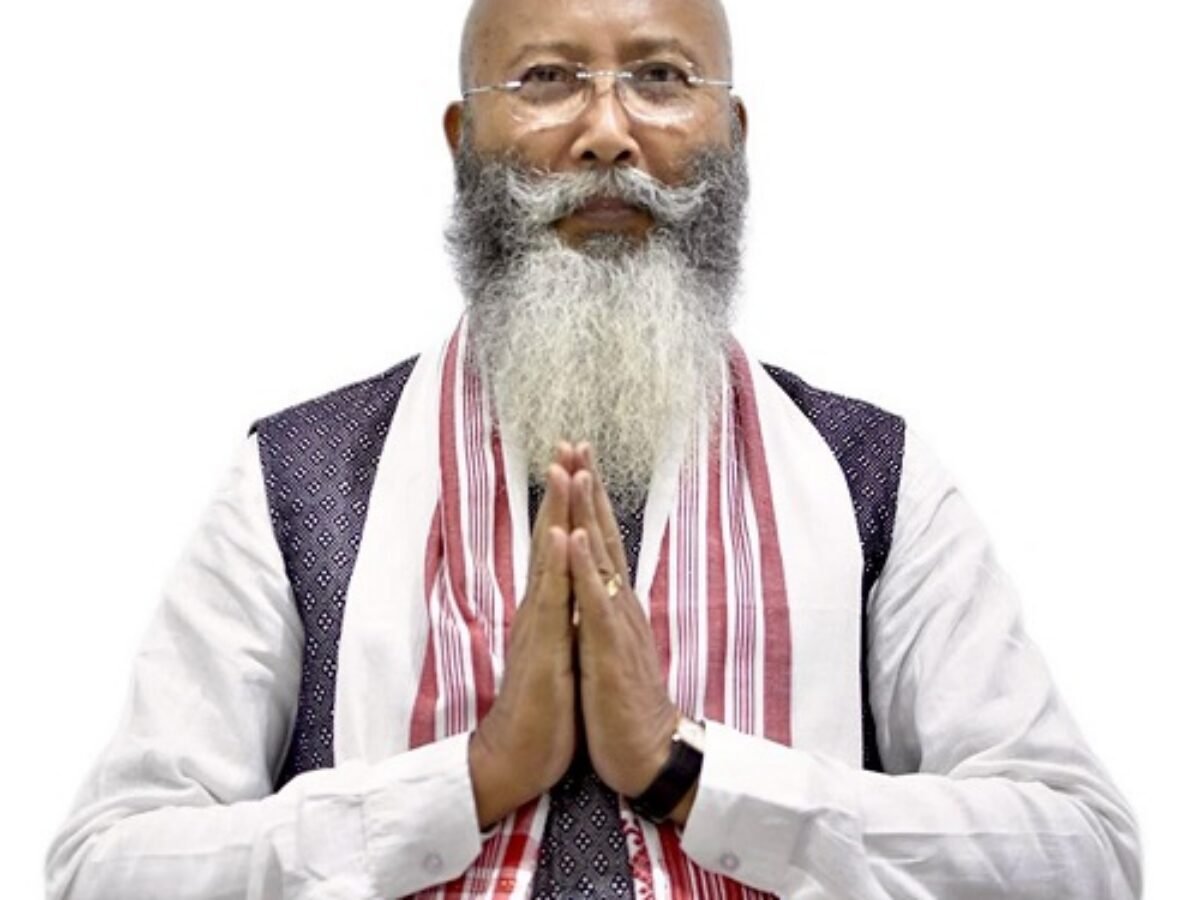
The AJP leadership resignation development has attracted attention in Assam’s political landscape following the decision of Mainak Patra, Central Vice-President of the Asom Jatiya Parishad (AJP), to step down from his party position. The resignation comes at a time when regional political parties continue to evaluate their organizational strategies and leadership structures. Furthermore, political observers view the move as part of broader changes unfolding within regional political circles. Although party leaders have not indicated any immediate crisis, the development has sparked discussions about the future direction of the organization and its leadership framework.
Manipur VIP Convoy Downsizing Measures Implemented
Manipur ST Scholarship Reforms Prioritized
Mainak Patra Steps Down From Party Post
Mainak Patra officially resigned from his position as Central Vice-President of the Asom Jatiya Parishad. According to party sources, the resignation forms part of ongoing organizational adjustments taking place within the party. Moreover, the announcement has generated interest among political workers and supporters across Assam.
Patra played a visible role in several party activities and organizational initiatives over the years. Therefore, his departure from a senior leadership position marks a notable change within the party structure. While the leadership has acknowledged the resignation, it has continued to emphasize organizational stability and continuity. As a result, the AJP leadership resignation development has become a key topic in discussions surrounding the party’s future plans.
Organizational Restructuring Gains Momentum
The resignation comes amid efforts by political organizations to reassess leadership roles and strengthen internal structures. In recent months, several regional parties have focused on organizational reviews to improve efficiency and prepare for future political challenges. Likewise, the Asom Jatiya Parishad appears to be undertaking adjustments aimed at strengthening its operational framework.
Party insiders suggest that restructuring efforts may involve changes in responsibilities and leadership arrangements. Furthermore, such transitions are often intended to enhance coordination and improve grassroots engagement. Consequently, the AJP leadership resignation development is being viewed within the broader context of organizational evolution rather than as an isolated event.
Regional Political Landscape Continues To Evolve
Assam’s regional political environment has witnessed significant changes in recent years. As parties seek to expand their support base, many have introduced reforms designed to strengthen their organizational presence. At the same time, leadership transitions frequently become part of these broader strategic efforts.
Political analysts note that changes within party leadership structures can influence future planning and electoral preparation. Moreover, leadership adjustments often provide opportunities for organizations to redefine priorities and strengthen internal mechanisms. Therefore, the AJP leadership resignation development may carry significance beyond the immediate change in office.
Party Focuses On Stability And Future Strategy
Despite the resignation, party leaders have continued to stress the importance of maintaining organizational unity. In addition, they have reiterated their commitment to advancing the party’s political objectives and public outreach efforts. Officials believe that strong internal coordination remains essential for sustaining momentum in a competitive political environment.
Meanwhile, supporters and observers will closely watch how the party fills the vacant position and manages the transition. Furthermore, leadership decisions made during this period could shape future organizational strategies. Through these efforts, the party aims to maintain continuity while adapting to evolving political realities.
Implications For Regional Politics
Leadership changes within regional parties often attract attention because they can influence future political alignments and strategic planning. However, such developments do not necessarily indicate instability. Instead, they may reflect efforts to modernize organizational structures and improve operational effectiveness.
Political observers suggest that upcoming decisions by party leaders could provide greater clarity regarding the direction of future reforms. Additionally, any restructuring process may create opportunities for emerging leaders to take on greater responsibilities. Consequently, the AJP leadership resignation development remains an important political story within Assam’s regional landscape.
Conclusion
The AJP leadership resignation development marks a notable moment for the Asom Jatiya Parishad as Central Vice-President Mainak Patra steps down from his position. Although the resignation comes amid broader organizational restructuring, party leaders continue to emphasize stability and continuity. Furthermore, the development reflects ongoing efforts by regional political organizations to adapt to changing political dynamics. As the party moves forward, attention will remain focused on leadership decisions, organizational reforms, and their potential impact on Assam’s evolving political environment.
FAQs
Q1. Who resigned from the Asom Jatiya Parishad leadership?
Mainak Patra resigned from his position as Central Vice-President of the party.
Q2. Why is the resignation attracting attention?
The move comes during a period of organizational restructuring within regional political circles.
Q3. What is the AJP leadership resignation development?
It refers to Mainak Patra’s resignation from his senior leadership role in the Asom Jatiya Parishad.
Q4. Does the resignation indicate a political crisis?
Party leaders have not suggested any immediate crisis and continue to emphasize stability.
Q5. How can restructuring affect a political party?
It can improve organizational efficiency, strengthen leadership frameworks, and support future planning.
Q6. What happens next for the party?
The leadership is expected to manage the transition and continue its organizational and political activities.