


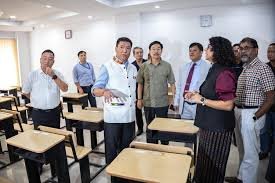
Pema Khandu has urged the central government to allocate more local examination centres for the Common University Entrance Test in Arunachal Pradesh. The request aims to reduce the difficulties faced by students who currently travel outside the state to appear for the examination.
Officials stated that long-distance travel creates financial, logistical, and safety-related challenges for students and their families. Moreover, educational stakeholders believe additional local centres would improve accessibility and reduce stress during the examination process.
The issue has attracted significant public attention because many students from remote districts continue facing transportation and accommodation difficulties during national-level entrance examinations. Consequently, the demand for expanded CUET infrastructure in Arunachal Pradesh has gained wider support.
Nagaland Militant Surrender Marks Security Progress in Dimapur
Manipur Border Village Attack Raises Security Concerns
Pema Khandu Urges Expansion of Local Exam Centres
The Arunachal CUET Centre Demand became a major education-related issue after Chief Minister Pema Khandu formally requested the Centre to establish additional examination centres within the state.
Government representatives stated that students from several districts currently travel to other states because of limited local testing infrastructure. Furthermore, officials highlighted the geographical challenges faced by candidates living in remote and mountainous regions.
The Chief Minister reportedly emphasized that local centres would significantly reduce travel costs and improve convenience for students and guardians. As a result, educational groups and parents welcomed the request and expressed hope for quicker implementation.
Authorities also noted that better examination access can help improve educational participation and opportunities for students across Arunachal Pradesh.
Students Face Travel and Financial Challenges
Many students in Arunachal Pradesh travel long distances to appear for national-level entrance examinations because limited centres are available within the state. Educational experts stated that transportation costs and accommodation expenses often create additional burdens for families.
Students from remote districts reportedly face especially difficult travel conditions because of geographical terrain and connectivity issues. Therefore, local examination centres are increasingly viewed as essential for ensuring equal educational access.
Parents and community organizations stated that out-of-state travel can also create stress and safety concerns during examination periods. Additionally, weather conditions and transportation delays sometimes affect students’ schedules and preparation.
The Arunachal CUET Centre Demand has consequently become an important issue related to educational accessibility and student welfare.
Importance of CUET for Higher Education
The Common University Entrance Test plays a major role in admissions to universities and higher educational institutions across India. Thousands of students participate in the examination each year to secure admission opportunities in undergraduate programs.
Education experts believe fair and accessible examination systems are important for supporting equal opportunities among students from different regions. Consequently, improving examination infrastructure in northeastern states remains a growing policy concern.
Officials also emphasized that students from remote regions should not face disadvantages because of geographical limitations. Furthermore, easier access to examination centres may encourage higher participation in national entrance tests.
The latest request has therefore renewed discussions regarding educational infrastructure development in northeastern India.
Arunachal Pradesh Faces Connectivity Constraints
Arunachal Pradesh continues facing transportation and connectivity challenges because of its mountainous geography and dispersed population. Several districts require long travel times for access to educational and administrative facilities.
Government officials stated that improving educational infrastructure remains a long-term priority for the state. Moreover, digital connectivity, transport networks, and examination access continue receiving policy attention.
Observers noted that students from border and rural districts often face greater disadvantages during centralized examination processes. Therefore, local CUET centres are being viewed as an important solution for reducing educational inequality.
The Arunachal CUET Centre Demand also reflects broader concerns regarding accessibility in remote regions.
Educational Groups and Parents Support Proposal
Educational organizations, student groups, and parents welcomed the Chief Minister’s request for additional local examination centres. Many stakeholders described the proposal as necessary for protecting student interests and reducing unnecessary hardships.
Parents stated that local centres would reduce financial pressure and improve safety for young candidates traveling long distances. Additionally, teachers and academic institutions emphasized that reduced travel stress could positively affect student performance.
Education analysts believe localized examination facilities can significantly improve participation rates in competitive exams. Consequently, authorities may continue reviewing infrastructure expansion needs in northeastern states.
Public discussions surrounding the issue have highlighted the importance of inclusive educational planning and equal access.
Centre Expected to Review Request
Officials indicated that the proposal regarding additional CUET centres may be examined by relevant authorities responsible for examination coordination and educational administration. Discussions are expected to focus on infrastructure, logistics, and student accessibility requirements.
Policy experts stated that expanding examination centres in remote states could strengthen educational inclusion and improve regional participation in higher education systems. Furthermore, better local infrastructure may reduce dropout risks linked to financial and travel difficulties.
Observers believe the request from Arunachal Pradesh could encourage similar demands from other geographically challenging regions. Therefore, educational accessibility may remain a significant policy issue in future discussions.
The Arunachal CUET Centre Demand has become one of the most widely discussed education concerns in the state recently.
Conclusion
Chief Minister Pema Khandu’s request for additional CUET centres in Arunachal Pradesh highlights the growing need for accessible educational infrastructure in remote regions. The proposal aims to reduce financial and logistical challenges faced by students traveling outside the state for national-level entrance examinations.
As authorities review the demand, students and parents across Arunachal Pradesh will hope for improved examination accessibility and greater educational convenience. The issue may also shape broader discussions regarding inclusive education policies and infrastructure development in northeastern India.
FAQs
What request did Pema Khandu make?
He requested the Centre to allot more local CUET examination centres in Arunachal Pradesh.
Why are local CUET centres needed?
Students currently travel outside the state, facing financial and logistical difficulties.
What challenges do students face?
Long-distance travel, accommodation costs, difficult terrain, and transportation issues create hardships.
What is CUET?
CUET is the Common University Entrance Test used for admissions to universities in India.
Which students are most affected?
Students from remote and mountainous districts face the greatest difficulties.
How can local centres help students?
They can reduce travel stress, lower expenses, and improve access to higher education opportunities.