


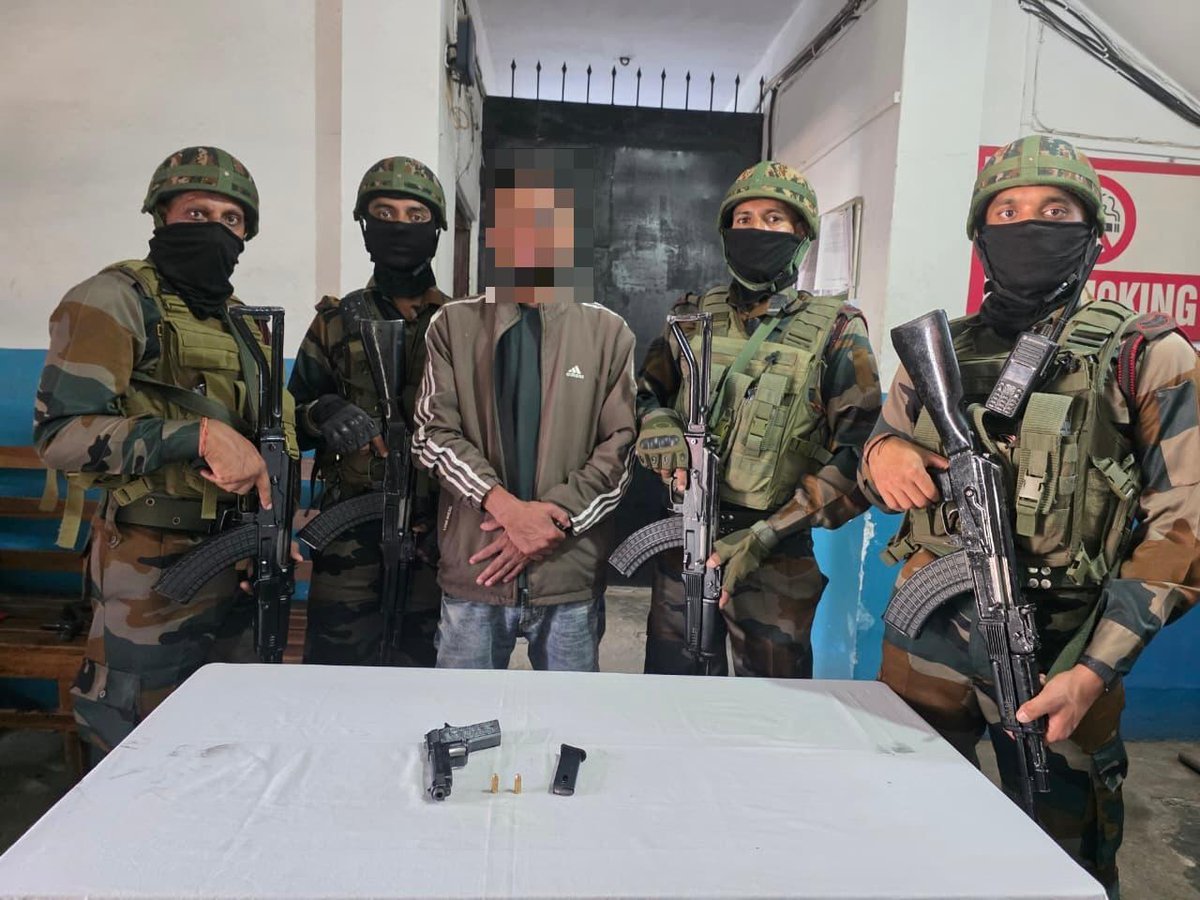
Seven militants formally surrendered before security authorities in Dimapur, marking another important development in ongoing peace and security efforts in Nagaland. Officials confirmed that the surrender ceremony was conducted in the presence of law enforcement and administrative representatives.
Authorities stated that the surrender reflects continuing efforts to encourage peace, rehabilitation, and reintegration of former militants into mainstream society. Moreover, officials emphasized the importance of dialogue, development, and stability in maintaining long-term peace across the region.
The development has attracted public and political attention because security-related issues remain closely linked to peace-building efforts in northeastern India. Consequently, observers believe the latest surrender may positively influence regional stability and confidence-building measures.
Sikkim Disaster Management Award Honours State Preparedness
Act East Commitment: PM Modi Reaffirms “Act East, Act Fast” Vision for Sikkim Growth
Seven Militants Surrender in Dimapur
The Nagaland Militant Surrender Marks a significant security development after seven militants laid down arms before authorities in Dimapur. Officials stated that the surrender process was carried out peacefully under established legal and administrative procedures.
Security representatives described the event as part of broader efforts aimed at reducing violence and encouraging reconciliation in the region. Furthermore, authorities highlighted the importance of rehabilitation opportunities for individuals choosing to return to civilian life.
The surrender reportedly included the handing over of weapons and related materials during the formal process. As a result, security agencies welcomed the move as a positive step toward maintaining peace and law and order.
Officials also stated that further investigations and verification procedures would continue following the surrender.
Authorities Emphasize Peace and Rehabilitation
Government and security officials reiterated their commitment to supporting peace initiatives and rehabilitation programs for surrendered individuals. According to authorities, reintegration measures remain important for promoting long-term stability and reducing the risk of future conflict.
Officials stated that rehabilitation efforts often include counseling, vocational support, and opportunities aimed at helping former militants reintegrate into society. Additionally, authorities emphasized that peaceful engagement remains essential for regional development.
Political analysts believe surrender and rehabilitation programs can contribute positively to confidence-building in conflict-affected regions. Therefore, authorities continue encouraging peaceful resolutions and dialogue-based approaches.
The Nagaland Militant Surrender Marks another example of ongoing efforts to strengthen stability in northeastern India.
Security Situation in Northeast India
Northeastern states have experienced various security and insurgency-related challenges over several decades. Governments and security agencies have therefore focused on peace negotiations, development programs, and law enforcement coordination to improve regional stability.
Experts noted that surrender initiatives often reflect broader improvements in security conditions and administrative outreach. Consequently, such developments are closely monitored by policymakers and security observers.
Officials also highlighted the importance of balancing security operations with community engagement and development activities. Furthermore, infrastructure projects, employment opportunities, and education initiatives are often viewed as important components of long-term peace-building.
The latest surrender in Dimapur has renewed discussions regarding stability and reconciliation efforts in Nagaland.
Dimapur Remains Key Administrative and Security Hub
Dimapur plays an important role in Nagaland’s administrative, economic, and security framework. The city frequently hosts coordination meetings, security reviews, and official peace-related processes.
Authorities stated that maintaining peace and law enforcement coordination in Dimapur remains important because of its strategic and commercial significance. Moreover, security agencies continue monitoring developments across different districts to ensure stability.
Observers believe cooperation between civil administration, security forces, and local communities remains essential for sustaining peace initiatives in the state. Therefore, authorities continue encouraging public participation in peace-building and awareness efforts.
The surrender ceremony also reflected ongoing cooperation between different law enforcement and administrative bodies.
Public and Political Reactions
Community organizations and local leaders welcomed the surrender and expressed hope for continued peace and reconciliation in Nagaland. Many residents viewed the development as a positive sign for stability and security in the region.
Political commentators noted that surrender events often carry symbolic importance because they reflect willingness among individuals to move away from armed activities. Additionally, successful rehabilitation efforts can strengthen public confidence in peace processes.
Public discussions also emphasized the importance of creating long-term opportunities for youth through education, employment, and development programs. Consequently, many observers stressed the need for continued investment in social and economic initiatives alongside security measures.
The Nagaland Militant Surrender Marks a development that may contribute to broader peace-building discussions in northeastern India.
Rehabilitation and Reintegration Remain Important
Experts stated that successful reintegration programs play a major role in preventing renewed conflict and encouraging social stability. Authorities therefore continue focusing on rehabilitation strategies that support education, employment, and community participation.
Officials also emphasized the need for sustained counseling and monitoring to help surrendered individuals transition successfully into civilian life. Furthermore, cooperation between government agencies and local organizations remains essential for effective reintegration.
Analysts believe long-term peace depends not only on security measures but also on inclusive development and social trust-building. Therefore, rehabilitation programs are increasingly viewed as important components of regional stability strategies.
The surrender has consequently renewed focus on peace-building and reconciliation efforts in Nagaland.
Conclusion
The surrender of seven militants in Dimapur represents an important step in Nagaland’s ongoing efforts toward peace, stability, and rehabilitation. Authorities and security agencies have welcomed the development as part of broader initiatives aimed at reducing conflict and strengthening public confidence.
As rehabilitation and reintegration processes continue, the latest surrender may contribute positively to regional peace-building efforts in northeastern India. Observers will now closely watch how authorities expand dialogue, development, and reconciliation initiatives in the coming months.
FAQs
Where did the militant surrender take place?
The surrender ceremony took place in Dimapur, Nagaland.
How many militants surrendered?
Seven militants formally surrendered before authorities.
Why is the surrender significant?
It reflects ongoing peace-building and rehabilitation efforts in Nagaland.
What happens after militants surrender?
Authorities usually conduct verification, counseling, and rehabilitation processes for reintegration.
Why is Dimapur important in Nagaland?
Dimapur serves as a major administrative, economic, and security center in the state.
How can rehabilitation support peace?
Rehabilitation programs help former militants reintegrate into society and reduce chances of renewed conflict.