

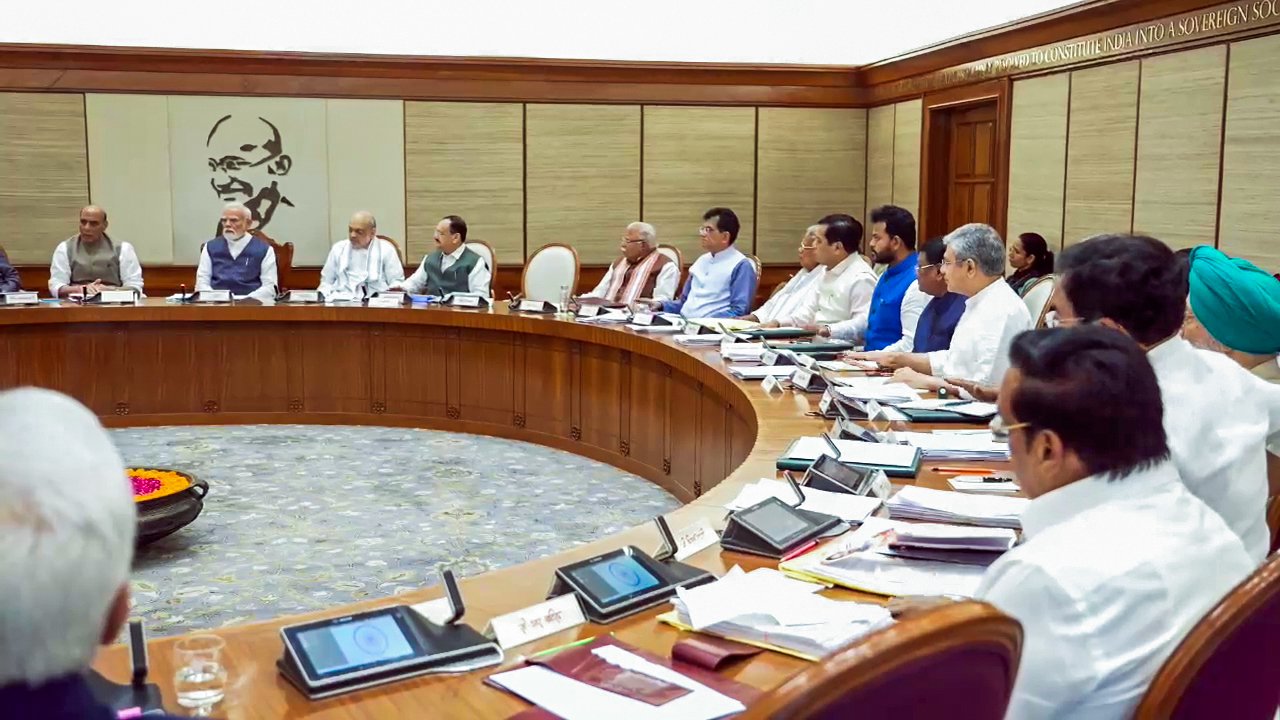
The Arunachal Identity Crisis Resolution process achieved a significant breakthrough after high-powered talks between the state government and key stakeholders concluded with the formation of four committees. The committees will examine issues related to the Inner Line Permit (ILP) system and concerns surrounding the Arunachal Pradesh Scheduled Tribe (APST) identity framework. Officials described the discussions as an important step toward addressing long-standing concerns while promoting consensus-based solutions. The outcome has generated interest across the state, as stakeholders hope the newly formed panels will provide practical recommendations on matters linked to identity, legal protections, and administrative governance.
Tripura Post Flood Relief Package Approved
West Tripura MGNREGA Employment Achievement
Government And Stakeholders Reach Consensus
The state government held extensive consultations with community leaders, civil society groups, and other stakeholders to discuss concerns related to the ILP system and APST identity issues. After detailed deliberations, participants agreed to establish four committees to examine the challenges and recommend suitable measures.
Moreover, officials emphasized the importance of dialogue in resolving sensitive issues that affect multiple sections of society. They noted that the committees will provide a structured platform for discussion and policy evaluation. As a result, the decision marks a significant step toward finding balanced and widely accepted solutions.
Four Committees To Examine Key Concerns
The Arunachal Identity Crisis Resolution initiative will now move forward through the work of the newly established committees. Each panel will focus on specific aspects of the ILP framework and APST identity-related matters.
Furthermore, the committees will review existing regulations, study stakeholder concerns, and assess possible policy options. Authorities expect the panels to engage with relevant groups and gather diverse viewpoints before submitting recommendations. Consequently, the committee-based approach aims to ensure transparency and broader participation in the decision-making process.
Importance Of ILP And APST Issues
The Inner Line Permit system plays a crucial role in regulating the entry of non-residents into Arunachal Pradesh and protecting indigenous interests. Similarly, APST status remains an important aspect of identity, legal safeguards, and access to constitutional benefits for recognized tribal communities.
Therefore, discussions surrounding these issues often attract significant public attention. Stakeholders argue that any policy decisions must balance cultural preservation, legal protections, and administrative requirements. In addition, many community organizations have called for careful evaluation of concerns to safeguard the interests of indigenous populations.
Expected Impact On Policy And Governance
The Arunachal Identity Crisis Resolution process could influence future policy decisions related to identity management and governance in the state. The committees are expected to provide recommendations that may guide administrative reforms and legislative discussions.
Meanwhile, government officials have reiterated their commitment to a consultative approach. They believe that stakeholder participation can help build trust and improve the effectiveness of policy outcomes. As discussions continue, observers expect the committee reports to play a key role in shaping future decisions on ILP and APST-related matters.
Conclusion
The formation of four committees marks an important milestone in the Arunachal Identity Crisis Resolution process. By bringing together government representatives and stakeholders, the state has created a structured mechanism to address concerns surrounding the ILP system and APST identity issues. Moreover, the committee-led approach encourages dialogue, transparency, and inclusive participation. As the panels begin their work, public attention will remain focused on their findings and recommendations. Therefore, the outcome of this initiative could have a lasting impact on governance, identity protection, and policy development in Arunachal Pradesh.
FAQs
What was the outcome of the government-stakeholder talks?
The discussions concluded with the formation of four committees to address ILP and APST identity-related concerns.
What issues will the committees examine?
They will study matters related to the Inner Line Permit system and Arunachal Pradesh Scheduled Tribe identity concerns.
Why are these issues important?
They involve indigenous rights, legal protections, administrative governance, and identity-related policies.
What is the Arunachal Identity Crisis Resolution process?
It is an initiative aimed at addressing concerns linked to ILP regulations and APST identity through consultation and policy review.
Who participated in the discussions?
Government representatives, community leaders, civil society groups, and other stakeholders took part in the talks.
What happens next?
The committees will conduct reviews, gather feedback, and submit recommendations for future policy consideration.