

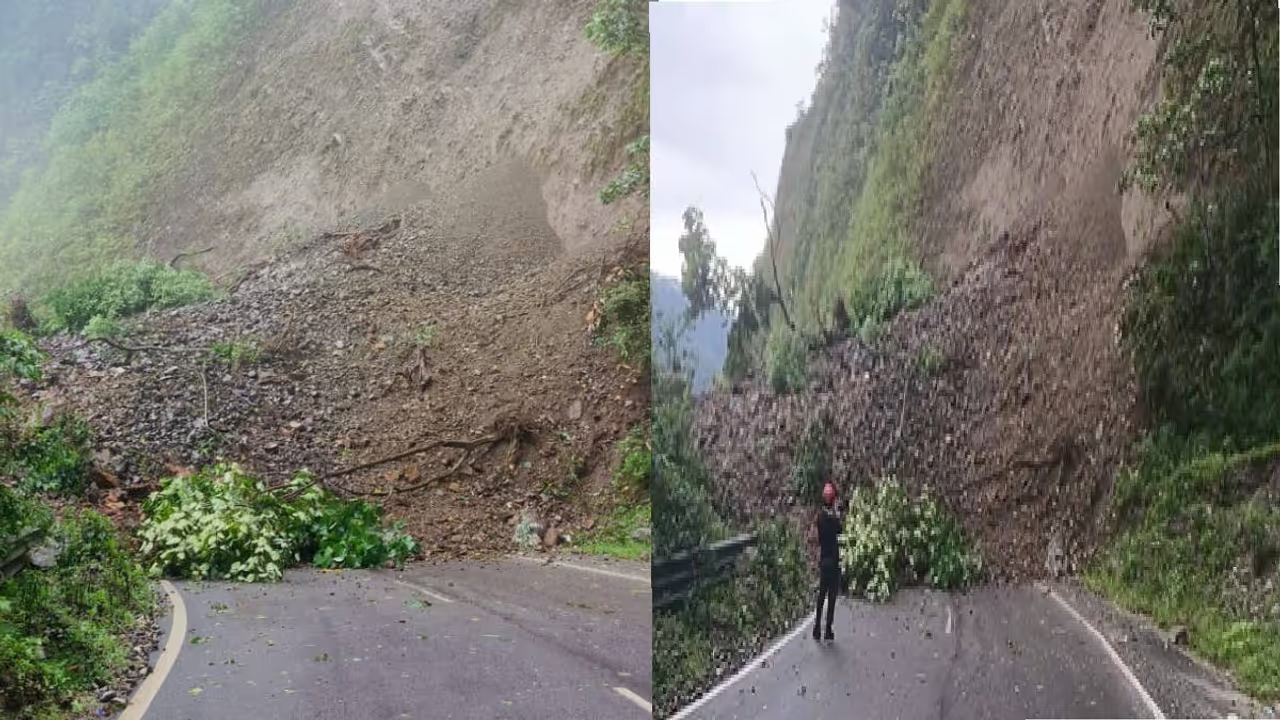
The Arunachal Landslips situation has disrupted transportation after heavy rainfall triggered a massive landslide on the Pasighat-Aalo highway, completely cutting off vehicular connectivity along the route. The incident has created significant difficulties for commuters and communities that depend on the highway for transportation.
The Arunachal Landslips highlight the vulnerability of roads in Arunachal Pradesh during periods of intense monsoon rainfall. Saturated slopes can become unstable and send large quantities of soil, rocks, and debris onto highways.
The Pasighat-Aalo route serves as an important transportation link in the region. Moreover, a complete road blockage can disrupt the movement of passengers, commercial vehicles, essential supplies, and emergency services.
Authorities will need to assess the affected stretch and begin restoration once conditions allow. Therefore, maintaining alternative routes and providing timely travel advisories remain important while the highway remains inaccessible.
Mining Contradiction: CM Sarma Rejects Claims Linking Local Coal Mining to Assam Floods
Arunachal Landslips Block Major Highway Route
The Arunachal Landslips event occurred after heavy rains destabilized a section of hillside along the Pasighat-Aalo highway. According to the available information, the resulting landslide completely stopped vehicular movement.
Moreover, intense rainfall can weaken soil and rock formations, particularly across mountainous terrain. Consequently, road corridors that pass through steep slopes can face sudden disruptions during the monsoon.
The blockage affects more than routine traffic. Furthermore, residents and businesses may face difficulties moving essential goods and accessing services when a major road remains closed.
The available information does not provide details about the exact location of the landslide, the length of the blocked section, or the volume of debris covering the highway.
Restoration Challenges Grow After Arunachal Landslips
The Arunachal Landslips have created a major challenge for road authorities responsible for restoring connectivity. Before clearing the highway, teams must assess slope stability and ensure that further landslides do not endanger workers.
Additionally, heavy rainfall can make restoration work more difficult by keeping surrounding slopes saturated. This situation may delay debris removal and increase the risk of additional blockages.
Road restoration teams may need heavy equipment to remove soil, rocks, and other debris. Meanwhile, authorities can issue travel advisories to prevent motorists from approaching the blocked stretch.
The available information does not confirm when vehicular movement will resume or whether an alternative route is currently available. Therefore, commuters should rely on official local updates before planning travel along the affected corridor.
Arunachal Landslips Highlight Monsoon Road Vulnerability
The Arunachal Landslips incident demonstrates the challenges that mountainous states face during periods of heavy rainfall. Roads built across steep terrain remain particularly vulnerable to landslides and slope failures.
Moreover, repeated road disruptions can affect economic activity and emergency response. Consequently, resilient road construction, slope stabilization, drainage improvements, and regular monitoring can play an important role in reducing future risks.
Highway connectivity remains essential for remote communities in Arunachal Pradesh. Furthermore, maintaining reliable transport links helps ensure access to healthcare, education, markets, and essential supplies.
The latest incident also highlights the importance of early warnings and rapid response systems. Therefore, authorities can strengthen monsoon preparedness by identifying vulnerable road sections and preparing equipment and personnel for emergency restoration.
Conclusion
The Arunachal Landslips have caused a major transportation disruption after heavy rains triggered a massive landslide on the Pasighat-Aalo highway, completely cutting off vehicular connectivity.
Furthermore, authorities face the challenge of restoring the road while ensuring worker and commuter safety in unstable terrain. Continued rainfall could create additional risks, making careful assessment essential before clearance operations begin.
Overall, the Arunachal Landslips incident highlights the vulnerability of mountain highways to extreme rainfall and reinforces the importance of resilient infrastructure, slope management, and rapid emergency road restoration.
FAQs
1. What happened on the Pasighat-Aalo highway?
Heavy rainfall triggered a massive landslide that completely blocked vehicular connectivity along the highway.
2. Why are landslides common in Arunachal Pradesh during the monsoon?
Heavy rainfall can saturate mountainous slopes, weaken soil and rock formations, and trigger landslides.
3. Is the highway currently open to vehicles?
According to the available information, the landslide has completely cut off vehicular connectivity on the affected stretch.
4. What challenges could delay road restoration?
Continued rainfall, unstable slopes, large debris deposits, and difficult mountainous terrain can complicate clearance operations.
5. What can reduce future landslide risks?
Improved drainage, slope stabilization, regular monitoring, resilient road construction, and rapid emergency-response planning can help reduce risks.