

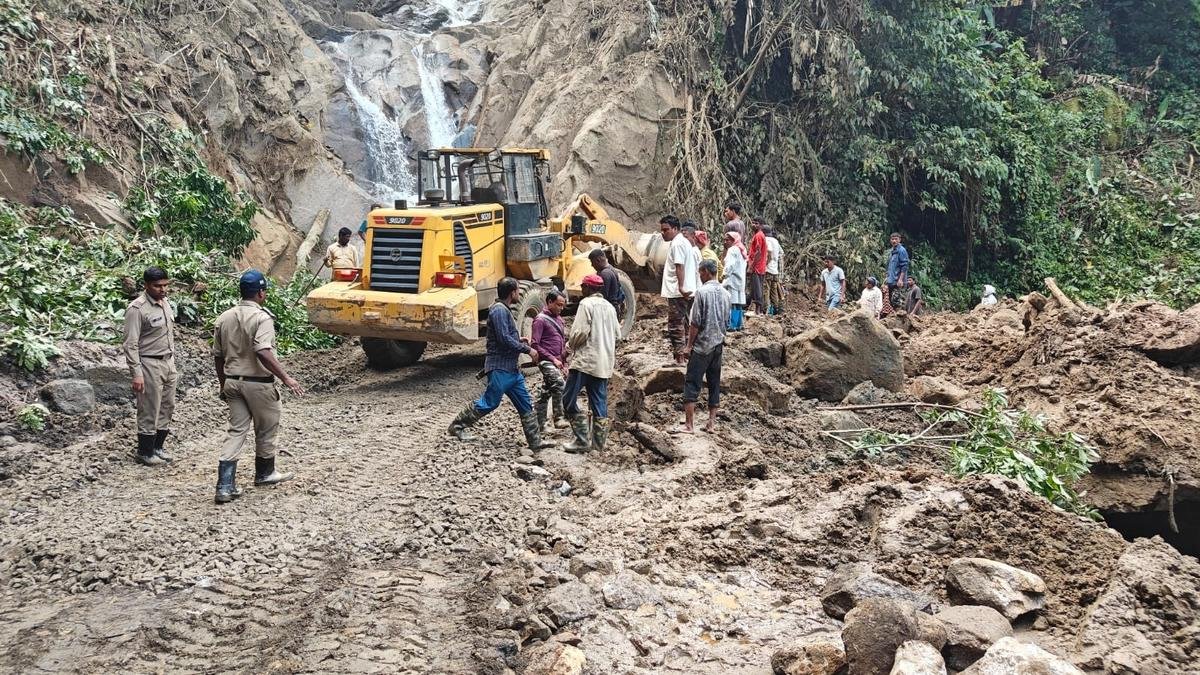
The Arunachal Flash Flood Death Toll has risen to four following continued flash floods triggered by heavy monsoon rainfall across parts of Arunachal Pradesh. Moreover, the disaster has caused widespread disruption, damaged infrastructure, and affected several communities in vulnerable districts. Consequently, state authorities, disaster management agencies, and emergency response teams have intensified rescue, relief, and damage assessment operations while closely monitoring weather conditions.
Meghalaya CM Holds Emergency Meetings Amid Severe Monsoon Rainfall Deficit
Illegal Immigration Arrests Rock Guwahati Transit
Arunachal Flash Flood Death Toll Increases After Heavy Rainfall
The Arunachal Flash Flood Death Toll increased to four as persistent monsoon rainfall continued to trigger flash floods in multiple parts of the state. Furthermore, swollen rivers and overflowing streams contributed to the flooding, disrupting normal life in several affected areas.
Flash floods can develop rapidly during periods of intense rainfall, particularly in hilly regions. Consequently, authorities have advised residents in vulnerable locations to remain alert and follow official safety advisories.
Moreover, district administrations continue gathering information on affected households and damaged infrastructure. Therefore, detailed assessments are underway to guide relief and rehabilitation efforts.
Additionally, emergency response teams remain deployed in vulnerable districts. Thus, authorities continue monitoring the evolving weather situation.
Rescue and Relief Operations Intensify
The Arunachal Flash Flood Death Toll has prompted state agencies to strengthen rescue and relief operations across flood-affected regions. Furthermore, disaster management personnel are working with local administrations to assist affected communities and restore essential services.
Rapid emergency response is critical during natural disasters. Consequently, authorities are prioritizing the evacuation of vulnerable residents where necessary and ensuring relief reaches affected areas.
Moreover, officials are assessing the condition of roads, bridges, and public infrastructure damaged by floodwaters. Therefore, restoration work will continue alongside humanitarian assistance.
Similarly, coordination between government departments and emergency services supports efficient disaster response. Additionally, continuous field assessments help identify emerging needs.
Infrastructure Damage and Weather Monitoring Continue
The Arunachal Flash Flood Death Toll highlights the broader impact of heavy monsoon rainfall on infrastructure and transportation. Furthermore, floodwaters and landslides have disrupted road connectivity and affected public facilities in several locations.
Monsoon-related disasters frequently create challenges in mountainous terrain. Consequently, engineers and local authorities are inspecting damaged infrastructure before restoration work begins.
Moreover, meteorological agencies continue tracking rainfall patterns and issuing weather updates. Therefore, preparedness remains essential as the monsoon season progresses.
Similarly, early warning systems and timely advisories support public safety. Additionally, close coordination among agencies improves emergency planning.
Long-Term Disaster Preparedness Remains Essential
The Arunachal Flash Flood Death Toll underscores the importance of strengthening disaster resilience in flood- and landslide-prone regions. Furthermore, investment in resilient infrastructure, early warning systems, and community preparedness can reduce future disaster risks.
Effective disaster management depends on coordinated planning, accurate weather forecasting, and public awareness. Consequently, authorities continue reviewing preparedness strategies for vulnerable districts.
Moreover, sustainable infrastructure development can improve resilience against extreme weather events. Therefore, long-term mitigation measures remain an important priority.
Similarly, community participation enhances emergency preparedness and response. Additionally, continued collaboration among government agencies will strengthen disaster management efforts.
Conclusion
The Arunachal Flash Flood Death Toll has risen to four following heavy monsoon rainfall that triggered flash floods across affected parts of the state. Moreover, rescue teams, disaster management agencies, and local administrations continue relief operations while assessing infrastructure damage and supporting affected communities.
Furthermore, continuous weather monitoring, coordinated emergency response, and long-term resilience planning will remain critical as recovery efforts continue. Consequently, the incident highlights the importance of preparedness and effective disaster management during the monsoon season.
Looking ahead, stronger early warning systems, resilient infrastructure, and sustained public awareness will help reduce the impact of future Arunachal Flash Flood Death Toll incidents and improve community safety across the state.
FAQs
1. What is the current Arunachal Flash Flood Death Toll?
The reported death toll has risen to four following flash floods triggered by heavy monsoon rainfall.
2. What caused the flash floods?
Persistent heavy monsoon rainfall led to overflowing rivers and flash flooding in affected areas.
3. What actions are authorities taking?
State authorities are conducting rescue operations, providing relief, assessing damage, and monitoring weather conditions.
4. How has the flooding affected the state?
The floods have disrupted transportation, damaged infrastructure, and affected several communities.
5. Why is the Arunachal Flash Flood Death Toll significant?
It highlights the severe impact of monsoon-related disasters and emphasizes the need for effective disaster preparedness, resilient infrastructure, and timely emergency response.