

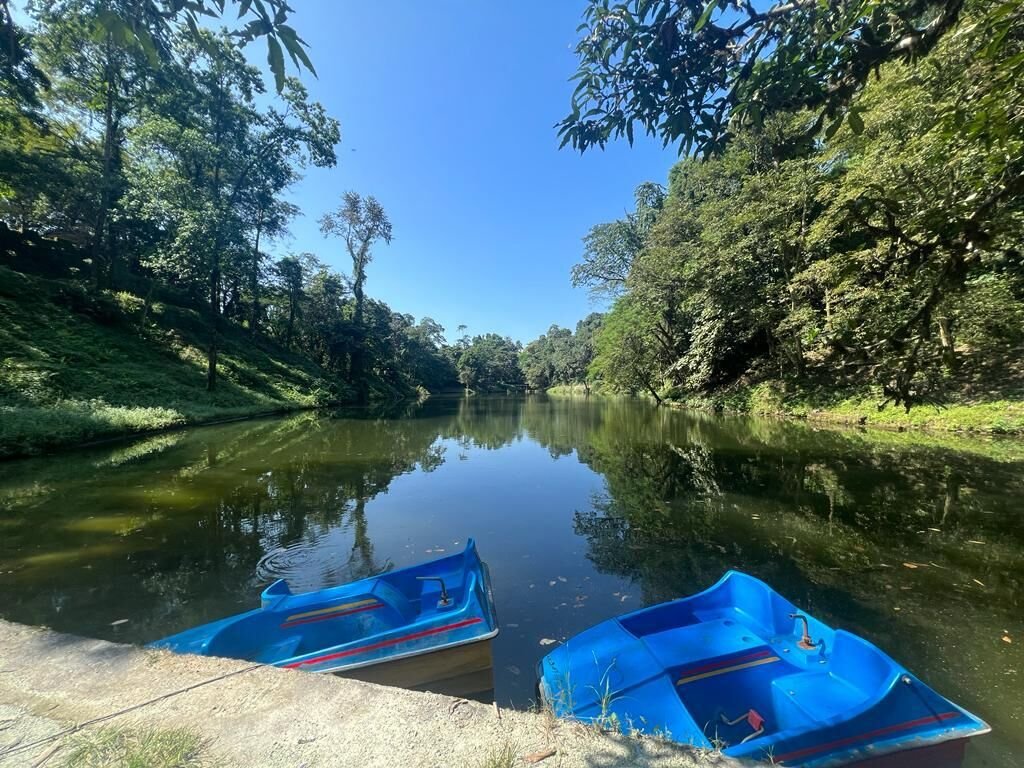
Arunachal Pradesh has recorded a sharp decline in its documented water bodies, according to the Second Census of Water Bodies released by the Union government. The Arunachal Pradesh water bodies decline reached 50%, making it the second-highest reduction among the states covered by the latest census.
The number of recorded water bodies in the state fell from 993 in the first census to 499 in the second. Mizoram recorded the largest decline at 63%, while Jharkhand, Telangana and Rajasthan also reported reductions.
The findings come from Volume II, Part II of the Second Census of Water Bodies, which covers 19 states and the Union Territories of Chandigarh and Jammu and Kashmir.
Mizoram Water Bodies Plunge 63% in Second Central Water Census
Arunachal Pradesh Water Bodies Decline Reaches 50%
The Arunachal Pradesh water bodies decline represents a reduction of 494 recorded water bodies compared with the first census. The earlier exercise identified 993 water bodies, whereas the latest census lists 499.
This represents a decline of about 49.7%, which the Union government’s published findings round to 50%. Consequently, Arunachal Pradesh ranks second among the states that recorded declining numbers.
Mizoram recorded the sharpest reduction, with its count falling from 2,185 to 808. That represents a 63% decline. Jharkhand recorded a 19% reduction, while Telangana’s water-body count fell by 16.19%.
However, the census figures should not automatically be interpreted as proof that 494 physical water bodies disappeared from Arunachal Pradesh. The exercise records identified water bodies, and differences in enumeration, classification and other factors can influence comparisons between two census exercises.
Therefore, the 50% reduction highlights a significant change in the documented inventory, but further state-level analysis would be necessary to establish the reasons behind the difference.
First Census Recorded 993 Water Bodies
The Arunachal Pradesh water bodies decline becomes clearer when compared with findings from the first census. The earlier exercise recorded 993 water bodies across the state.
Of these, 893 were located in rural areas, while 100 were in urban areas. The first census also found that 739 water bodies were privately owned and 254 were under public ownership.
Moreover, 988 of the 993 recorded water bodies were located in tribal areas. Ponds formed the largest category, followed by tanks, lakes, reservoirs and water-conservation structures.
The first census also reported that 865 water bodies, or 87.1%, were in use. The remaining 128 were classified as not in use because of drying, siltation or other reasons.
Among the water bodies that remained in use, pisciculture accounted for a major share of usage. The first census reported that 679 of the 865 water bodies in use served pisciculture purposes.
These figures provide important background for assessing the latest count. They show that Arunachal Pradesh’s documented water bodies served several purposes, ranging from fisheries to local water management.
Second Census Expands Water Resource Database
The Arunachal Pradesh water bodies decline has emerged from a broader national exercise intended to improve information about India’s water resources. The first Census of Water Bodies used 2017-18 as its reference period.
The second census was launched in April 2025, using 2023-24 as its reference year. The Union government has conducted the exercise alongside the Seventh Minor Irrigation Census and other water-resource surveys.
Enumerators collect information on water bodies at the village level. The digital process records details including location, characteristics and images of individual water bodies.
Additionally, the census covers ownership, condition, use, storage capacity, filling status and encroachment. This broader dataset allows authorities to compare water resources across different states and regions.
Union Jal Shakti Minister C. R. Patil has said the published data will help states and other stakeholders undertake comparable analysis against the first census.
Consequently, the latest figures can provide a basis for reviewing changes in local water resources. They can also help policymakers identify areas that require closer examination.
Northeast States Show Contrasting Trends
The Arunachal Pradesh water bodies decline stands out because several northeastern states recorded different results in the second census. Mizoram and Arunachal Pradesh both reported substantial reductions, while the wider dataset includes states with increases.
The second census covers Arunachal Pradesh, Manipur, Meghalaya, Mizoram, Nagaland and Tripura, among other states. The results therefore provide an opportunity to examine water-resource patterns across the Northeast.
The contrasting numbers also show why census data requires careful interpretation. A sharp increase in one state and a sharp decrease in another can result from several factors beyond physical changes in water resources.
For example, the census methodology involves identifying water bodies within villages and collecting location and image data through a digital application. Enumerators also classify the recorded resources according to specified categories.
Therefore, comparisons between the first and second exercises should consider the methodology as well as the headline figures.
At the same time, the large decline recorded in Arunachal Pradesh warrants attention. A detailed review of individual water bodies could help determine whether changes resulted from physical loss, reclassification, enumeration differences or other factors.
Water Resource Planning Gains Importance
The Arunachal Pradesh water bodies decline provides a new reference point for water-resource planning in the state. The latest inventory can help authorities compare current records with the earlier database.
Such comparisons could identify water bodies that no longer appear in the latest inventory. Officials could then examine their present status and determine whether conservation, restoration or updated classification is required.
Furthermore, the first census showed that most recorded water bodies in Arunachal Pradesh were in use. A significant share supported pisciculture, while other water bodies served different local purposes.
The latest database contains additional information that can support future planning. Authorities can examine the condition, ownership and usage patterns of the recorded resources and compare them with earlier findings.
However, the 50% decline alone does not establish a specific cause. No single explanation should be assigned without further evidence from the census dataset and state-level assessment.
Meanwhile, the national census provides a structured baseline for such an assessment. Continued monitoring could help determine whether future inventories show further changes or stabilisation.
Central Census Highlights Need for Further Assessment
The Arunachal Pradesh water bodies decline is one of the most significant findings from the second national water-body census. The recorded total dropped from 993 to 499, placing Arunachal Pradesh behind only Mizoram among states reporting declines.
The findings do not, however, provide enough information to conclude that 494 physical water bodies have disappeared. Instead, they identify a major change in the number of water bodies documented through the two census exercises.
Further examination of the state-level records could clarify the reasons for the reduction. Such analysis could include comparisons of individual water bodies, locations, categories, ownership and present condition.
Moreover, the digital methodology used for the second census provides more detailed information for future comparisons. The government says the data will support planning and policymaking related to water bodies.
Consequently, the latest figures can serve as an important starting point for Arunachal Pradesh to review its water-resource inventory and identify areas requiring closer monitoring.
Conclusion
The Arunachal Pradesh water bodies decline has reached 50% in the Second Census of Water Bodies, with the recorded number falling from 993 to 499. The state registered the second-largest decline among the states covered by the latest report.
The first census found that most of Arunachal Pradesh’s recorded water bodies were in use, with pisciculture forming a major use. The second census now provides an updated inventory with broader information about water resources.
However, the 50% reduction should not automatically be treated as evidence that an equal number of physical water bodies disappeared. Further analysis of the underlying records will be necessary to understand the reasons for the change and its implications for water-resource management.
FAQs
What does the Arunachal Pradesh water bodies decline show?
The Arunachal Pradesh water bodies decline shows that the number of recorded water bodies fell from 993 in the first census to 499 in the second, representing a decline of about 50%.
How many water bodies did Arunachal Pradesh record in the first census?
The first Census of Water Bodies recorded 993 water bodies in Arunachal Pradesh. Of these, 893 were in rural areas and 100 were in urban areas.
How many water bodies are recorded in the second census?
The second Census of Water Bodies records 499 water bodies in Arunachal Pradesh.
Does the 50% decline mean that 494 water bodies disappeared?
Not necessarily. Census counts can change because of differences in enumeration, classification and other factors. Further analysis is needed to determine the reasons behind the reduction.
What was the main use of Arunachal Pradesh’s water bodies in the first census?
The first census found that 865 water bodies were in use. Among them, 679 were used for pisciculture, making fisheries one of the major recorded uses.