

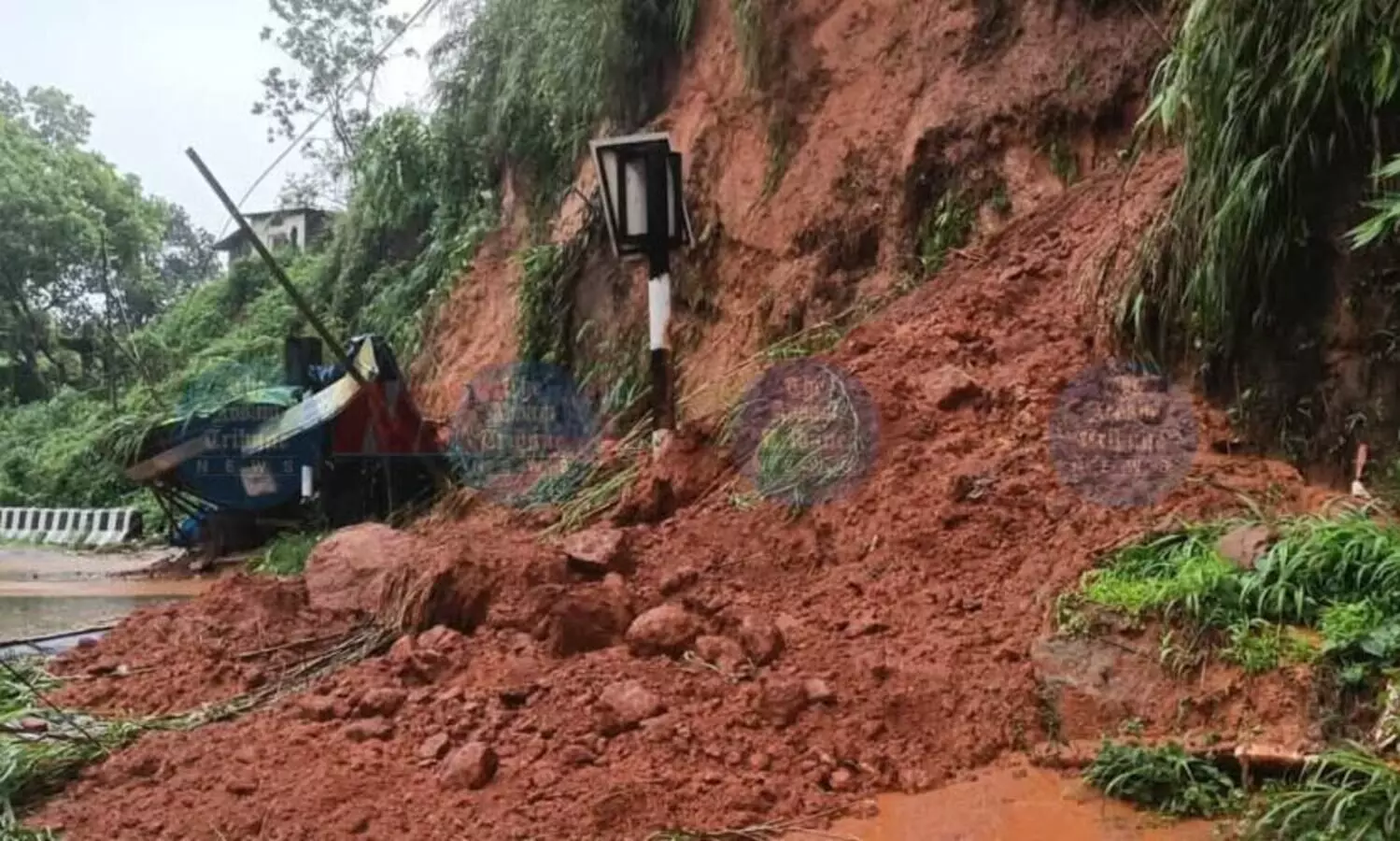
The Landslide Risks in Guwahati have come under renewed focus after the Assam State Disaster Management Authority (ASDMA) identified 366 landslide-prone locations across the city. Chunsali has emerged as the most vulnerable area, while authorities have urged residents to report signs of slope instability to prevent potential disasters.
Authorities Arrest 10 in Major Narcotics Operation, Move Against Illegal Railway Land Encroachments
Manipur Police Warn Armed Miscreants as Joint Team Seizes 15.35 Kg Opium from Fake Army Vehicle
The Landslide Risks in Guwahati have drawn attention following the identification of 366 vulnerable sites by the Assam State Disaster Management Authority (ASDMA). Moreover, Chunsali has been listed as the most landslide-prone area in the city. Authorities have also appealed to residents to report any signs of slope instability, thereby emphasizing the importance of community participation in disaster prevention and risk management.
Landslide Risks in Guwahati Highlighted by ASDMA
The Landslide Risks in Guwahati have become a major concern after ASDMA released information regarding vulnerable locations across the city. Furthermore, the authority identified 366 sites that require close monitoring, particularly during periods of heavy rainfall.
Urban areas surrounded by hills often face challenges related to soil erosion and unstable slopes. Consequently, authorities regularly assess vulnerable regions to minimize risks.
Moreover, early identification of danger zones helps improve preparedness. Therefore, the latest findings have reinforced the importance of preventive measures.
Chunsali Emerges as the Most Vulnerable Area
According to the ASDMA assessment, Chunsali tops the list of areas facing Landslide Risks in Guwahati. Furthermore, the locality requires heightened vigilance due to its susceptibility to slope instability.
Hilly settlements often experience greater exposure to natural hazards. Similarly, changing weather patterns and heavy rainfall can increase the likelihood of landslides.
Consequently, authorities have stressed the need for regular monitoring in vulnerable areas. Thus, Chunsali has become a priority location for disaster management efforts.
Authorities Urge Residents to Report Slope Instability
As part of efforts to address the Landslide Risks in Guwahati, ASDMA has encouraged residents to report any signs of slope instability. Moreover, community participation can play a crucial role in preventing disasters.
Visible cracks, soil movement, and unusual changes in terrain are often considered warning signs. Additionally, timely reporting enables authorities to respond more effectively.
Consequently, cooperation between residents and disaster management agencies remains essential. Therefore, public awareness has become an important aspect of risk mitigation.
Monsoon Season Increases Landslide Concerns
The Landslide Risks in Guwahati become more pronounced during the monsoon season. Furthermore, heavy rainfall often contributes to soil erosion and weakens hill slopes.
Weather-related factors frequently influence the stability of hilly terrain. Similarly, prolonged rainfall can increase the possibility of slope failures.
Moreover, preventive measures and timely monitoring are crucial during this period. Thus, authorities continue to focus on preparedness and public awareness.
Disaster Preparedness Remains a Priority
The Landslide Risks in Guwahati underscore the importance of effective disaster management and preparedness. Furthermore, agencies regularly conduct assessments and awareness campaigns to minimize potential damage.
Preparedness measures often involve coordination among various departments and local communities. Consequently, early warning systems and rapid response mechanisms play vital roles.
Additionally, informed communities are better equipped to respond to emergencies. Therefore, disaster preparedness continues to remain a priority for authorities.
Community Participation Can Help Reduce Risks
Addressing the Landslide Risks in Guwahati requires active involvement from residents and local authorities. Moreover, public awareness and timely reporting can contribute significantly to reducing hazards.
Communities often serve as the first line of observation in identifying warning signs. Similarly, cooperation between citizens and disaster management agencies strengthens resilience.
Consequently, authorities have emphasized the need for greater public engagement. Thus, community participation remains an important element of disaster risk reduction.
Conclusion
The Landslide Risks in Guwahati have gained attention after ASDMA identified 366 vulnerable sites across the city, with Chunsali emerging as the most susceptible area. The findings underline the need for continued monitoring and preventive measures, especially during the monsoon season.
Moreover, authorities have urged residents to report signs of slope instability, highlighting the importance of community participation in disaster preparedness. Consequently, cooperation between citizens and agencies will be essential in minimizing potential threats.
Looking ahead, regular assessments, public awareness, and timely interventions will remain crucial in addressing the Landslide Risks in Guwahati. Therefore, the latest assessment serves as an important reminder of the need for vigilance and preparedness.
FAQs
1. What are the Landslide Risks in Guwahati?
The Landslide Risks in Guwahati refer to vulnerable areas identified by ASDMA where landslides are more likely to occur.
2. How many landslide-prone sites have been identified?
ASDMA has identified 366 landslide-prone locations across Guwahati.
3. Which area is considered the most vulnerable?
Chunsali has been identified as the most vulnerable area.
4. Why are landslides a concern during the monsoon?
Heavy rainfall can weaken slopes and increase the likelihood of landslides.
5. What has ASDMA advised residents to do?
The authority has urged residents to report signs of slope instability to help prevent disasters.