


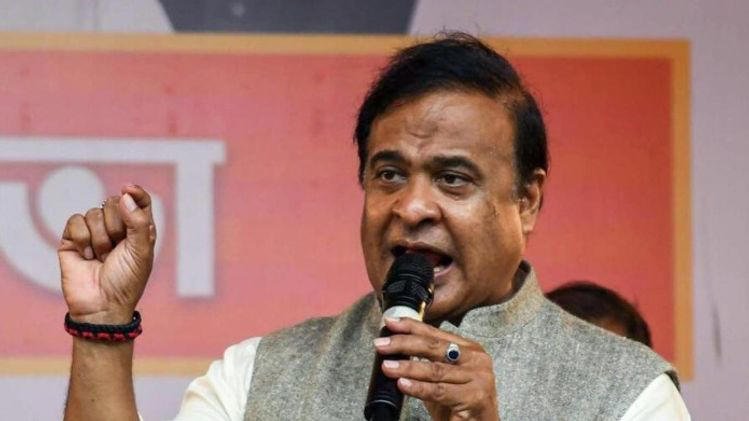
Assam Chief Minister Himanta Biswa Sarma has set an ambitious target of reducing the state’s Below Poverty Line (BPL) population to less than 3 per cent over the next five years, underscoring the government’s commitment to poverty alleviation, economic growth, and inclusive development. The Chief Minister said the goal reflects Assam’s improving socio-economic indicators and the impact of welfare initiatives aimed at uplifting vulnerable sections of society.
Speaking at a public event, Sarma highlighted the progress made by the state in reducing poverty levels and improving access to education, healthcare, housing, and livelihood opportunities. He expressed confidence that continued investments in social welfare, infrastructure, and employment generation would help Assam achieve the target within the stipulated timeframe.
The announcement comes as the state government intensifies efforts to accelerate development and improve living standards across both urban and rural areas.
Ambitious Goal for Poverty Reduction
The Chief Minister stated that Assam has witnessed significant socio-economic transformation over the past few years, creating favorable conditions for further poverty reduction.
According to Sarma, the government’s objective is to ensure that economic growth translates into tangible benefits for ordinary citizens, particularly those belonging to economically weaker sections.
Reducing the BPL population to below 3 per cent would represent a major achievement in the state’s development journey. Officials believe the target is achievable through a combination of welfare programmes, infrastructure development, skill enhancement initiatives, and employment opportunities.
The Chief Minister emphasized that poverty alleviation remains one of the government’s highest priorities.
He noted that sustained efforts would be required to ensure that all sections of society benefit from development.
Welfare Schemes Driving Change
A major factor behind the state’s poverty reduction strategy is the implementation of various welfare programmes aimed at improving the quality of life for low-income households.
The government has introduced initiatives related to housing, healthcare, financial assistance, education, and social security. These programmes seek to provide direct support to vulnerable families while creating pathways toward long-term economic stability.
Officials stated that targeted welfare measures have helped improve living conditions and expand access to essential services.
The Chief Minister noted that welfare schemes are designed not only to provide immediate relief but also to empower families to become self-reliant.
The government intends to further strengthen these initiatives as part of its poverty eradication efforts.
Focus on Employment Generation
Employment creation remains a key pillar of Assam’s development strategy. The Chief Minister stressed that sustainable poverty reduction depends on expanding economic opportunities and generating jobs across various sectors.
The state has been promoting investments in industries such as manufacturing, agriculture, tourism, information technology, and infrastructure development.
Officials believe that job creation can significantly improve household incomes and reduce dependence on welfare assistance over time.
Skill development programmes have also been launched to improve employability and prepare young people for emerging opportunities in the labour market.
According to Sarma, economic empowerment through employment remains essential for achieving lasting social progress.
Rural Development Plays Crucial Role
A substantial portion of Assam’s population resides in rural areas, making rural development a central component of poverty reduction efforts.
The government has invested in road connectivity, irrigation facilities, agricultural support programmes, and rural infrastructure projects aimed at improving livelihoods.
Officials noted that better infrastructure enhances access to markets, healthcare services, educational institutions, and economic opportunities.
Agriculture continues to play an important role in the state’s economy, and initiatives supporting farmers are expected to contribute to income growth in rural communities.
The Chief Minister emphasized that rural prosperity is critical for achieving broader development goals.
Improving Access to Healthcare
Healthcare remains an important element of the government’s strategy to reduce poverty. Medical expenses often place significant financial burdens on low-income households, making access to affordable healthcare essential.
The state government has expanded healthcare infrastructure and implemented schemes designed to improve access to medical services.
Officials stated that investments in healthcare not only improve public well-being but also contribute to economic stability by reducing out-of-pocket expenses.
The Chief Minister highlighted the importance of ensuring that every citizen has access to quality healthcare regardless of financial status.
Improved health outcomes are viewed as a key factor in strengthening human development indicators.
Education as a Tool for Economic Mobility
Education continues to be a major focus area in Assam’s development agenda. The government believes that improving educational access and quality can create opportunities for upward social and economic mobility.
Officials have implemented programmes aimed at strengthening schools, expanding educational infrastructure, and supporting students from disadvantaged backgrounds.
The Chief Minister stated that education plays a transformative role in breaking cycles of poverty and creating pathways toward better livelihoods.
Investments in education are expected to produce long-term benefits by enhancing workforce capabilities and supporting economic growth.
The government remains committed to expanding opportunities for students across the state.
Infrastructure Development Supports Growth
Infrastructure development has emerged as a major driver of economic progress in Assam. Roads, bridges, airports, rail networks, and digital connectivity projects have contributed to improved accessibility and investment potential.
The Chief Minister noted that infrastructure investments create employment opportunities while strengthening the foundation for future economic growth.
Improved connectivity facilitates trade, tourism, industrial development, and access to essential services.
Officials believe that sustained infrastructure expansion will continue to support poverty reduction efforts by creating new economic opportunities across the state.
The government plans to maintain its focus on infrastructure development in the coming years.
Economic Growth and Inclusive Development
The Chief Minister emphasized that economic growth must be inclusive and benefit all sections of society. While Assam has recorded progress in various sectors, ensuring equitable distribution of opportunities remains a key objective.
Officials stated that inclusive development requires coordinated efforts across multiple sectors, including education, healthcare, employment, agriculture, and social welfare.
The government aims to create an environment where economic progress translates into improved living standards for every citizen.
Sarma reiterated that development initiatives would continue to focus on reaching marginalized and economically weaker communities.
The target of reducing the BPL population is therefore closely linked to broader goals of social and economic inclusion.
Challenges Ahead
Despite the optimistic outlook, officials acknowledge that achieving the target will require sustained effort and effective implementation of development programmes.
Economic uncertainties, climate-related challenges, and regional disparities remain factors that could influence progress.
The government has indicated that regular monitoring and policy adjustments will be necessary to ensure that poverty reduction initiatives remain effective.
Experts note that long-term success will depend on maintaining economic growth while strengthening social support systems and employment opportunities.
The Chief Minister expressed confidence that Assam is well-positioned to overcome these challenges and continue its development trajectory.
Looking Ahead
Assam Chief Minister Himanta Biswa Sarma’s goal of reducing the state’s BPL population to below 3 per cent within the next five years reflects an ambitious vision for economic and social transformation. Through welfare programmes, employment generation, rural development, healthcare expansion, education initiatives, and infrastructure investments, the government aims to create conditions that support sustainable poverty reduction.
The target underscores Assam’s commitment to inclusive development and improving the quality of life for its citizens. While challenges remain, officials believe that continued policy focus and effective implementation can help the state achieve significant progress.
As Assam advances its development agenda, the success of poverty alleviation efforts will remain a key indicator of the state’s socio-economic achievements. The coming years are expected to play a crucial role in determining whether the ambitious target can be realized and translated into lasting benefits for millions of people across the state.