


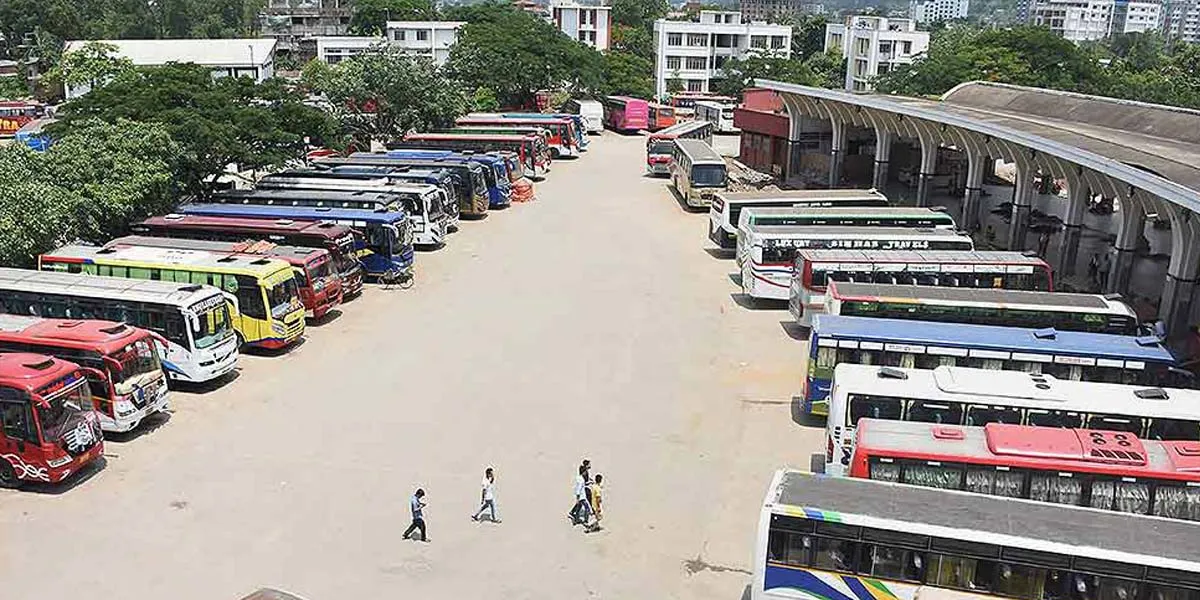
The Assam State Driver Union declined to participate in the proposed 48-hour statewide transport strike scheduled for November 20–22, 2026. In a statement issued on November 19, the union said daily-wage drivers could not afford to lose their earnings through a prolonged chakka bandh. It also argued that transport shutdowns would not resolve the long-standing problems facing drivers. Meanwhile, other motor owners’ and workers’ associations had called the proposed strike to demand fare revisions, social security benefits and relief from alleged harassment and penalties. However, those organisations later withdrew the bandh after receiving assurances from the state Transport Department.
Tripura: Radhacharan Debbarma Criticises BJP Government Over Civic Issues During AMC Poll Campaign
Assam State Driver Union Opposes the Bandh
The Assam State Driver Union rejected the proposed work stoppage in a press release issued on November 19.
The union argued that drivers should not have to sacrifice their daily income to support a shutdown. Many drivers depend on regular trips to pay vehicle instalments, purchase fuel and meet household expenses.
It also questioned the approach of organisations calling for the strike. According to the union, bandhs and road blockades do not provide lasting solutions to the economic insecurity and exploitation faced by drivers.
The organisation called for a more practical and result-oriented approach to resolving transport workers’ problems.
Its position highlighted the financial difficulties of drivers who earn according to the number of trips they complete each day.
Daily-Wage Drivers Face Financial Pressure
The union’s main concern centred on the loss of daily earnings during a transport shutdown.
Many commercial drivers operate on tight budgets. They must cover fuel costs, vehicle maintenance, loan repayments and family expenses from their daily income.
A two-day work stoppage could therefore create immediate financial difficulties for drivers without fixed salaries or guaranteed compensation.
The union maintained that drivers should not become participants in protests that could worsen their existing financial problems.
It also raised concerns about the challenges faced by app-based drivers, including economic insecurity and alleged exploitation.
The statement questioned whether the organisations supporting the strike had adequately addressed these issues before asking drivers to stop working.
Transport Associations Had Raised Four Major Demands
The proposed statewide chakka bandh was called by transport owners’ and workers’ organisations seeking government intervention.
Their demands reflected financial and administrative difficulties across Assam’s private transport sector.
The organisations sought implementation of the Assam Transport Workers Social Security Scheme. They also demanded a 70% increase in passenger fares, arguing that operating costs had risen while fares remained unchanged since 2019.
Another demand concerned alleged harassment of motor workers and relief from rising taxes, toll charges and traffic penalties.
The associations also wanted commercial vehicle fitness certificates issued through District Transport Officer offices across Assam. They argued that decentralising the process would make certification easier for vehicle owners.
These demands formed the basis of the proposed 48-hour shutdown scheduled from 6 am on November 20 to 6 am on November 22.
Transport Department Talks Lead to Strike Withdrawal
The proposed bandh did not proceed as originally announced.
Representatives of motor owners’ and workers’ associations met officials from the Assam Transport Department at the Transport Commissioner’s office on November 19.
Following the discussions, the participating organisations agreed to withdraw the strike after receiving assurances from the department.
The government reportedly offered a one-month relaxation on fines linked to Speed Limiting Device violations and pending penalties.
Officials also assured the organisations that their passenger fare revision demand would receive consideration within a month.
Another assurance concerned commercial vehicle fitness certificates. The department agreed to facilitate the process through District Transport Officer offices in every district.
The organisations said they could reconsider their agitation if the government failed to address the outstanding demands within the promised period.
Driver Union’s Position Highlights Differences Within Transport Sector
The Assam State Driver Union’s decision revealed differences among groups representing the state’s transport workforce.
While some associations supported a statewide shutdown to press their demands, the driver union argued that such action could directly hurt daily-wage earners.
The disagreement also reflected different priorities within the sector. Vehicle owners and associations focused on operating costs, passenger fares and administrative procedures.
Meanwhile, the driver union emphasised income security and the immediate financial consequences of stopping work.
Both positions reflected concerns about the economic conditions facing transport workers and operators.
The developments also showed the importance of considering drivers’ individual circumstances when transport organisations plan collective protests.
Assam’s Transport Sector Awaits Follow-Up Action
The withdrawal of the proposed strike provided temporary relief to commuters and commercial transport operators.
However, the underlying demands remain important to the sector. Fare revision, social security benefits, penalties and fitness certification continue to influence the financial conditions of transport businesses and workers.
The Transport Department’s assurances created an opportunity for further discussions and administrative action.
The next month will be important for assessing whether the government delivers on its commitments.
Meanwhile, the Assam State Driver Union’s position has brought attention to the need for solutions that protect daily earnings while addressing wider transport-sector concerns.
Conclusion
The Assam State Driver Union rejected the proposed 48-hour chakka bandh, arguing that daily-wage drivers could not afford to lose two days of earnings. The union called for practical solutions instead of work stoppages. Separately, transport owners’ and workers’ associations withdrew their proposed strike after the Transport Department offered assurances on fare revision, Speed Limiting Device penalties and vehicle fitness certification. Although the shutdown was scheduled for November 20–22, the withdrawal came before its planned start. The episode highlights the different priorities within Assam’s private transport sector.
FAQs
1. Why did the Assam State Driver Union reject the transport strike?
The union said daily-wage drivers could not afford to lose their earnings during a 48-hour shutdown.
2. When was the union’s decision announced?
The Assam State Driver Union issued its statement on November 19, 2026.
3. When was the proposed Assam transport strike scheduled?
The proposed chakka bandh was scheduled from 6 am on November 20 to 6 am on November 22, 2026.
4. What were the main demands behind the proposed strike?
The associations demanded social security benefits, a 70% fare increase, relief from alleged harassment and penalties, and decentralised vehicle fitness certification.
5. Was the 48-hour strike carried out?
No. The participating transport organisations withdrew the proposed shutdown on November 19 after talks and assurances from the Transport Department.
6. What assurances did the Assam Transport Department provide?
The department offered a one-month relaxation on certain Speed Limiting Device fines, promised to consider fare revisions within a month and agreed to facilitate fitness certification through district transport offices.