


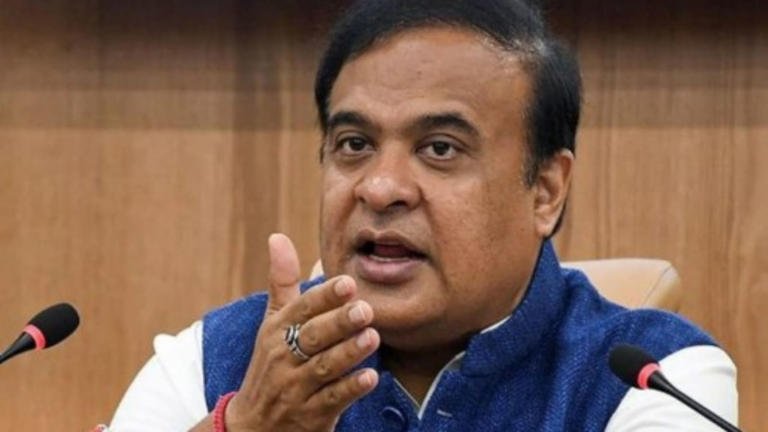
Exit poll projections from Assam have triggered intense debate over the factors shaping voter preferences. One key question dominates the discussion: did the “no compromise” stance of Chief Minister Himanta Biswa Sarma on illegal infiltration give the Bharatiya Janata Party (BJP) a decisive edge?
While final results will determine the actual outcome, early trends indicate that issues related to border security, identity, and governance played a significant role in influencing voters. Moreover, the BJP’s consistent messaging on infiltration appears to have resonated with a section of the electorate.
Read More: Nagaland Conducts Mega Mock Drill on Earthquake Preparedness
At the same time, opposition parties have raised concerns about the framing of the issue. Therefore, the debate reflects both political strategy and public sentiment in Assam’s evolving landscape.
Understanding the Exit Poll Trends
Exit polls provide an initial snapshot of voter behavior. In Assam, these projections suggest a competitive contest, although some polls indicate an advantage for the BJP.
Analysts point out that multiple factors influence these trends. However, the emphasis on illegal infiltration has emerged as a central theme. The BJP has repeatedly highlighted this issue during its campaign, linking it to security and demographic concerns.
Furthermore, voters appear to have responded to strong leadership messaging. Himanta Biswa Sarma’s assertive stance created a clear narrative that the party used effectively.
Nevertheless, exit polls are not definitive. They can indicate trends, but final results may differ. Therefore, caution remains necessary when interpreting these projections.
Himanta Biswa Sarma’s “No Compromise” Approach
Himanta Biswa Sarma has consistently taken a firm position on the issue of illegal infiltration, particularly from Bangladesh. He has emphasized strict enforcement of laws and stronger border management.
This approach aligns with the BJP’s broader political narrative. It focuses on national security, identity, and governance. As a result, the party has used the issue as a key campaign point in Assam.
Supporters argue that this stance addresses genuine concerns among residents. They believe that controlling illegal infiltration is essential for maintaining social and economic balance.
On the other hand, critics caution against oversimplifying complex issues. They emphasize the need for balanced policies that consider humanitarian aspects as well.
Impact on Voter Sentiment
The Assam exit poll trends suggest that the infiltration issue influenced voter sentiment in several constituencies. In border areas, in particular, the topic gained prominence during the campaign.
Voters often prioritize issues that directly affect their daily lives. Therefore, concerns about security and identity can shape electoral choices.
Additionally, the BJP’s messaging created a sense of clarity. By presenting a strong stance, the party positioned itself as decisive and action-oriented. This may have appealed to voters seeking stability and leadership.
However, voter behavior is rarely influenced by a single factor. Economic development, welfare schemes, and local issues also play important roles. Consequently, the overall impact of the infiltration issue must be viewed within a broader context.
Opposition’s Response and Counter Narrative
Opposition parties have challenged the BJP’s narrative on infiltration. They argue that the issue has been politicized and used to polarize voters.
Instead, opposition leaders have focused on development, employment, and governance. They have attempted to shift the conversation toward economic priorities.
Moreover, critics have questioned the effectiveness of existing policies. They argue that strong rhetoric must translate into tangible results.
Despite these arguments, the BJP’s messaging appears to have maintained its influence. Exit poll trends indicate that the party’s narrative has found support among a significant section of voters.
Regional Dynamics and Electoral Strategy
Assam’s political landscape is shaped by regional dynamics and historical factors. Issues related to identity and migration have long influenced politics in the state.
The BJP has strategically positioned itself on these issues. By emphasizing infiltration, the party has connected with long-standing concerns.
At the same time, it has combined this approach with development initiatives. This dual strategy aims to address both emotional and practical aspects of governance.
Furthermore, the party’s organizational strength has supported its campaign efforts. Strong grassroots networks and effective communication have amplified its message.
What the Trends Suggest for BJP
If exit poll trends hold, the BJP may benefit from its focused campaign strategy. The emphasis on infiltration, combined with leadership projection, appears to have strengthened its position.
However, the extent of this advantage will depend on final results. Electoral outcomes often reflect a combination of factors, including turnout and local dynamics.
Analysts also note that voter expectations remain high. Even if the BJP gains an edge, it will need to deliver on its promises.
Moreover, governance after elections will play a crucial role in shaping future political outcomes. Therefore, the party’s performance in office will remain under scrutiny.
Broader Implications for Assam Politics
The prominence of the infiltration issue in exit polls highlights its continued relevance in Assam politics. It underscores the importance of identity and security concerns among voters.
At the same time, it raises questions about the balance between political messaging and policy implementation. Addressing complex issues requires both strong leadership and practical solutions.
The debate also reflects the evolving nature of electoral politics. Parties must adapt to changing voter priorities while maintaining consistent narratives.
In addition, the role of exit polls in shaping public perception cannot be ignored. They influence discussions and expectations, even before official results are declared.
Conclusion
The Assam exit poll trends have brought attention to Himanta Biswa Sarma’s “no compromise” stance on illegal infiltration. While it appears to have contributed to the BJP’s perceived edge, it is only one part of a larger electoral picture.
Voter decisions reflect a mix of security concerns, development priorities, and leadership perceptions. Therefore, the final outcome will depend on how these factors interact.
As Assam awaits official results, the debate over campaign strategies and voter sentiment continues. Regardless of the outcome, the election highlights the importance of addressing both immediate concerns and long-term development goals.
Read More: Storms Lash Tripura, Two Killed and Four Injured Amid Widespread Damage