

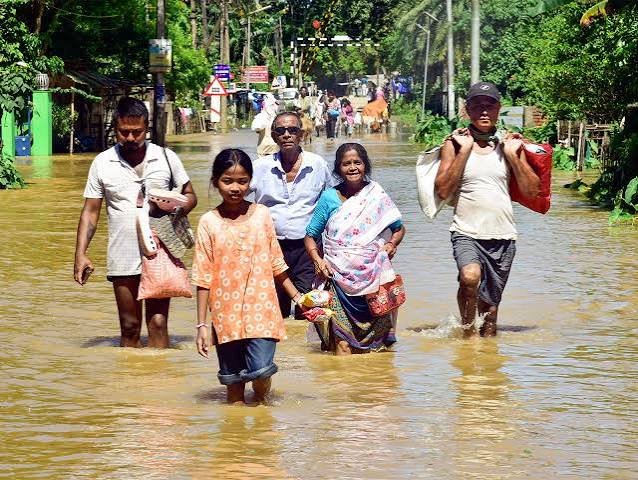
The Assam Flood Toll has climbed to 95 as the official death toll from the current monsoon wave rose across the state. The latest figure highlights the continuing human impact of severe monsoon conditions that have affected communities across Assam.
The Assam Flood Toll update comes as authorities continue monitoring flood-affected areas and responding to weather-related emergencies. Rising rivers, inundated settlements, damaged roads, and disrupted essential services have created difficult conditions for residents in several parts of the state.
Tourism App Launch (SK): Sikkim Introduces Single-Window App for Domestic Travel Permits
The death toll provides a stark measure of the severity of the current monsoon situation. Moreover, the figure underscores the need for continued disaster response, relief operations, and close monitoring of vulnerable communities.
Authorities and local teams continue working to assess the situation and provide assistance where required. Therefore, emergency preparedness remains a key priority as monsoon conditions continue across Assam.
The latest development also highlights the broader challenges that recurring floods create for infrastructure, transportation, agriculture, and public services. Additionally, timely warnings and coordinated relief operations can help communities respond more effectively to changing conditions.
Assam Flood Toll Reaches 95 During Current Monsoon Wave
The Assam Flood Toll has now reached 95, according to the latest information available on the current monsoon wave. The figure represents people who have lost their lives amid the severe weather conditions affecting the state.
Moreover, the rising death toll demonstrates the seriousness of the ongoing monsoon situation. Flooding can rapidly change conditions in low-lying areas, particularly when rivers rise and heavy rainfall continues over several days.
Communities across Assam regularly face seasonal flooding because of the state’s extensive river network and low-lying terrain. Consequently, prolonged rainfall can create widespread pressure on roads, bridges, homes, agricultural fields, and public infrastructure.
The latest toll also reinforces the importance of accurate reporting during a major weather emergency. Furthermore, official figures help authorities coordinate relief measures and identify areas requiring additional support.
The available information confirms the death toll of 95 but does not provide a district-wise breakdown of fatalities. It also does not specify how many deaths resulted from flooding, landslides, drowning, or other monsoon-related incidents.
Relief Operations Continue as Assam Flood Toll Rises
The Assam Flood Toll has increased as the state continues to deal with the effects of the current monsoon wave. Authorities and disaster-response teams remain responsible for assessing affected areas and supporting communities facing difficult conditions.
Additionally, local administrations play an important role in coordinating relief activities and communicating safety information to residents. This work becomes especially important when floodwaters disrupt transportation and access to essential services.
Rescue and relief operations often require coordination between district administrations, emergency personnel, community groups, and other response agencies. Meanwhile, residents in vulnerable locations depend on timely information to make informed safety decisions.
The growing toll also places greater attention on emergency preparedness. Therefore, authorities need reliable communication systems, accessible relief facilities, and rapid assessment mechanisms during severe weather events.
The available information does not provide details about the number of people currently displaced, relief camps operating across Assam, or the financial value of assistance distributed during the current monsoon wave.
As conditions evolve, officials are expected to continue monitoring flood levels and assessing the needs of affected communities.
Assam Flood Toll Highlights Wider Monsoon Impact
The Assam Flood Toll represents only one part of the wider impact caused by the current monsoon conditions. Flooding can affect agriculture, transportation, electricity, drinking water supplies, education, and local businesses.
Moreover, repeated flooding can create long-term economic pressure on families whose homes, crops, livestock, or livelihoods face damage. Consequently, recovery often requires sustained assistance even after floodwaters begin to recede.
Road and bridge disruptions can further complicate emergency responses. Furthermore, damaged transportation links can make it harder for relief teams to reach isolated communities and for residents to access healthcare and essential supplies.
The situation also highlights Assam’s continuing challenge of managing seasonal flood risks. Effective flood management requires coordination between weather monitoring, river management, infrastructure planning, emergency response, and community preparedness.
At the same time, accurate information remains essential during a developing disaster. Authorities, media organizations, and local communities need reliable updates to prevent confusion and ensure that assistance reaches those who need it most.
The current death toll of 95 therefore serves as a significant indicator of the severity of this monsoon wave. However, the final impact may change as authorities continue assessments and update official figures.
Conclusion
The Assam Flood Toll has climbed to 95, marking a significant human cost from the current monsoon wave across the state. The latest figure underscores the severity of the ongoing weather situation and the challenges faced by communities dealing with flooding and other monsoon-related disruptions.
Furthermore, the rising toll highlights the importance of coordinated disaster management, timely warnings, and effective relief operations. Authorities must continue monitoring vulnerable areas while assessing the needs of affected residents and strengthening emergency response systems.
The situation also demonstrates why long-term flood resilience remains important for Assam. Improved drainage, stronger infrastructure, reliable forecasting, effective river management, and community preparedness can all contribute to reducing future risks.
Meanwhile, accurate and regularly updated official information will remain essential as the current monsoon wave continues. The Assam Flood Toll of 95 provides a sobering measure of the disaster’s impact, while ongoing relief and recovery efforts will remain crucial for affected communities across the state.
FAQs
1. What is the latest Assam Flood Toll?
The Assam Flood Toll from the current monsoon wave has climbed to 95 across the state.
2. What caused the rise in the death toll?
The available information attributes the fatalities to the current monsoon wave but does not provide a detailed breakdown of individual causes.
3. Is the death toll final?
The figure represents the current official toll. Authorities may revise it as they continue assessing affected areas and verifying information.
4. Which districts have recorded the most fatalities?
The available information does not provide a district-wise breakdown of the 95 deaths.
5. Why is monitoring important during the Assam floods?
Continuous monitoring helps authorities identify vulnerable areas, coordinate emergency responses, provide warnings, and direct relief assistance to affected communities.