

The Assam Japanese Encephalitis Cases reported this year have prompted health authorities to strengthen surveillance and emergency response measures across the state. The National Health Mission (NHM) has confirmed seven deaths linked to Japanese Encephalitis (JE) and 32 deaths associated with Acute Encephalitis Syndrome (AES) since the beginning of the year. In response, the state health department has initiated strict hospital preparedness drills to improve patient management and ensure rapid treatment during the peak transmission season. Officials are also intensifying public awareness campaigns and vector-control activities to reduce the risk of further infections in vulnerable districts.
Ambubachi Mela Preparations Intensify Ahead
Meghalaya’s ₹39,800 Crore Bonanza: Centre Approves Major Highway Package
Health Authorities Report JE and AES Fatalities
The latest health data indicates that Assam Japanese Encephalitis Cases remain a concern as monsoon conditions create favorable environments for mosquito breeding. According to the National Health Mission, seven people have died due to Japanese Encephalitis, while Acute Encephalitis Syndrome has claimed 32 lives across various districts of the state this year.
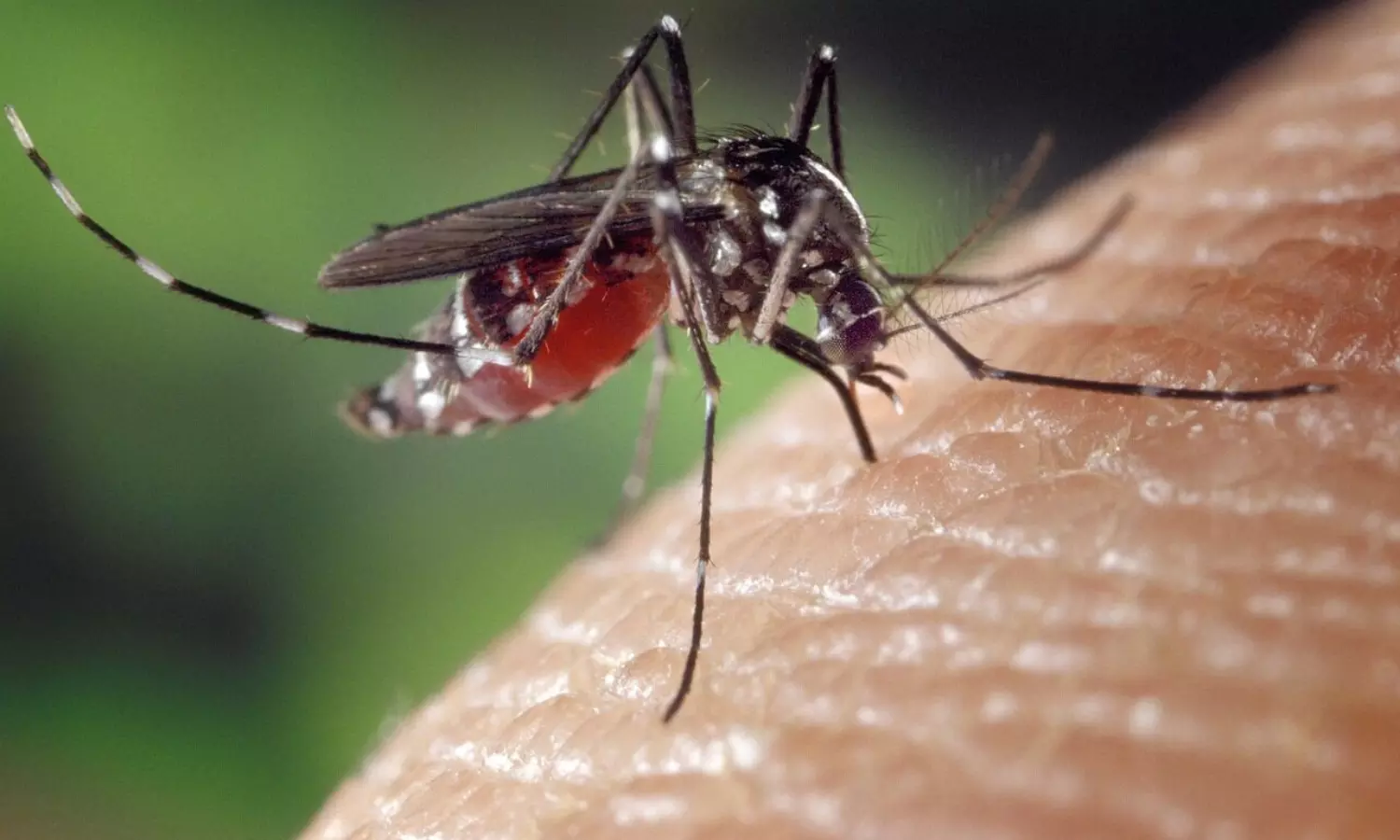
Japanese Encephalitis is a viral disease transmitted primarily through infected mosquitoes, particularly in rural and agricultural areas. The illness can cause fever, headache, neurological complications, and, in severe cases, inflammation of the brain. Acute Encephalitis Syndrome is a broader clinical condition that includes several causes of brain inflammation and requires immediate medical attention.
Health officials continue to monitor cases closely as the monsoon season progresses. Increased rainfall and water accumulation often contribute to mosquito population growth, raising the likelihood of disease transmission. Surveillance teams are collecting data from hospitals and community health centers to identify emerging hotspots and respond quickly to new infections.
Authorities have emphasized that early diagnosis and timely treatment remain critical in reducing fatalities and preventing severe complications among affected patients.
Hospital Preparedness Drills Strengthened Across State
In response to the rising health concerns, Assam Japanese Encephalitis Cases have triggered comprehensive preparedness measures across government healthcare facilities. Hospitals have been directed to review emergency protocols, ensure the availability of essential medicines, and maintain adequate bed capacity for patients requiring specialized care.
Medical institutions are conducting preparedness drills to assess their ability to manage potential surges in admissions. These exercises include emergency response coordination, patient triage procedures, intensive care readiness, and referral mechanisms for severe cases. Health workers are also receiving updated guidance on identifying symptoms and providing prompt treatment.
District hospitals and community health centers have been instructed to maintain round-the-clock monitoring systems. Additional attention is being given to pediatric and critical care units, which may face increased demand if case numbers rise during the monsoon period.
Officials believe that preparedness planning can significantly improve outcomes by ensuring healthcare facilities remain equipped to handle emergencies. Continuous training and resource assessments are being conducted to strengthen the state’s overall response capacity.
Surveillance and Prevention Measures Expanded
The state health department has expanded surveillance efforts as Assam Japanese Encephalitis Cases continue to receive close attention from public health authorities. Field teams are conducting inspections and awareness programs in areas considered vulnerable to mosquito-borne diseases.
Vector-control activities form a major part of the prevention strategy. Local authorities are promoting measures to eliminate stagnant water, improve sanitation, and reduce mosquito breeding sites. Public health campaigns are encouraging residents to use mosquito nets, protective clothing, and repellents, particularly in high-risk areas.
Healthcare workers are also engaging with communities to increase awareness about early symptoms and the importance of seeking medical care without delay. Educational campaigns through schools, local administrations, and community organizations aim to improve public understanding of disease prevention.
In addition, monitoring systems are being strengthened to ensure timely reporting of suspected cases. Rapid identification allows health officials to investigate outbreaks, implement targeted interventions, and allocate resources where they are most needed.
These preventive efforts are intended to complement clinical preparedness and reduce the overall impact of encephalitis-related illnesses during the transmission season.
Monsoon Season Raises Public Health Challenges
The annual monsoon season often increases public health risks in several parts of Assam due to environmental conditions that favor mosquito activity. Agricultural fields, waterlogged areas, and rural landscapes can become suitable breeding grounds for disease-carrying insects.
While rainfall supports agriculture and water resources, it also presents challenges for disease control programs. Public health authorities must balance emergency response efforts with long-term prevention initiatives aimed at minimizing seasonal outbreaks. Consequently, coordination among healthcare institutions, local governments, and community organizations remains essential.
The state has previously experienced periodic outbreaks of Japanese Encephalitis, making preparedness a recurring priority for health administrators. Lessons learned from past response efforts continue to inform current strategies focused on surveillance, treatment, and public education.
Experts emphasize that community participation plays an important role in prevention. Residents can contribute by maintaining clean surroundings, reporting suspected symptoms promptly, and following health advisories issued by authorities.
As monsoon conditions persist, health officials are expected to maintain heightened vigilance and continue monitoring developments across affected districts.
The recent rise in Assam Japanese Encephalitis Cases has led to intensified healthcare preparedness and preventive action throughout the state. With seven confirmed JE deaths and 32 AES fatalities reported this year, authorities are focusing on hospital readiness, surveillance expansion, and public awareness campaigns. The combination of clinical preparedness and community-based prevention efforts is expected to strengthen the state’s response during the monsoon season. Officials continue to encourage residents to remain alert, adopt protective measures against mosquito exposure, and seek medical attention promptly if symptoms appear. Ongoing coordination among healthcare providers and public agencies will remain crucial in managing the situation effectively.
Q1. How many Japanese Encephalitis deaths have been reported in Assam this year?
The National Health Mission has confirmed seven deaths linked to the disease since the beginning of the year.
Q2. What is Acute Encephalitis Syndrome?
It is a clinical condition involving inflammation of the brain caused by multiple possible infections or medical factors.
Q3. Why are hospitals conducting preparedness drills?
The drills help healthcare facilities assess emergency response capabilities and prepare for a potential rise in patient admissions.
Q4. What does Assam Japanese Encephalitis Cases refer to?
It refers to the reported infections and associated public health response measures related to the disease in the state.
Q5. How is the disease primarily transmitted?
The virus is mainly spread through infected mosquitoes, especially in rural and agricultural regions.
Q6. What preventive measures are being promoted?
Authorities recommend mosquito control, use of protective barriers, elimination of stagnant water, and early medical consultation.