


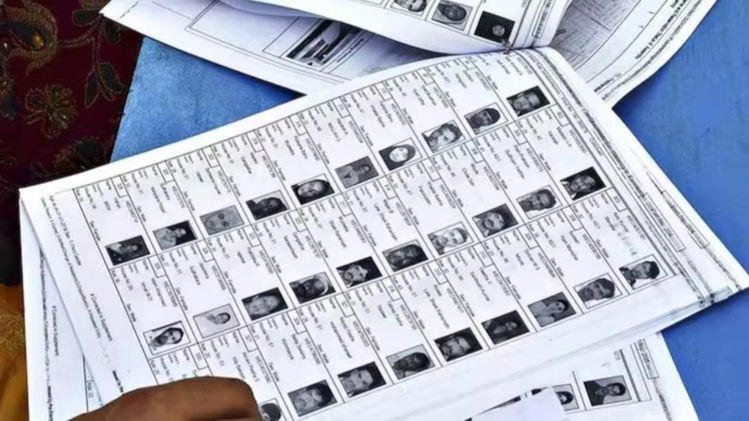
Assam has recorded a strong public response to the Census 2027 self-enumeration exercise, with more than 11.64 lakh households submitting their details online before the facility closed on August 16. The achievement marks an important step in India’s first fully digital Census exercise and reflects growing participation in the state’s online data-collection process.
With the self-enumeration phase now complete, Assam has moved into the next stage of the exercise. Enumerators have begun visiting households across the state as part of the Houselisting and Housing Census. Officials have assured residents that the exercise will cover every household and that the information collected will remain confidential.
Over 11.64 Lakh Households Complete Self-Enumeration
According to officials, 11,64,586 households in Assam completed the self-enumeration process by August 16, the final day for online submissions. The figure represents a significant level of participation in the first phase of Census 2027.
Self-enumeration allows residents to enter household information themselves through the official Census portal. The digital system reduces the need for enumerators to collect every detail manually and gives households an opportunity to provide their information directly.
The strong response also indicates that many households in Assam were willing to use digital tools for an important government exercise.
Door-to-Door Census Begins Across Assam
Following the end of self-enumeration, officials have started the house-to-house enumeration process across Assam.
The Houselisting and Housing Census began on August 17 and will continue until September 15 in the state. Enumerators will visit households across all 33 districts to collect information from families that did not complete self-enumeration and verify details submitted online.
This physical phase remains essential because the government aims to ensure that no household gets left out of the Census.
Households that already completed the online process are expected to provide their Self-Enumeration Identification number to the visiting enumerator. Officials can then use the information to verify and complete the Census records.
Cachar, Sribhumi and Kokrajhar Lead Participation
Some districts performed particularly well during the self-enumeration phase.
Cachar, Sribhumi and Kokrajhar emerged as the three best-performing districts in terms of participation, according to officials.
The performance of these districts highlights the importance of public awareness in making digital government programmes successful.
Local administration and public outreach can play a major role in encouraging residents to participate. When people understand the purpose of the Census and know how to use the online platform, they are more likely to complete the process themselves.
The participation across these districts also provides an example for the remaining stages of the exercise.
Census 2027 Uses a Two-Phase Process
Census 2027 will take place through a structured two-phase system.
The first phase focuses on Houselisting and Housing Census. It collects information about houses, household facilities, amenities and assets. The second phase will focus on Population Enumeration and will gather detailed demographic, social, economic and other information about individuals.
The first phase is particularly important because it creates the basic framework for the population enumeration that follows.
For Assam, the current house-listing exercise will help authorities build a complete database of households before the second phase begins.
Census Goes Digital
Census 2027 marks a major shift towards digital data collection.
For the first time, residents have received the option to complete the self-enumeration process online. Enumerators will also use digital tools during field visits.
The move aims to make data collection faster and more efficient. Digital systems can also reduce some forms of manual error and allow authorities to monitor the progress of the exercise more effectively.
The government has described Census 2027 as India’s first digital Census and has emphasised the role of technology in improving accuracy and efficiency.
What Information Does the First Phase Collect?
The Houselisting and Housing Census focuses on information related to households and housing conditions.
The exercise covers details about the condition and use of houses, household amenities and assets. Information relating to facilities such as drinking water, sanitation, electricity and cooking arrangements forms part of the first phase.
The data can help governments understand living conditions across different parts of the country.
Such information can also support planning for housing, infrastructure, sanitation, welfare programmes and other public services.
Confidentiality Remains a Key Assurance
The government has repeatedly assured citizens that Census information will remain confidential.
Under the Census Act, 1948, individual information collected during the Census receives legal protection. The government says personal data cannot be made public or used for purposes outside the Census framework.
The confidentiality provision is particularly important as the Census becomes increasingly digital.
Officials have urged residents to provide accurate information without concern about the public disclosure of their personal details.
The government has also highlighted cybersecurity measures designed to protect Census data from unauthorised access.
Self-Enumeration Reduces Pressure on Field Staff
The online process can also reduce the workload for Census enumerators.
When a household completes self-enumeration, officials already have access to much of the required information. The field visit can then focus on verification rather than collecting every detail from the beginning.
This can make the overall process more efficient, particularly in a state as geographically diverse as Assam.
However, field enumeration remains necessary to ensure complete coverage. Not every household has access to reliable internet services or the digital skills required to complete an online form.
The combination of online participation and physical verification therefore provides a more inclusive approach.
Assam’s Census Has Wider Significance
The Census is particularly important for Assam because population data influences government planning and resource allocation.
Accurate household information can help authorities plan schools, hospitals, roads, housing, sanitation and other public services.
The data can also help governments understand changes in population distribution, household conditions and access to essential facilities.
Assam has also seen public debate over demographic and linguistic issues. Chief Minister Himanta Biswa Sarma recently urged longtime settlers in the state to identify Assamese as their mother tongue in the upcoming Census.
Such developments highlight the wider social and political significance attached to the Census exercise in the state.
Citizens Urged to Cooperate
Officials have urged residents to cooperate with Census workers during the house-to-house phase.
Households that did not complete self-enumeration will need to provide their details to visiting enumerators. Families that completed the online process should keep their Self-Enumeration ID available for verification.
Residents can help the process by providing accurate information and responding to the enumerators’ questions.
Full participation will help the government create a more comprehensive database of households across Assam.
Digital Participation Marks Important Milestone
The completion of self-enumeration by more than 11.6 lakh households marks a significant milestone for Assam’s participation in Census 2027.
The figure demonstrates that digital self-enumeration can attract substantial public participation when authorities provide the necessary infrastructure and awareness.
At the same time, the start of the house-to-house phase ensures that households unable to participate online will also receive an opportunity to contribute.
This combination of technology and physical verification aims to make the Census more accurate and inclusive.
Assam Moves Into Next Census Phase
The Assam Census 2027 exercise has now entered a crucial stage. More than 11.64 lakh households have already completed self-enumeration, while field enumerators have begun visiting homes across the state.
The next few weeks will focus on completing the Houselisting and Housing Census and ensuring that every household gets covered.
The information collected during this phase will create the foundation for the population enumeration scheduled for the second phase of Census 2027.
For Assam, the successful completion of self-enumeration offers an encouraging start to the country’s largest data-collection exercise. The challenge now lies in ensuring that the door-to-door process reaches every household and maintains the same focus on accuracy, confidentiality and complete coverage.