


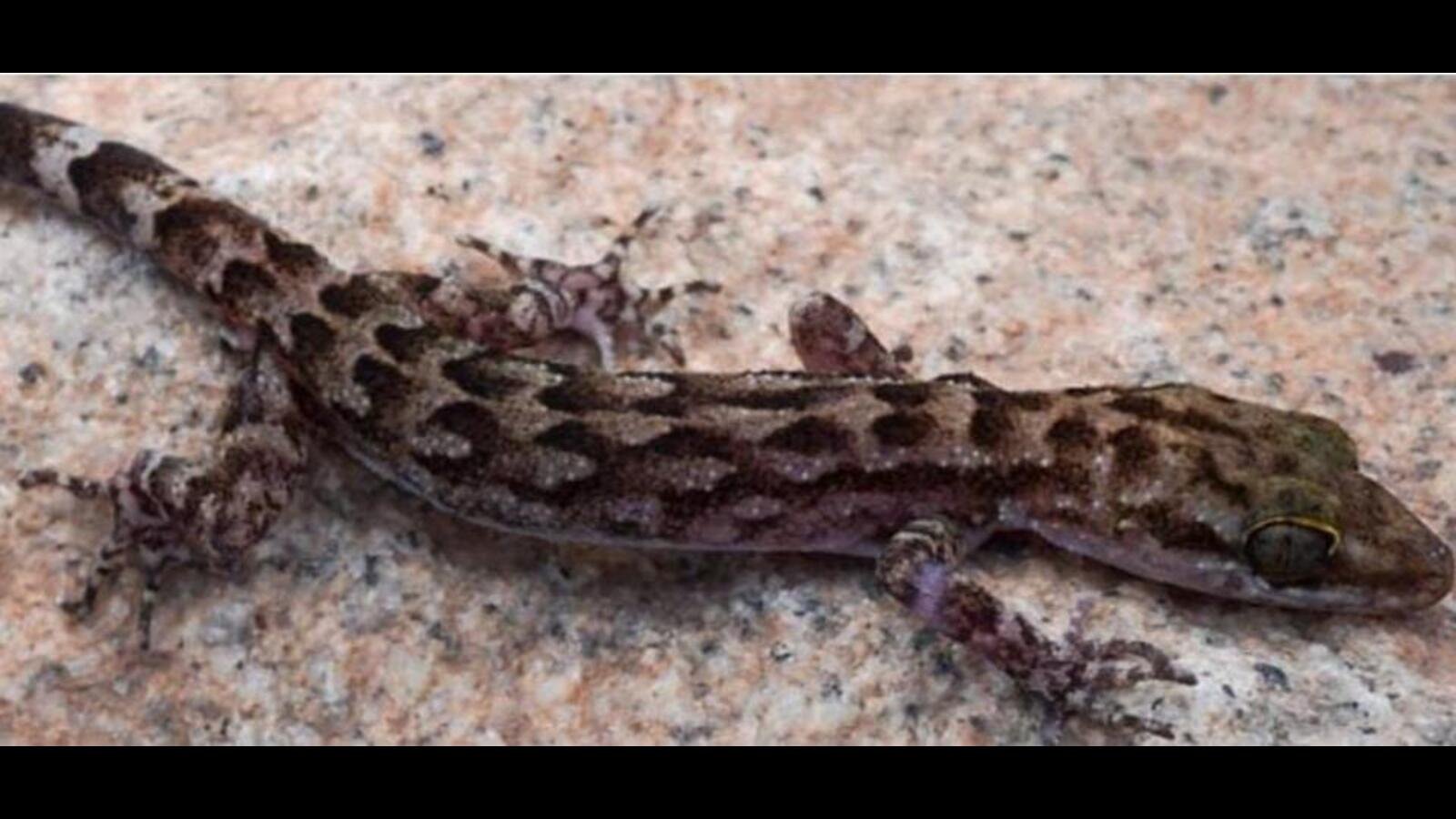
The Assam bent-toed gecko discovery has drawn scientific attention after researchers confirmed the identification of a new species of bent-toed gecko in the Goalpara district. The finding marks an important addition to India’s herpetofaunal diversity and highlights the ecological richness of Assam’s forested landscapes. Scientists involved in the study stated that the species was documented during a field survey aimed at assessing reptile biodiversity in the region. The discovery further strengthens the significance of northeastern India as a hotspot for unique and previously undocumented wildlife species.
Northeast To Receive Normal Monsoon Rainfall
Northeast heavy rainfall alert continues region
Researchers Confirm New Gecko Species
A team of researchers officially confirmed the discovery of a new bent-toed gecko species in Goalpara district. The Assam bent-toed gecko discovery was made during systematic field surveys conducted in forested and semi-wild habitats of the region.
Scientists observed distinct morphological features that differentiated the species from previously known gecko populations. After careful analysis and verification, researchers classified it as a new species within the bent-toed gecko group.
Experts stated that such discoveries require detailed taxonomic studies, including comparisons of physical characteristics, habitat patterns, and genetic data when available. The confirmation process ensures that newly identified species are properly documented within scientific records.
Assam’s Rich Biodiversity Under Spotlight
The discovery has once again highlighted Assam’s ecological importance in terms of reptile and amphibian diversity. The Assam bent-toed gecko discovery reflects the region’s high level of biological richness and its role in supporting rare and endemic species.
Biologists explained that Assam’s varied landscape, which includes forests, wetlands, and riverine ecosystems, creates ideal conditions for a wide range of wildlife species. Many of these species remain under-documented due to limited exploration in remote habitats.
Researchers stated that northeastern India continues to produce significant zoological discoveries, especially in groups like reptiles, amphibians, insects, and birds. These findings underline the need for continuous biodiversity surveys in the region.
Field Surveys Help Reveal Hidden Species
The new gecko species was identified during targeted biodiversity fieldwork conducted by herpetologists. The Assam bent-toed gecko discovery demonstrates how structured field surveys contribute to expanding scientific knowledge of regional wildlife.
Researchers reported that careful nighttime observations helped locate the gecko in its natural habitat. The species was found in rocky and forested microhabitats where it remained well-camouflaged.
Scientists emphasized that many reptile species remain difficult to detect due to their nocturnal behavior and cryptic appearance. Therefore, repeated field studies are essential for accurate documentation.
Experts also noted that collaboration between researchers and local communities often helps identify new wildlife sightings in remote areas.
Importance For Conservation Science
The discovery holds significant value for conservation planning and ecological research. The Assam bent-toed gecko discovery adds to the growing list of species that highlight the conservation importance of Assam’s forest ecosystems.
Conservation biologists stated that identifying new species helps authorities better understand habitat requirements and ecological balance. Such information plays a key role in designing conservation strategies and protecting sensitive ecosystems.
Experts also warned that habitat loss, deforestation, and environmental changes could threaten newly discovered species if protective measures are not implemented. Therefore, proper documentation becomes essential for long-term conservation planning.
Environmental researchers stressed that northeastern India remains one of the most important biodiversity zones in the country, requiring continued scientific attention.
Scientific Value and Future Research
Researchers believe the discovery will encourage further studies in herpetology and biodiversity mapping in Assam and nearby regions. The Assam bent-toed gecko discovery may also lead to additional exploration of similar habitats where undiscovered species could exist.
Scientists stated that genetic studies and ecological assessments will help better understand the species’ evolutionary relationships. Future research may also focus on its distribution range, population size, and habitat preferences.
Experts highlighted that such discoveries contribute to global biodiversity databases and improve understanding of species evolution in tropical ecosystems.
They further stated that continued investment in field research and biodiversity documentation is crucial for identifying unknown species across India’s diverse ecosystems.
Conclusion
The discovery of a new bent-toed gecko species in Goalpara marks a significant milestone for biodiversity research in Assam. The Assam bent-toed gecko discovery highlights the region’s ecological richness and reinforces the importance of continued scientific exploration. As researchers expand field studies in northeastern India, more hidden species may emerge, further strengthening the country’s role as a global biodiversity hotspot.
FAQs
What was discovered in Assam?
Researchers discovered a new species of bent-toed gecko in Goalpara district.
Why is the Assam bent-toed gecko discovery important?
It adds to India’s known biodiversity and highlights Assam’s ecological richness.
Who made the discovery?
A team of researchers conducting biodiversity field surveys identified the species.
Where was the gecko found?
It was found in the Goalpara district of Assam.
What type of habitat does the species live in?
It was found in forested and rocky microhabitats.
Why are such discoveries important?
They help improve understanding of biodiversity and support conservation planning.