

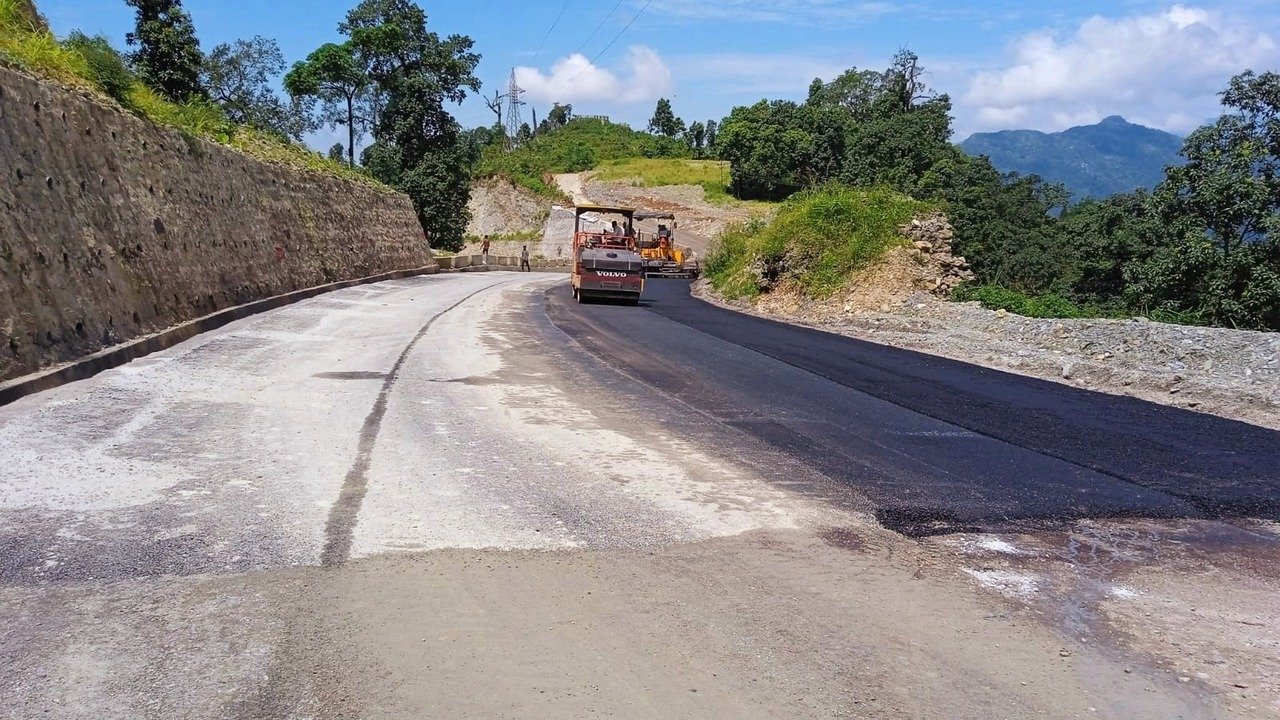
Assam rural road expansion efforts intensified after the state government confirmed that more than 1,000 kilometres of roads under the Asom Mala 2.0 initiative are currently under active construction across multiple districts. Meanwhile, officials stated that the ambitious infrastructure program aims to improve rural connectivity, strengthen transportation access, and accelerate economic development in remote and underserved areas of Assam. The ongoing road construction projects involve strategic village routes, district corridors, and connectivity networks designed to support trade, healthcare access, education, and agricultural movement. Additionally, administrative departments and engineering teams increased monitoring of project execution timelines following the latest progress review.
The Asom Mala 2.0 initiative has become one of Assam’s most significant rural infrastructure programs in recent years. Furthermore, state authorities emphasized that improved road connectivity remains essential for balanced regional development and long-term economic growth across rural communities.
Kolkata Tiljala Eviction Clash Injures Police
TMC Supreme Court Petition Challenges Voter Revision
Government Pushes Large-Scale Road Development
The Assam government confirmed that road construction activities under Asom Mala 2.0 are progressing simultaneously across various districts. Assam rural road expansion projects therefore gained renewed attention after officials disclosed the scale of active construction work currently underway.
Meanwhile, engineering departments stated that contractors and project teams continue working on multiple stretches connecting villages, market zones, and administrative centers. Additionally, authorities indicated that the program focuses heavily on improving transportation access in flood-prone and geographically isolated regions.
Officials explained that rural road development may significantly reduce travel time and improve access to public services in interior areas. Furthermore, several districts reportedly received accelerated funding and logistical support to maintain project momentum during the current construction phase.
Earlier, Assam launched the Asom Mala infrastructure initiative to modernize transportation systems and strengthen regional connectivity networks. Consequently, the second phase of the program expanded project coverage into additional rural and semi-urban locations.
At the same time, local administrations urged contractors to maintain construction quality and complete work within approved timelines.
Rural Connectivity Seen as Economic Catalyst
Infrastructure experts described improved rural roads as critical for strengthening local economies and social mobility. Assam rural road expansion plans therefore carry broader implications beyond transportation development alone.
Meanwhile, officials highlighted that better road access may improve movement of agricultural goods, increase market connectivity, and support small-scale businesses in remote areas. Additionally, healthcare and emergency services could reach previously isolated communities more efficiently once major road corridors become operational.
Several economists noted that infrastructure investment often stimulates employment opportunities and economic activity in developing regions. Furthermore, enhanced transportation networks may encourage tourism, trade expansion, and rural enterprise growth across Assam.
Community leaders in several districts welcomed the ongoing construction projects and stated that poor road conditions previously created major challenges during monsoon seasons. Consequently, many residents expressed optimism regarding improved mobility and connectivity after project completion.
However, infrastructure observers emphasized the importance of long-term maintenance planning because heavy rainfall and flooding frequently damage roads in Assam’s rural areas.
Construction Activities Intensify Across Districts
Project implementation accelerated in multiple districts under active monitoring from engineering and administrative departments. Assam rural road expansion operations therefore became increasingly visible as heavy machinery, workers, and contractors expanded construction activities across the state.
Meanwhile, officials reported that several road stretches already reached advanced construction stages while others remain under initial groundwork and land preparation phases. Additionally, district administrations coordinated with local authorities to address logistical and environmental challenges affecting project execution.
The Public Works Department and associated agencies reportedly strengthened oversight mechanisms to ensure technical compliance and quality standards during construction. Furthermore, authorities emphasized that timely completion remains a priority because improved connectivity directly affects rural development outcomes.
Several project corridors involve routes connecting educational institutions, healthcare centers, agricultural markets, and border villages. Consequently, officials described the road network as strategically important for administrative access and regional integration.
At the same time, environmental experts urged authorities to adopt sustainable construction practices in ecologically sensitive zones and flood-affected regions.
Political Focus on Infrastructure Development Grows
Infrastructure development continues emerging as a major governance priority for the Assam administration. Assam rural road expansion projects therefore hold significant political and developmental importance across the state.
Meanwhile, ruling party leaders highlighted the Asom Mala 2.0 initiative as evidence of ongoing efforts to modernize public infrastructure and improve rural living standards. Additionally, government representatives argued that stronger connectivity supports long-term economic competitiveness and social inclusion.
Opposition leaders, however, demanded transparent monitoring of project budgets, construction quality, and contractor accountability. Furthermore, some critics questioned whether all announced projects would meet completion deadlines under existing implementation schedules.
Political analysts observed that road infrastructure projects frequently influence public perception in rural constituencies because transportation access directly affects daily life and economic opportunities. Consequently, large-scale connectivity programs remain politically significant in Assam’s development narrative.
At the same time, local civic groups appealed for fair compensation and consultation in areas affected by land acquisition or construction-related disruptions.
Monsoon Challenges Remain Key Concern
Officials acknowledged that Assam’s challenging weather conditions continue affecting infrastructure development timelines. Assam rural road expansion work therefore requires extensive planning to address flood risks and seasonal disruptions during construction.
Meanwhile, engineers explained that road projects in flood-prone districts demand stronger drainage systems, elevated embankments, and weather-resistant materials. Additionally, monsoon-related soil erosion and waterlogging often create operational difficulties for contractors working in vulnerable areas.
Disaster management experts emphasized that resilient infrastructure remains especially important in northeastern states regularly affected by heavy rainfall and flooding. Furthermore, durable rural roads may improve emergency response capabilities during natural disasters and evacuation operations.
Earlier, severe floods damaged several transportation routes across Assam, disrupting movement of goods and public services. Consequently, authorities are increasingly prioritizing climate-resilient construction standards in new infrastructure projects.
At the same time, technical consultants stressed that long-term infrastructure sustainability depends heavily on regular maintenance and engineering supervision after project completion.
Public Response Reflects Growing Expectations
The ongoing infrastructure push generated significant public attention across Assam’s rural districts. Assam rural road expansion developments therefore sparked widespread discussion regarding economic growth, transportation access, and government development priorities.
Meanwhile, residents from remote villages stated that improved roads could reduce travel hardship and strengthen connectivity with urban centers. Additionally, traders and farmers expressed hope that better transportation routes would lower logistical costs and improve market access.
Youth groups and education advocates also highlighted the importance of reliable road networks for students traveling to schools, colleges, and training institutions. Furthermore, healthcare workers emphasized that improved connectivity may support faster patient transportation and medical outreach services.
Several observers noted that infrastructure quality often shapes public confidence in long-term governance and development planning. Consequently, expectations remain high regarding timely completion and maintenance of the newly constructed roads.
At the same time, local organizations urged authorities to maintain transparency and ensure that all projects meet approved engineering and safety standards.
Conclusion
Assam rural road expansion activities under the Asom Mala 2.0 initiative intensified after officials confirmed that more than 1,000 kilometres of roads remain under active construction across multiple districts. Meanwhile, authorities continue emphasizing improved connectivity, economic growth, and rural development as key objectives behind the large-scale infrastructure program. Engineering teams and administrative departments remain engaged in accelerating project execution despite monsoon-related challenges and logistical complexities. Ultimately, the initiative may significantly transform transportation access and regional development patterns across rural Assam.
FAQs
What is Asom Mala 2.0?
Asom Mala 2.0 is a major infrastructure initiative focused on improving road connectivity across Assam.
How many kilometres of roads are under construction?
Officials confirmed that over 1,000 kilometres of rural roads are currently under active construction.
Why is Assam rural road expansion important?
The projects aim to improve transportation, market access, healthcare connectivity, and economic development in rural areas.
Which areas are benefiting from the road projects?
Multiple rural and remote districts across Assam are included under the ongoing construction program.
What challenges affect the construction work?
Heavy rainfall, flooding, soil erosion, and difficult terrain remain major challenges during implementation.
How could the roads help local communities?
Improved roads may reduce travel time, support trade, and improve access to education and healthcare services.