


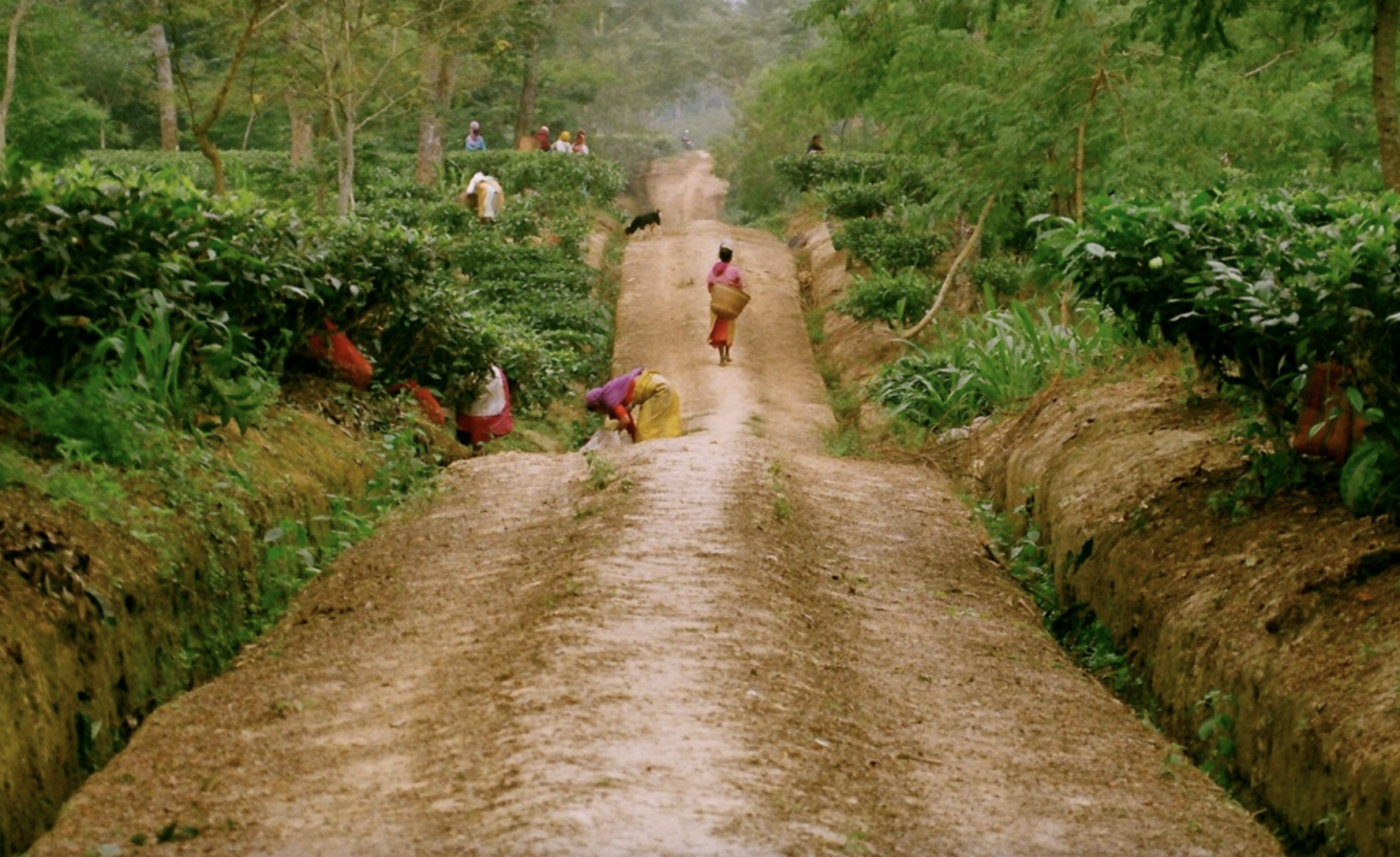
The Assam tea industry is facing a noticeable production drop due to erratic monsoon distribution and widespread waterlogging across key plantation areas. The uneven rainfall pattern has disrupted plucking cycles and affected crop health in several estates. Moreover, industry stakeholders have expressed concern over declining yields during a crucial production season. Officials noted that weather instability is emerging as a key challenge for tea cultivation in the region.
Manipur Security Forces Deploy Advanced Drone Monitoring Along Vulnerable Valley-Hill Boundaries
Upendra Dwivedi Celebrates the 12th International Yoga Day
Erratic Monsoon Disrupts Tea Plantation Cycles
Assam tea industry faces production drop due to erratic monsoon distribution and waterlogging, as irregular rainfall patterns continue to affect major tea-growing belts. Consequently, plantations are experiencing uneven soil moisture levels, impacting leaf growth.
Continuous spells of heavy rain followed by dry intervals have disturbed the natural plucking cycle. Moreover, tea bushes require consistent climatic conditions for optimal yield. Therefore, the imbalance in rainfall has directly reduced productivity.
Planters reported delays in harvesting schedules across multiple estates. Furthermore, excess rain has made several garden areas inaccessible for workers. As a result, operational efficiency has been significantly affected.
Meanwhile, field assessments indicate visible stress on tea bushes. Consequently, quality and quantity of green leaf output have both declined.
Waterlogging Damages Plantation Infrastructure and Soil Health
The Assam tea industry faces production drop due to erratic monsoon distribution and waterlogging, with several estates reporting submerged fields and damaged plantation infrastructure. Moreover, prolonged water stagnation is affecting soil fertility. Therefore, long-term productivity concerns are emerging.
Waterlogging has led to root stress in tea plants, reducing their ability to absorb nutrients. Consequently, plant health has deteriorated in low-lying estates. Such conditions can have lasting effects on yield cycles.
Furthermore, access roads within tea gardens have become difficult to navigate. As a result, transportation of plucked leaves to processing units has been delayed.
Meanwhile, estate management teams are attempting drainage improvements. Similarly, preventive measures are being considered to reduce future water accumulation.
Labour Disruption and Rising Operational Challenges
Erratic monsoon conditions have also disrupted labour schedules across Assam’s tea estates. Moreover, heavy rainfall has reduced working hours in several plantations. Therefore, workforce productivity has been impacted.
Tea plucking is a time-sensitive activity that requires dry conditions for efficient harvesting. Consequently, frequent rainfall interruptions have reduced output per worker. Such disruptions directly affect overall production volumes.
Furthermore, transport delays have slowed down leaf processing at factories. As a result, fresh leaf quality is being affected in some locations.
Meanwhile, estate managers are adjusting work shifts based on weather forecasts. Similarly, contingency plans are being implemented to minimize losses.
Long-Term Concerns for Assam’s Tea Economy
The Assam tea industry faces production drop due to erratic monsoon distribution and waterlogging, raising concerns about long-term stability in one of India’s most important agricultural sectors. Moreover, climate variability is increasingly influencing plantation outcomes. Therefore, adaptive strategies are becoming essential.
Reduced production could impact both domestic supply and export commitments. Consequently, price fluctuations may occur in the tea market. Such changes affect growers, traders, and workers alike.
Furthermore, experts emphasize the need for climate-resilient farming practices. As a result, investment in drainage systems and sustainable plantation methods is being discussed.
Meanwhile, research institutions are studying weather impact patterns on tea cultivation. Similarly, policy-level interventions may be required to support the industry.
Conclusion
Assam tea industry faces production drop due to erratic monsoon distribution and waterlogging, highlighting the growing impact of unpredictable weather on plantation agriculture. Moreover, disruptions in rainfall patterns and water accumulation have significantly affected yield and operations.
The situation underscores the need for better climate adaptation strategies in the tea sector. Therefore, long-term resilience measures will be crucial for sustaining production.
As Assam tea industry faces production drop due to erratic monsoon distribution and waterlogging, it reflects the urgent challenges posed by climate variability to Assam’s tea economy.
FAQs
1. What is affecting Assam’s tea production?
Erratic monsoon distribution and waterlogging.
2. How does waterlogging impact tea plants?
It damages roots and reduces nutrient absorption.
3. Which operations are disrupted?
Plucking, transport, and processing activities.
4. What is the long-term concern?
Declining productivity and climate-related instability.
5. What solutions are being considered?
Improved drainage and climate-resilient farming practices.