


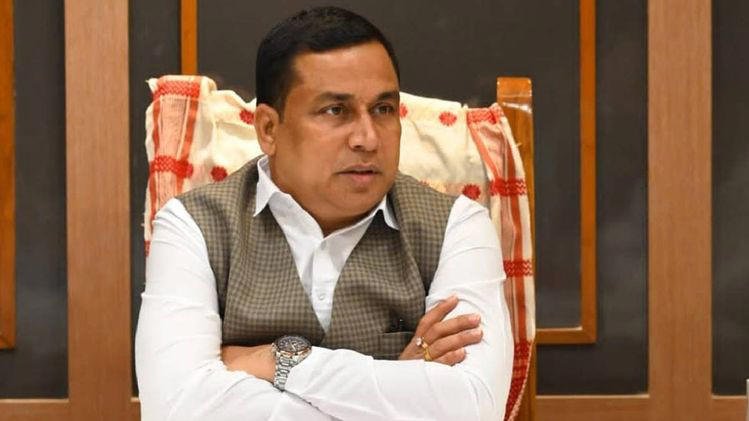
Assam Finance Minister Jayanta Mallabaruah has stated that the state’s first full budget under the NDA 3.0 framework will focus significantly on fulfilling promises made to the people while accelerating the pace of development across sectors. The minister indicated that the upcoming budget will reflect the government’s commitment to translating electoral assurances into actionable programs aimed at improving the lives of citizens and strengthening the state’s economy.
According to Mallabaruah, the budget is being designed to balance fiscal discipline with developmental priorities. The government intends to focus on sectors such as infrastructure, education, healthcare, agriculture, employment generation, women’s welfare, and social security while ensuring that key commitments made to voters are addressed effectively.
The announcement has generated considerable interest among policymakers, industry stakeholders, and citizens, as the budget is expected to provide insights into the government’s roadmap for the coming years.
Poll Promises to Receive Special Attention
The Finance Minister emphasized that fulfilling promises made during election campaigns remains a central objective of the government. He noted that public trust is strengthened when governments deliver on commitments and implement policies that directly benefit citizens.
The upcoming budget is expected to include allocations and initiatives linked to various welfare measures and development programs that were highlighted during the electoral process. The government believes that translating promises into practical outcomes is essential for maintaining accountability and ensuring inclusive growth.
Officials indicated that the budget will focus on initiatives designed to support vulnerable sections of society while also creating opportunities for economic advancement and employment.
The emphasis on poll promises reflects the administration’s intention to align fiscal planning with public expectations and developmental goals.
Focus on Inclusive Economic Growth
Economic growth is expected to remain one of the major themes of the budget. Assam has witnessed significant progress in recent years in areas such as infrastructure development, industrial investment, connectivity, and social welfare.
Mallabaruah stated that the government aims to build on these achievements by introducing measures that encourage investment, entrepreneurship, and job creation. Economic growth strategies are expected to focus on both urban and rural areas, ensuring that development reaches all sections of society.
The Finance Minister noted that sustained growth requires a combination of public investment, private-sector participation, and effective governance. The budget is likely to incorporate measures that support these objectives while maintaining fiscal responsibility.
Officials believe that strengthening economic foundations will contribute to long-term prosperity and improved living standards.
Infrastructure Development to Remain a Priority
Infrastructure has emerged as a key driver of Assam’s development agenda, and the upcoming budget is expected to continue this focus. Significant investments in roads, bridges, urban development, transport networks, and public facilities have transformed connectivity across the state.
The government is likely to allocate resources for ongoing and new infrastructure projects aimed at improving mobility, supporting economic activity, and enhancing public services. Improved infrastructure is also considered essential for attracting investment and promoting regional development.
Mallabaruah emphasized that infrastructure spending generates both immediate and long-term benefits by creating employment opportunities and improving productivity.
The state administration views infrastructure development as a foundation for achieving broader economic and social objectives.
Strengthening Education and Healthcare
Education and healthcare are expected to receive substantial attention in the budget. The government has repeatedly highlighted the importance of investing in human capital as a means of promoting sustainable development.
Officials indicated that measures aimed at improving educational institutions, expanding access to quality learning opportunities, and strengthening skill development programs are likely to feature prominently. Investments in education can help prepare young people for emerging opportunities in a rapidly changing economy.
Similarly, healthcare remains a critical area of focus. The budget is expected to support initiatives related to medical infrastructure, healthcare accessibility, public health programs, and service delivery improvements.
The Finance Minister stressed that strong education and healthcare systems are essential for improving quality of life and supporting long-term development.
Support for Farmers and Rural Communities
Agriculture continues to play a vital role in Assam’s economy, providing livelihoods for a large segment of the population. The government is expected to include measures that support farmers, enhance agricultural productivity, and strengthen rural development.
Programs related to irrigation, agricultural modernization, market access, and financial support are likely to receive attention in the budget. Rural infrastructure and livelihood initiatives may also form part of broader efforts to promote balanced development.
Mallabaruah noted that strengthening the agricultural sector is essential for ensuring food security, increasing incomes, and supporting economic stability in rural areas.
The government’s approach aims to create opportunities for farmers while enhancing the resilience of the agricultural economy.
Employment Generation and Youth Empowerment
Creating employment opportunities remains one of the government’s key priorities. The Finance Minister highlighted the importance of empowering young people through job creation, entrepreneurship, and skill development initiatives.
The budget is expected to include provisions that encourage industrial growth, support startups, and promote sectors capable of generating large-scale employment. Investments in education and vocational training may also help equip young people with the skills needed to participate in the evolving economy.
Officials believe that youth empowerment is critical for sustaining economic growth and fostering innovation. By creating pathways for employment and entrepreneurship, the government hopes to harness the potential of Assam’s growing workforce.
Employment-related initiatives are likely to form an important component of the budget’s broader development strategy.
Women-Centric Welfare Initiatives
Women’s welfare and empowerment are expected to remain significant areas of focus in the upcoming budget. The government has implemented several programs aimed at supporting women through financial assistance, social welfare measures, and economic opportunities.
The budget may include provisions for expanding existing schemes and introducing new initiatives designed to improve the socio-economic status of women. Such measures can contribute to greater participation in education, employment, entrepreneurship, and community development.
Mallabaruah emphasized that empowering women is essential for achieving inclusive growth and strengthening families and communities.
The government’s commitment to gender-focused policies reflects broader efforts to ensure equitable development.
Balancing Development with Fiscal Responsibility
While emphasizing developmental priorities, the Finance Minister also highlighted the importance of maintaining fiscal discipline. Effective financial management is necessary to ensure that public resources are utilized efficiently and sustainably.
The government aims to strike a balance between welfare spending, infrastructure investments, and fiscal prudence. Officials stated that responsible budgeting helps create a stable economic environment and supports long-term development objectives.
Mallabaruah indicated that the budget would seek to maximize the impact of public expenditure while ensuring transparency and accountability in financial management.
This balanced approach is intended to support growth without compromising fiscal stability.
Looking Ahead
Assam’s first full NDA 3.0 budget is expected to serve as a key policy document outlining the government’s priorities for the coming years. By focusing on poll promises, infrastructure development, social welfare, economic growth, and employment generation, the administration aims to deliver tangible benefits to citizens across the state.
Finance Minister Jayanta Mallabaruah’s remarks suggest that the budget will emphasize both continuity and innovation, building upon existing achievements while introducing measures to address emerging challenges. The government’s focus on fulfilling commitments reflects an effort to strengthen public trust and ensure that development remains people-centric.
As anticipation builds ahead of the budget presentation, stakeholders from various sectors will be closely watching the announcements and allocations. The budget is expected to play a crucial role in shaping Assam’s developmental trajectory and reinforcing the state’s vision of inclusive growth, economic progress, and improved quality of life for its citizens.