

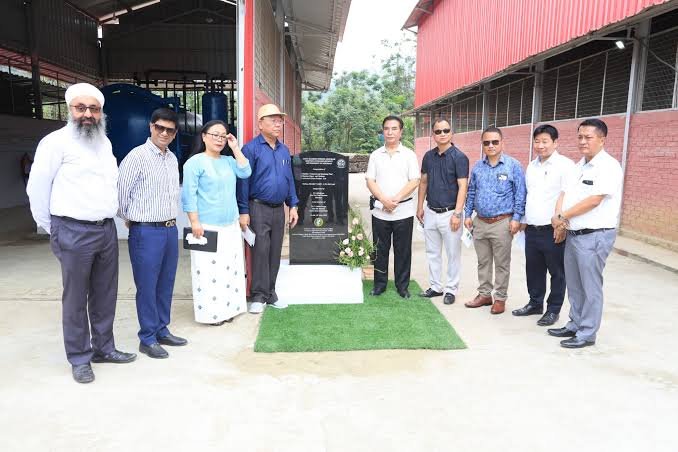
The Bamboo Charcoal Export (MZ) initiative has gained attention as green ventures in Mizoram started exporting high-grade bamboo activated charcoal to eco-focused companies. The development highlights the growing use of bamboo-based products and their potential role in creating new opportunities for sustainable enterprise and value-added production.
Bamboo Charcoal Export (MZ) Opens New Market Opportunities
The Bamboo Charcoal Export (MZ) initiative involves green ventures beginning exports of high-grade bamboo activated charcoal to eco-focused firms. The development represents a move toward adding commercial value to bamboo through specialized processing.
Activated charcoal can serve various industrial and commercial purposes because of its adsorption properties. However, the information provided does not specify the exact applications for the exported Mizoram product or identify the receiving companies.
The export activity nevertheless indicates that local enterprises are seeking markets beyond traditional raw bamboo products. Moreover, processing bamboo into a value-added product can create opportunities for enterprises that develop specialized production capabilities.
The available information does not provide export volumes, destination countries, shipment values, or the names of the participating ventures.
Therefore, those details should await confirmation from the businesses or relevant authorities.
Bamboo Charcoal Export (MZ) Focuses on Value-Added Bamboo Products
The Bamboo Charcoal Export (MZ) development highlights the potential for value addition within the bamboo sector. Instead of selling bamboo only as a raw material, enterprises can process it into products with specific commercial applications.
Furthermore, bamboo grows across several parts of Northeast India and has long supported local livelihoods and traditional industries. Developing processed bamboo products can create additional commercial pathways for businesses working with the resource.
The production of activated charcoal involves processing charcoal to increase its adsorption capacity. However, the information provided does not explain the specific production technology used by the Mizoram ventures or the standards applied to their products.
Consequently, no assumptions should be made about the technical specifications beyond the description of the charcoal as high-grade and activated.
The export activity remains significant because it demonstrates an effort to connect locally processed bamboo products with specialized markets.
Bamboo Charcoal Export (MZ) Supports Green Enterprise
The Bamboo Charcoal Export (MZ) initiative also reflects the role of green ventures in developing alternative business models around natural resources.
Moreover, businesses that create value-added products can potentially generate additional economic activity through processing, packaging, quality control, logistics, and marketing.
The connection with eco-focused firms suggests that the product is being positioned within markets interested in environmentally oriented materials. However, the available information does not establish specific environmental benefits associated with the exported charcoal.
Similarly, it does not provide evidence comparing bamboo activated charcoal with other charcoal products in terms of emissions, resource use, or lifecycle impact.
Therefore, claims about sustainability should remain limited to the stated description of the ventures as green businesses and the product’s positioning with eco-focused companies.
Further information about production practices and sourcing would help assess the environmental dimensions of the initiative.
Bamboo Charcoal Export (MZ) Could Strengthen Mizoram’s Bamboo Economy
The Bamboo Charcoal Export (MZ) activity could contribute to the broader development of Mizoram’s bamboo-based economy by creating demand for processed products.
Additionally, export-oriented production can encourage businesses to improve product quality and meet the requirements of external markets. Such efforts may support the development of specialized skills and processing capabilities.
However, the scale of the current export activity remains unclear. The information provided does not state how many ventures are involved or how much bamboo activated charcoal they have exported.
Furthermore, there is no available information about the number of jobs created or the revenue generated through the exports.
Therefore, the wider economic impact cannot yet be quantified based on the available details.
Nevertheless, the development provides an example of how bamboo can move beyond traditional uses into specialized commercial products.
Conclusion
The Bamboo Charcoal Export (MZ) initiative marks a new step for Mizoram’s green ventures as they begin exporting high-grade bamboo activated charcoal to eco-focused companies. The activity highlights the potential for value-added processing to expand commercial opportunities around bamboo.
Moreover, the development connects local enterprise with specialized markets while demonstrating an effort to develop processed bamboo products rather than relying solely on raw-material sales. However, important details about export volumes, destinations, companies, revenue, and production methods remain unavailable.
Overall, the Bamboo Charcoal Export (MZ) initiative could contribute to the growth of Mizoram’s bamboo-based enterprise sector as businesses explore new markets for processed products. Further official and industry information will help establish the scale, economic impact, and environmental significance of the emerging export activity.
FAQs
1. What is Bamboo Charcoal Export (MZ)?
Bamboo Charcoal Export (MZ) refers to the export activity involving high-grade bamboo activated charcoal produced by green ventures in Mizoram.
2. Who is receiving the bamboo activated charcoal?
The information provided states that the products are being exported to eco-focused companies, but it does not identify the specific businesses.
3. What makes bamboo charcoal an activated product?
Activated charcoal undergoes processing designed to increase its adsorption capacity. However, the specific production process used by the Mizoram ventures has not been provided.
4. Does the export activity prove environmental benefits?
Not by itself. The available information describes the ventures as green businesses and their customers as eco-focused companies, but it does not provide detailed environmental assessments.
5. Could bamboo charcoal exports benefit Mizoram’s economy?
The activity could create opportunities for value-added bamboo processing and specialized enterprise. However, the current information does not provide enough data to quantify its economic impact.