


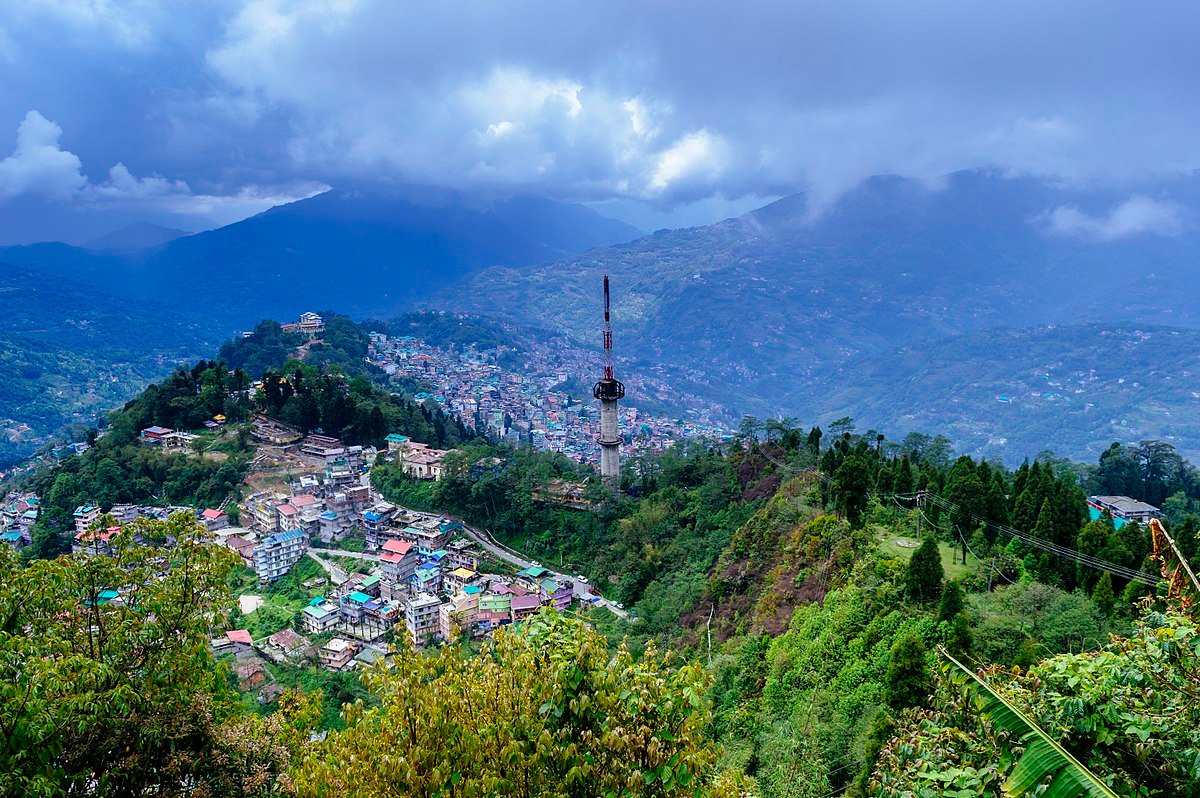
Bengal Sikkim tourism circuit initiatives gained major attention after the governments of West Bengal and Sikkim jointly launched an integrated Himalayan travel experience package aimed at boosting regional tourism and cross-state connectivity. The collaborative tourism program seeks to combine mountain destinations, cultural attractions, eco-tourism experiences, and adventure travel into a unified visitor network across eastern India. Meanwhile, officials stated that the initiative could significantly strengthen tourism-driven economic activity throughout the Himalayan region.
New Jalpaiguri Overhaul Boosts Northeast Connectivity
Nagaland Hornbill Festival Boosts Local Artisan Economy
Joint Tourism Initiative Officially Unveiled
Authorities confirmed that the integrated tourism package includes coordinated travel routes connecting major destinations across West Bengal and Sikkim. Additionally, officials explained that the initiative focuses on improving visitor accessibility, promoting cultural tourism, and expanding hospitality infrastructure within Himalayan districts.
The travel circuit reportedly combines hill stations, monasteries, tea estates, wildlife zones, and adventure tourism locations into a single promotional platform. Consequently, tourists may experience streamlined travel services and broader destination choices during multi-state travel plans. Earlier, tourism operators frequently highlighted the lack of coordinated marketing between neighboring Himalayan destinations.
Officials from the West Bengal Tourism Development Corporation stated that the project supports long-term regional tourism expansion and sustainable travel development. Furthermore, authorities indicated that additional promotional campaigns may target international tourism markets during future phases.
Himalayan Destinations Receive Tourism Boost
Senior tourism officials and hospitality industry representatives attended the launch event connected to the new Himalayan tourism circuit initiative. Meanwhile, authorities highlighted growing traveler interest in nature tourism, mountain experiences, and cultural heritage destinations across northeastern and eastern India.
Officials explained that the tourism package includes locations such as Darjeeling, Gangtok, Kalimpong, and multiple eco-tourism and monastery destinations across Himalayan regions. Specifically, travel planners emphasized integrated transportation systems and coordinated tourism services linking the two states. In addition, tourism analysts believe the partnership may strengthen eastern India’s competitiveness within domestic and international travel markets.
Several tour operators welcomed the initiative because integrated tourism packages often encourage longer visitor stays and increased spending. However, environmental experts stressed the importance of maintaining ecological balance while expanding tourism infrastructure. Despite this, officials confirmed that sustainable tourism guidelines remain part of the project framework.
Eco Tourism And Adventure Travel Gain Attention
The Bengal Sikkim tourism circuit also focuses heavily on eco-tourism, trekking, nature exploration, and mountain adventure experiences. Additionally, authorities confirmed that tourism agencies are promoting forest tourism, river-based activities, and wildlife exploration within protected Himalayan landscapes.
Tourism planners explained that travelers increasingly seek environmentally responsible tourism experiences connected to local culture and biodiversity. As a result, the initiative includes eco-friendly travel programs and community-based tourism partnerships involving rural Himalayan settlements. Furthermore, officials introduced proposals involving trekking infrastructure upgrades and guided mountain tourism services.
Adventure tourism experts noted that the eastern Himalayan region offers strong potential for sustainable outdoor tourism activities. Therefore, coordinated tourism planning between West Bengal and Sikkim may improve visitor experiences and regional tourism visibility.
Meanwhile, local tourism businesses reportedly expressed optimism regarding rising visitor traffic and expanded commercial opportunities linked to the circuit launch. Authorities also stated that tourism awareness campaigns may continue across major metropolitan markets in India.
Cultural Heritage And Monastery Tourism Highlighted
Officials confirmed that cultural tourism forms a major component of the new Himalayan travel package. Additionally, authorities explained that monasteries, traditional festivals, handicraft centers, and heritage sites will receive stronger promotional support through the integrated tourism initiative.
The Bengal Sikkim tourism circuit reportedly encourages visitors to explore the region’s diverse cultural traditions and spiritual heritage. Consequently, monastery tourism and heritage travel may attract both domestic and international visitors seeking immersive cultural experiences. Furthermore, tourism departments continue coordinating cultural exchange programs and heritage festivals across participating destinations.
Several cultural historians stated that Himalayan regions possess unique traditions shaped by Buddhist, Nepali, Lepcha, and Bengali influences. In addition, tourism experts observed that cultural tourism increasingly influences long-distance travel decisions among global tourists.
Earlier, authorities launched preservation projects involving heritage monasteries, mountain architecture, and local cultural centers. At the same time, policymakers encouraged stronger support for traditional artisans and local tourism entrepreneurs.
Hospitality And Infrastructure Development Expand
Authorities stated that infrastructure modernization and hospitality sector expansion remain central to the tourism circuit strategy. Specifically, officials continue reviewing transport connectivity, hotel capacity, road improvement, and visitor management systems across mountain destinations.
The Bengal Sikkim tourism circuit initiative may also encourage investment involving boutique hotels, eco-resorts, and mountain hospitality projects. As a result, tourism-linked commercial activity may expand throughout key travel corridors and gateway towns. Furthermore, authorities highlighted the importance of improving digital booking systems and tourist information services.
Infrastructure analysts observed that tourism growth frequently depends on efficient transport systems and reliable hospitality networks. Therefore, coordinated investment planning may support smoother travel experiences and stronger tourism revenue generation.
Meanwhile, local business groups welcomed the initiative because tourism supports restaurants, handicraft markets, transport operators, and small enterprises. Authorities indicated that regional tourism coordination meetings will continue throughout implementation stages.
Employment And Local Economy May Benefit
Officials explained that the integrated tourism package could generate broader employment opportunities across hospitality, transport, cultural tourism, and eco-tourism sectors. Additionally, tourism development experts emphasized the importance of community participation in sustainable tourism planning.
The Bengal Sikkim tourism circuit project reportedly encourages local entrepreneurship involving guided tours, homestays, handicrafts, and food tourism services. Consequently, rural communities may experience stronger economic participation through tourism-linked activities. Furthermore, authorities introduced discussions involving tourism skill development and hospitality training programs.
Economic analysts noted that mountain tourism frequently creates secondary business growth involving retail trade, agriculture, and transportation services. In addition, policymakers believe integrated tourism planning may improve long-term regional economic resilience.
Meanwhile, youth organizations and tourism entrepreneurs expressed interest in participating in digital tourism promotion campaigns connected to the new travel circuit. Authorities confirmed that social media and international marketing strategies remain under preparation.
Future Tourism Collaboration Plans Continue
Government officials confirmed that additional tourism cooperation proposals remain under discussion between West Bengal and Sikkim. Specifically, authorities continue evaluating cross-border travel packages, wellness tourism initiatives, and international tourism promotion strategies.
Experts believe integrated regional tourism circuits will remain increasingly important within India’s long-term tourism growth plans. Moreover, sustainable Himalayan tourism may strengthen both environmental conservation and local economic development.
The Bengal Sikkim tourism circuit initiative represents a major step toward coordinated Himalayan tourism expansion and cultural travel promotion in eastern India. Ultimately, officials expect the project to improve tourist connectivity, strengthen regional hospitality industries, and increase visitor engagement across Himalayan destinations.
FAQs
What is the Bengal Sikkim tourism circuit initiative?
The initiative is a joint travel and tourism program connecting destinations across West Bengal and Sikkim.
Which destinations are included in the tourism circuit?
The circuit includes destinations such as Darjeeling, Gangtok, Kalimpong, monasteries, tea estates, and eco-tourism sites.
Which organization supports the tourism project?
The West Bengal Tourism Development Corporation supports regional tourism promotion and infrastructure planning.
What types of tourism are being promoted?
Eco-tourism, cultural tourism, monastery tourism, trekking, and mountain adventure experiences are key focus areas.
How may local communities benefit from the initiative?
Communities may gain employment and business opportunities through hospitality, transport, handicrafts, and tourism services.
What does Bengal Sikkim tourism circuit mean for Himalayan travel in India?
Bengal Sikkim tourism circuit initiatives may strengthen regional tourism cooperation, improve visitor experiences, and support sustainable mountain tourism development.