


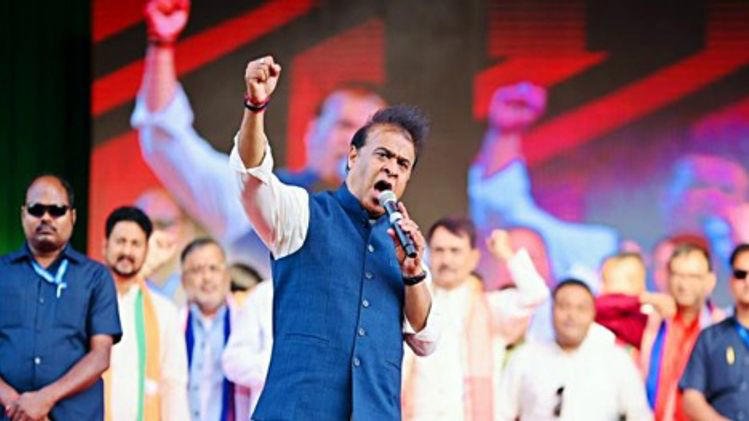
The Bharatiya Janata Party’s aggressive digital campaign has emerged as one of the most significant factors behind the political success of Himanta Biswa Sarma in Assam. Political analysts and party insiders believe the BJP’s strong online outreach strategy helped the ruling alliance connect with voters across urban and rural areas during the election campaign.
From social media messaging and video campaigns to targeted digital outreach and real-time political communication, the BJP utilised technology extensively to strengthen voter engagement. The campaign reportedly focused on development, welfare schemes, infrastructure projects, and leadership messaging while countering opposition narratives online.
Observers believe the BJP’s digital machinery played a major role in shaping public perception and maintaining campaign momentum throughout the election period.
Read More: Assam Assembly Elections 2026: BPF Candidates Report Zero Criminal Cases
BJP Expands Digital Outreach Across Assam
The BJP significantly expanded its digital presence during the election campaign in Assam. Party workers, IT teams, and social media volunteers actively circulated campaign material across multiple online platforms.
Videos highlighting government projects, speeches, public rallies, and welfare initiatives reached large audiences through smartphones and social media networks. Political experts believe this strategy helped the party maintain direct communication with voters.
The campaign also focused heavily on regional language content to connect with people in different districts. Short videos, graphics, and localised messages reportedly increased voter engagement, especially among younger audiences.
Party strategists viewed digital communication as an essential tool for strengthening outreach beyond traditional rallies and public meetings.
Himanta Biswa Sarma’s Online Presence Gains Attention
Himanta Biswa Sarma’s strong digital presence became another important aspect of the BJP’s campaign strategy. His regular social media activity helped project an image of accessibility and active leadership.
The chief minister frequently used online platforms to share updates regarding government schemes, infrastructure projects, emergency responses, and political developments. Supporters believe this direct communication style strengthened public connection with voters.
Political observers noted that Sarma’s online engagement remained significantly higher than many opposition leaders in the state. His speeches, interviews, and campaign clips circulated widely across social media platforms during the election period.
Analysts believe the digital strategy helped reinforce the BJP’s leadership narrative and governance-focused messaging.
Social Media Becomes Major Political Battleground
Social media emerged as a crucial political battleground during the Assam elections. Political parties increasingly relied on digital platforms to shape narratives, influence discussions, and respond to rival campaigns.
The BJP’s online campaign focused heavily on promoting development projects, welfare schemes, and infrastructure achievements under the current administration. At the same time, party workers actively countered criticism and opposition allegations online.
Digital teams reportedly monitored political trends closely and responded rapidly to emerging issues. This quick response mechanism helped the BJP maintain strong online visibility throughout the campaign period.
Political experts stated that modern election campaigns increasingly depend on social media influence, particularly among first-time and younger voters.
Youth Voters Respond To Digital Messaging
Analysts believe the BJP’s digital campaign proved especially effective among young voters in Assam. Many first-time voters received campaign content primarily through smartphones and social media applications.
The party used short-form videos, youth-oriented messaging, and issue-based communication to engage younger audiences. Topics such as employment, entrepreneurship, infrastructure, technology, and education featured prominently in online campaigns.
Digital volunteers and local influencers also played a role in amplifying campaign material across districts. Observers noted that online political engagement among youth increased considerably during the election season.
The BJP’s strategy reflected a broader shift in Indian politics where digital outreach now plays a major role alongside traditional campaigning methods.
Development Narrative Dominates Online Campaign
The BJP’s digital campaign strongly highlighted infrastructure and development projects undertaken in Assam over recent years. Online platforms regularly showcased roads, bridges, healthcare facilities, educational projects, and investment initiatives.
Campaign messages also focused on law and order improvements, regional connectivity, and welfare schemes implemented by the state government.
Party strategists aimed to create a development-focused narrative that could appeal to both urban and rural voters. Digital content frequently highlighted visible changes in infrastructure and governance across different districts.
Political observers believe this consistent messaging helped reinforce the ruling alliance’s image as a development-oriented administration.
Opposition Struggles To Match BJP’s Online Machinery
Political analysts pointed out that opposition parties struggled to match the BJP’s organised digital network during the election campaign. While rival parties also used social media platforms, the BJP maintained a significantly larger and more coordinated online presence.
Experts believe the BJP benefited from stronger technological infrastructure, better volunteer coordination, and faster communication systems. The party’s ability to circulate campaign material rapidly across districts gave it a strategic advantage.
Several opposition leaders criticised the BJP’s aggressive online campaign style and accused the ruling party of dominating political discussions on digital platforms.
However, BJP leaders defended their campaign strategy and argued that strong public support naturally generated high online engagement.
Digital Campaign Complements Ground-Level Strategy
Despite the growing influence of social media, BJP leaders stressed that digital campaigning worked alongside extensive ground-level outreach. Party workers continued door-to-door campaigns, public rallies, booth management, and local interactions throughout the election period.
Political strategists believe the combination of strong grassroots organisation and effective digital communication strengthened the BJP’s electoral performance in Assam.
The online campaign reportedly helped amplify messages already being promoted during physical campaign events. Videos and speeches from rallies quickly reached wider audiences through social media circulation.
Analysts noted that integrating digital and traditional campaigning methods has become increasingly important in modern Indian elections.
Assam Politics Witnesses Technological Shift
The Assam elections reflected how technology and digital communication are transforming political campaigning in Northeast India. Political parties now invest heavily in social media teams, digital advertisements, data analysis, and online outreach operations.
Experts believe future elections in Assam will likely witness even greater dependence on digital strategies. Mobile internet access and smartphone usage continue to rise across urban and rural regions of the state.
Political observers also noted that online narratives increasingly shape voter perceptions and influence public discussions during election periods.
As a result, digital communication has become an essential part of political strategy rather than just a supplementary campaign tool.
BJP’s Strategy May Influence Future Elections
The BJP’s successful digital campaign in Assam may influence political strategies in future elections across Northeast India. Several regional parties are now expected to strengthen their online presence and digital communication systems.
Political experts believe effective use of technology can significantly improve voter outreach, especially among younger and urban populations.
The BJP leadership in Assam has credited coordinated digital efforts, strong organisational support, and leadership communication for the campaign’s success.
As Himanta Biswa Sarma prepares for another phase of governance, political analysts believe the BJP’s digital strategy will remain a key case study in modern election campaigning. The Assam victory has highlighted how online communication, social media influence, and technology-driven outreach can shape political outcomes in today’s rapidly evolving electoral landscape.
Read More: Tripura CM Manik Saha Hears Public Grievances Under Mukhyamantri Samipeshu