

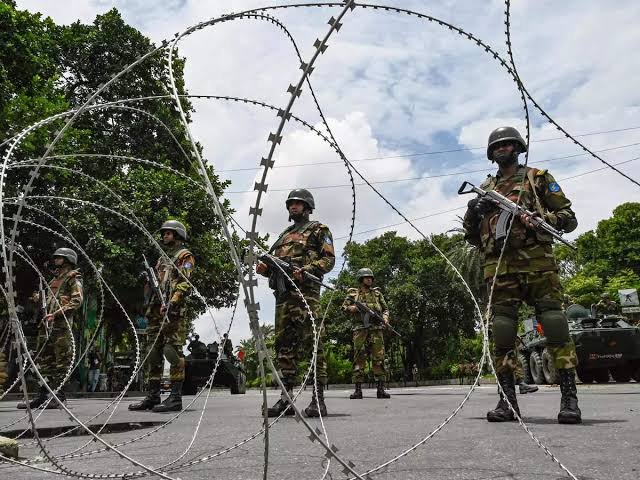
Meghalaya health authorities have reportedly strengthened border health surveillance by deploying emergency screening teams at entry points to monitor travellers arriving from Bangladesh amid a significant rise in dengue cases in the neighbouring country.
The precautionary measures aim to detect suspected cases early and reduce the possibility of imported infections. Moreover, health teams can help identify people who may require medical evaluation while providing information about dengue prevention and symptoms.
The move highlights the importance of coordinated surveillance in border districts during periods of increased disease transmission.
Khneng Embroidery Wins National Spotlight as Air India Express Showcases Meghalaya Craft
Meghalaya Strengthens Border Health Screening
The Meghalaya dengue screening initiative focuses on monitoring people entering the state through border transit points.
Health teams can conduct basic screening and identify travellers who report symptoms associated with dengue. Furthermore, officials can direct suspected cases toward appropriate medical facilities for further evaluation.
The measures represent a precautionary public-health response rather than confirmation of widespread transmission in Meghalaya.
Bangladesh Dengue Surge Raises Concern
Bangladesh regularly faces seasonal dengue outbreaks, with transmission influenced by rainfall, temperature, and mosquito populations.
A rise in cases across the border can increase the need for vigilance in neighbouring regions. Additionally, regular movement of people between border areas makes health surveillance particularly relevant.
Meghalaya’s screening measures seek to strengthen early detection during this period.
Early Detection Remains Important
Dengue commonly spreads through infected Aedes mosquitoes, rather than directly from person to person.
Border screening cannot eliminate mosquito-borne transmission, but identifying suspected infections can help health authorities provide timely medical assessment and strengthen surveillance. Moreover, early recognition of warning signs can help people seek appropriate medical care.
Health authorities can combine screening with community-level prevention measures.
Border Districts Require Greater Vigilance
Communities living near international borders often experience regular movement between neighbouring areas.
This movement can make disease surveillance more challenging during outbreaks. Furthermore, border health teams can coordinate with local healthcare facilities to monitor potential cases and respond quickly when necessary.
The approach can help strengthen preparedness without disrupting essential movement unnecessarily.
Public Awareness Can Support Prevention
Screening teams can also play an important role in informing travellers about dengue prevention.
People can reduce mosquito exposure by using appropriate mosquito protection and avoiding areas with high mosquito activity. Additionally, communities can reduce breeding opportunities by preventing stagnant water from accumulating around homes and public spaces.
Public participation remains an important part of dengue control.
Surveillance Supports Health Preparedness
Emergency screening teams can provide authorities with additional information about health conditions at border entry points.
Officials can use surveillance data to identify patterns and determine whether further measures are necessary. Moreover, coordination between border authorities, hospitals, laboratories, and local health departments can improve response capacity.
Early information can support faster public-health decisions.
Healthcare Facilities Must Remain Prepared
Increased surveillance also requires adequate medical preparedness.
Hospitals and health centres in border districts may need to remain alert for patients presenting with dengue-like symptoms. Furthermore, appropriate diagnostic and treatment capacity can help prevent severe cases from overwhelming local facilities.
Healthcare workers can also reinforce preventive advice during consultations.
Dengue Prevention Extends Beyond Borders
Border screening alone cannot control dengue transmission.
The disease depends heavily on mosquito populations and breeding conditions within communities. Additionally, rainfall and standing water can create favourable environments for mosquito breeding.
Therefore, vector-control efforts remain essential alongside border surveillance.
Community Cooperation Remains Essential
Residents can support public-health efforts by reporting suspected illness and following advice from health authorities.
Removing stagnant water from containers, drains, and other potential breeding sites can reduce mosquito populations. Moreover, using mosquito protection can lower the risk of bites.
Community participation can strengthen official disease-control measures.
What Happens Next?
Health authorities are expected to continue monitoring border entry points while assessing the dengue situation in neighbouring areas.
Officials could expand surveillance if evidence indicates an increased risk to Meghalaya. Furthermore, coordination with health authorities across the border could improve information sharing and regional preparedness.
The priority remains early detection and prevention.
Conclusion
The Meghalaya dengue screening measures represent a precautionary response to the reported increase in dengue cases in neighbouring Bangladesh. By strengthening surveillance at border entry points, health authorities can improve early detection and preparedness.
Moreover, screening works best when authorities combine it with mosquito-control measures, public awareness, and adequate healthcare capacity. At the same time, residents should follow official health guidance and seek medical attention for concerning symptoms.
Overall, border health surveillance and community-level dengue prevention can help Meghalaya prepare for potential cross-border health risks.
FAQs
1. Why has Meghalaya introduced border screening?
The measures reportedly respond to a rise in dengue cases in neighbouring Bangladesh and aim to strengthen early detection.
2. How does dengue spread?
Dengue primarily spreads through the bites of infected Aedes mosquitoes.
3. Can border screening prevent dengue completely?
No. Screening can help identify suspected infections, but mosquito control and prevention remain essential.
4. What can residents do to reduce dengue risk?
Residents can reduce mosquito breeding by eliminating stagnant water and use appropriate protection against mosquito bites.
5. What should someone do if they develop dengue-like symptoms?
They should seek advice from a healthcare professional, particularly if symptoms become severe or worsen.