

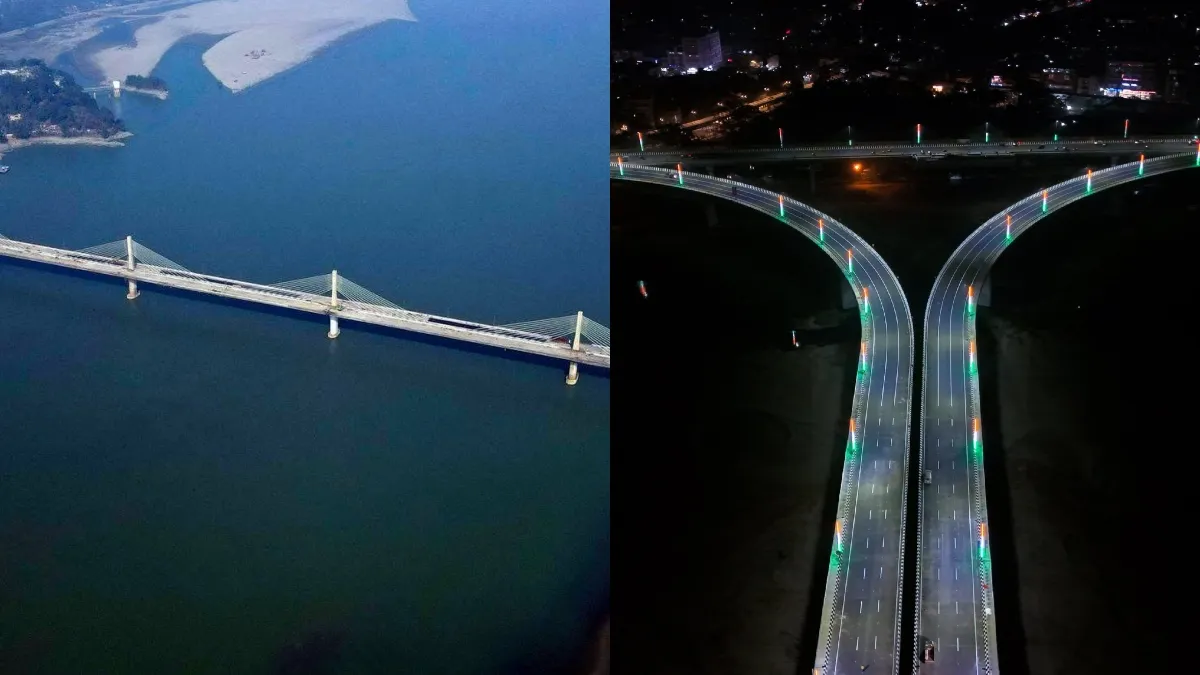
The Brahmaputra Tunnel Scrutiny debate has intensified after opposition MLAs formally questioned the economic viability of the proposed mega-budget under-river tunnel beneath the Brahmaputra. The concerns have brought renewed attention to the project’s financial feasibility and long-term economic impact.
The Brahmaputra Tunnel Scrutiny has gained political attention after opposition MLAs raised questions about the economic feasibility of the proposed under-river tunnel beneath the Brahmaputra. Moreover, the legislators sought greater clarity on the project’s financial justification and long-term benefits. The discussion highlights the importance of evaluating major infrastructure investments through economic and policy assessments.
Infrastructure Restoration Mandate: Union Cabinet Fast-Tracks Bridge Rehabilitation Across Northeast
Brahmaputra Tunnel Scrutiny Raised in Legislature
The Brahmaputra Tunnel Scrutiny began after opposition legislators formally questioned the financial viability of the proposed infrastructure project. Furthermore, they sought explanations regarding the project’s expected economic returns and investment requirements.
Large-scale infrastructure projects often undergo detailed public and legislative review. Consequently, economic feasibility remains an important aspect of project planning.
Moreover, legislative discussions contribute to transparency in public infrastructure initiatives. Therefore, the issue has drawn considerable attention.
Opposition Seeks Clarity on Project Economics
A key aspect of the Brahmaputra Tunnel Scrutiny is the opposition’s demand for greater clarity regarding the project’s financial sustainability. Furthermore, MLAs questioned whether the expected economic benefits justify the proposed investment.
Economic evaluations help governments assess major development projects. Similarly, cost-benefit analysis supports informed decision-making.
Consequently, the discussion has focused on balancing infrastructure development with fiscal responsibility. Thus, financial planning remains central to the debate.
Under-River Tunnel Represents Major Infrastructure Proposal
The Brahmaputra Tunnel Scrutiny centers on one of the region’s significant proposed infrastructure projects. Moreover, the under-river tunnel is intended to improve transportation connectivity across the Brahmaputra.
Major transport projects often require substantial financial investment. Additionally, long-term planning is essential for successful implementation.
Consequently, policymakers continue to examine various aspects of the proposal. Therefore, economic viability remains an important consideration.
Economic Viability Remains Central to Discussions
The Brahmaputra Tunnel Scrutiny underscores the importance of evaluating infrastructure investments through financial and economic analysis. Furthermore, legislators emphasized the need for comprehensive assessments before proceeding with large-scale public projects.
Infrastructure planning involves balancing development goals with available resources. Similarly, financial sustainability supports effective project implementation.
Moreover, careful evaluation promotes accountability in public spending. Thus, economic analysis continues to shape the discussion.
Infrastructure Projects Undergo Public Review
The Brahmaputra Tunnel Scrutiny reflects the broader process of legislative oversight for major public infrastructure initiatives. Furthermore, public discussions allow policymakers to examine technical, financial, and developmental aspects.
Legislative review contributes to informed governance. Consequently, project proposals benefit from detailed examination before implementation.
Additionally, transparent discussions strengthen public confidence in decision-making. Therefore, oversight remains an important element of infrastructure planning.
Looking Ahead
The Brahmaputra Tunnel Scrutiny is expected to continue as discussions on the project’s financial and developmental aspects progress. Moreover, policymakers may review additional technical and economic assessments during future deliberations.
As infrastructure planning advances, authorities are likely to evaluate long-term costs and expected benefits. Similarly, legislative discussions may help shape future decisions regarding the project.
Consequently, the debate reinforces the importance of careful planning for major public investments. Thus, the proposal will continue to receive policy attention.
Conclusion
The Brahmaputra Tunnel Scrutiny has brought the economic feasibility of the proposed under-river tunnel into focus following questions raised by opposition MLAs. The discussion highlights the need for detailed financial assessments before undertaking major infrastructure investments.
Moreover, legislative oversight plays an important role in ensuring transparency and accountability in public projects. Consequently, the debate contributes to informed decision-making regarding infrastructure development.
Looking ahead, further economic evaluations and policy discussions are expected to guide the project’s future direction. Therefore, the Brahmaputra Tunnel Scrutiny remains an important issue in regional infrastructure planning.
FAQs
1. What is the Brahmaputra Tunnel Scrutiny?
The Brahmaputra Tunnel Scrutiny refers to the opposition’s questions regarding the economic viability of the proposed under-river tunnel beneath the Brahmaputra.
2. Who raised concerns about the project?
Opposition MLAs formally questioned the project’s financial and economic feasibility.
3. What is the main concern?
The primary concern is whether the mega-budget project is economically viable and financially justified.
4. Why is economic viability important?
It helps determine whether a major infrastructure project offers sustainable long-term benefits relative to its cost.
5. What happens next?
The project is expected to remain under legislative and policy review as discussions on its feasibility continue.