


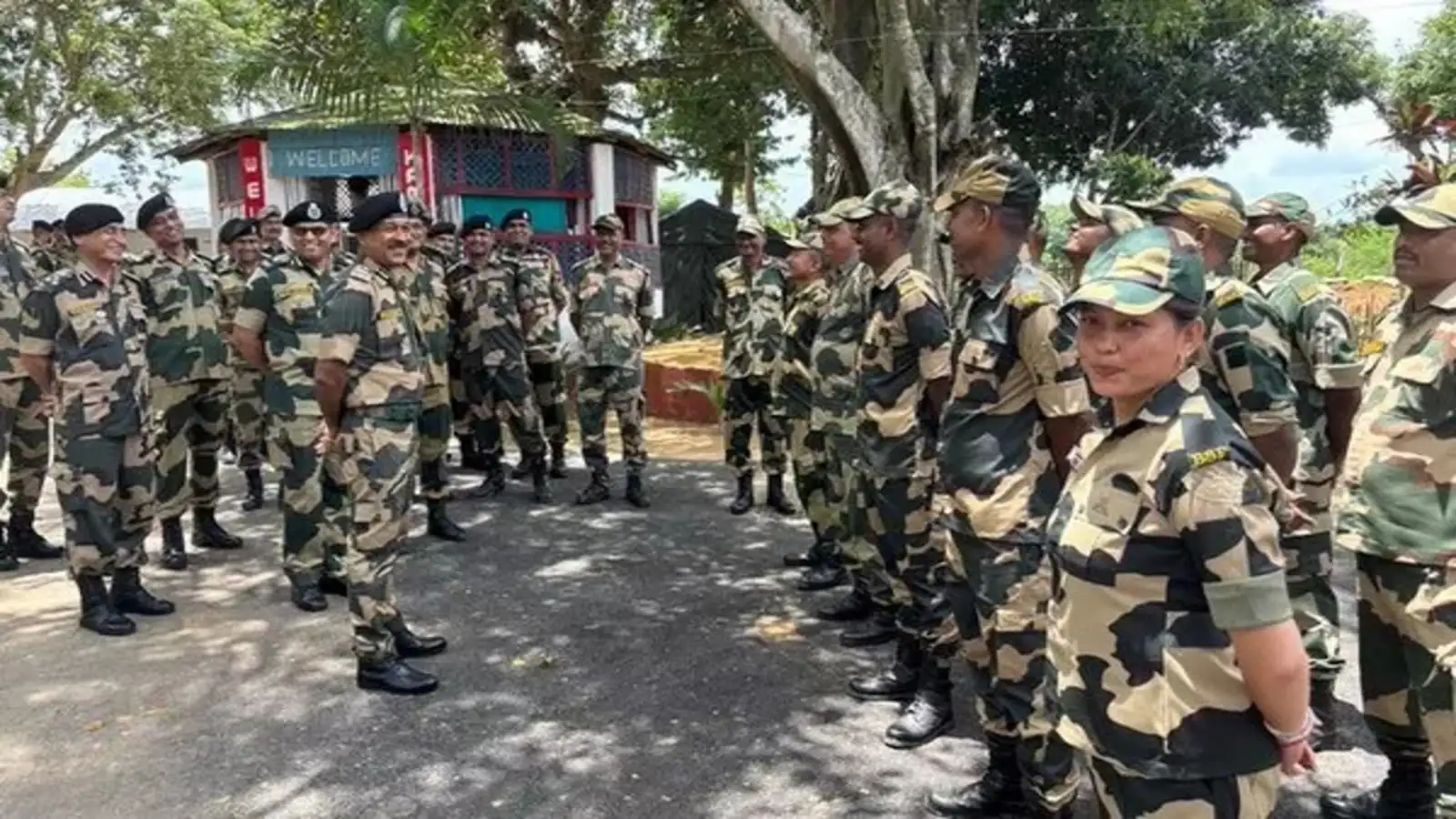
The BSF border security review gained attention after Mahesh Kumar Aggarwal, Special Director General (SDG) of the Border Security Force Eastern Command, arrived on a three-day official visit to assess security dynamics along the Indo-Bangladesh international border. The visit highlights the BSF’s continued focus on strengthening border management, enhancing surveillance, and addressing emerging security challenges in sensitive border areas.
Power Upgrade Work Nears Completion
Agartala Civil Hospital Opens June 17
BSF Launches High-Level Border Review
Mahesh Kumar Aggarwal, Special Director General of the BSF Eastern Command, has begun a three-day official visit to evaluate security conditions along the Indo-Bangladesh international border. The visit reflects the Border Security Force’s commitment to maintaining strong border management and ensuring national security.
Moreover, senior BSF officials will use the review to examine operational preparedness, surveillance systems, and coordination mechanisms in border areas. As security challenges continue to evolve, authorities regularly conduct such assessments to strengthen border protection strategies.
Consequently, the visit has become an important development in ongoing efforts to safeguard the international frontier.
Focus on Indo-Bangladesh Border Management
The Indo-Bangladesh border remains one of the country’s most strategically important international boundaries. Therefore, security agencies continuously monitor activities along the frontier to prevent illegal movement and maintain stability.
During the visit, officials will assess current security arrangements and review measures that support effective border management. Additionally, they will evaluate infrastructure, deployment patterns, and operational readiness in sensitive sectors.
As a result, the review will help identify areas that require further strengthening and modernization.
Assessing Security Dynamics
Border security involves managing a wide range of challenges, including illegal crossings, smuggling activities, and other cross-border concerns. Therefore, senior officials regularly conduct field visits to understand changing security dynamics and operational requirements.
Furthermore, direct interaction with field personnel provides valuable insights into local conditions and emerging challenges. These assessments allow authorities to make informed decisions regarding resource allocation and security planning.
Consequently, the review process plays a crucial role in maintaining an effective security framework.
Strengthening Surveillance Systems
Modern surveillance technologies have become essential components of border management. Security agencies increasingly rely on advanced monitoring systems to improve situational awareness and detect suspicious activities.
During the review, officials may examine existing surveillance infrastructure and evaluate opportunities for further enhancement. Additionally, technological upgrades can improve response capabilities and strengthen overall border security.
Therefore, continuous investment in surveillance remains a key priority for security agencies operating along international borders.
Interaction With BSF Personnel
Field visits also provide opportunities for senior officers to interact directly with BSF personnel stationed in border areas. Such interactions help leadership understand operational challenges and gather feedback from officers responsible for day-to-day security duties.
Moreover, discussions with personnel can improve coordination and strengthen organizational effectiveness. By engaging with field units, senior officials can better evaluate operational readiness and support requirements.
As a result, these interactions contribute to more effective security management.
Importance of Border Security
Border security plays a critical role in protecting national interests and maintaining public safety. Effective border management helps prevent illegal activities while supporting lawful movement and trade.
Furthermore, secure borders contribute to regional stability and strengthen confidence in national security institutions. Therefore, periodic reviews remain essential for ensuring that security measures continue to meet current requirements.
Consequently, authorities place significant importance on maintaining high operational standards along international frontiers.
Infrastructure and Operational Readiness
Infrastructure development remains a key component of effective border management. Roads, observation posts, communication systems, and surveillance equipment support the work of security personnel operating in challenging environments.
During the assessment, officials are likely to review infrastructure conditions and operational capabilities across various sectors. Additionally, they may evaluate whether existing resources adequately support security objectives.
Therefore, infrastructure reviews form an important part of comprehensive security assessments.
Enhancing Coordination and Preparedness
Security agencies rely on strong coordination mechanisms to address challenges effectively. Regular reviews help improve communication, streamline operations, and enhance preparedness across different units.
Moreover, preparedness remains essential in responding quickly to emerging situations along the border. By evaluating existing procedures, authorities can identify opportunities for improvement and strengthen response capabilities.
As a result, coordinated planning supports more efficient border management.
Strategic Significance of the Visit
The three-day visit demonstrates the importance that security agencies place on continuous monitoring and evaluation. High-level reviews allow leadership to assess ground realities and ensure that operational strategies remain effective.
Furthermore, such visits reinforce the commitment of security forces to maintaining vigilance and adapting to changing circumstances. Therefore, the assessment carries both operational and strategic significance.
Consequently, the visit serves as an important step in strengthening overall border security efforts.
Looking Ahead
As the review progresses, authorities will analyze observations and recommendations from various locations along the border. These findings can help shape future policies, infrastructure upgrades, and operational strategies.
Additionally, continued assessments will support long-term efforts to maintain a secure and well-managed international boundary. Therefore, the visit represents an ongoing commitment to strengthening border protection measures.
The findings from the review may contribute to future improvements in surveillance, infrastructure, and security operations across the region.
Conclusion
The arrival of BSF Eastern Command SDG Mahesh Kumar Aggarwal for a three-day border assessment highlights the importance of proactive security management along the Indo-Bangladesh international border. Through field inspections, personnel interactions, and operational reviews, the visit aims to strengthen surveillance, improve preparedness, and enhance border security measures.
As authorities continue monitoring evolving security challenges, such high-level reviews will remain essential for maintaining effective border management and safeguarding national interests.
FAQs
Who is conducting the border security review?
Mahesh Kumar Aggarwal, Special Director General of the BSF Eastern Command, is conducting the review.
How long will the official visit last?
The visit will continue for three days.
What is the purpose of the review?
The review aims to assess security dynamics, operational preparedness, and border management systems along the Indo-Bangladesh border.
Why are such reviews important?
These assessments help authorities strengthen security measures, improve coordination, and address emerging challenges.
Which border is under review?
The assessment focuses on the Indo-Bangladesh international border.