


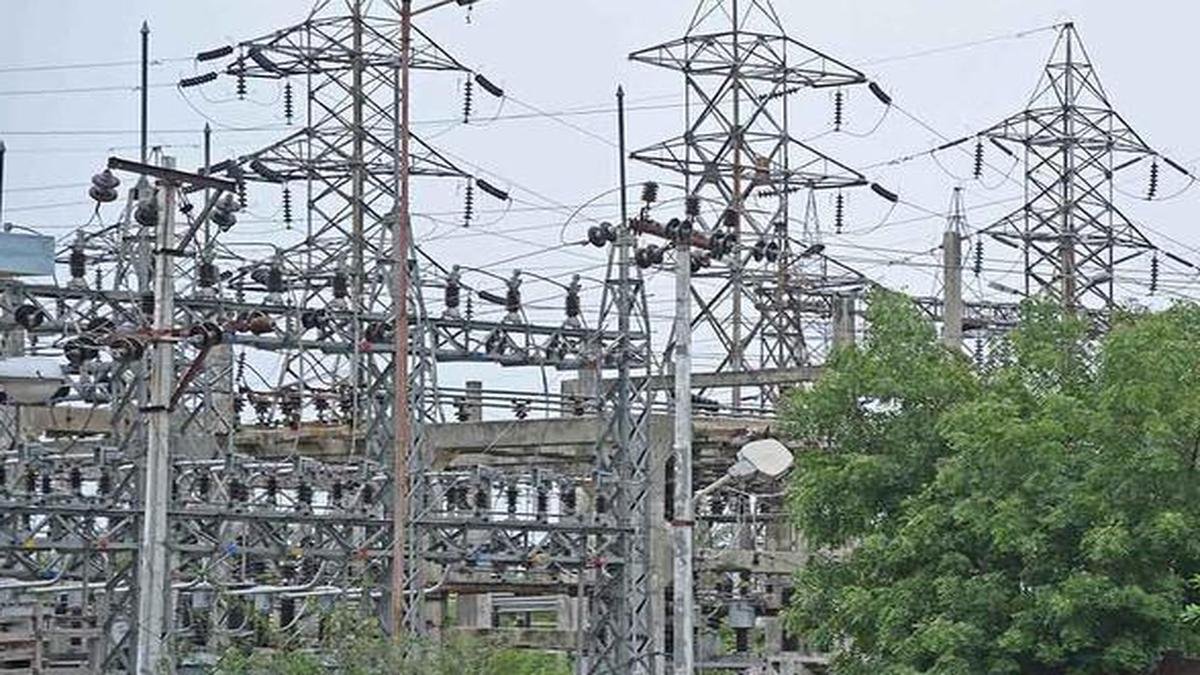
The power distribution strengthening project has reached a significant milestone, with Power Minister Ratan Lal Nath confirming that 95% of the strengthening and modification work has been completed across the state. The achievement marks a major step toward enhancing electricity reliability, reducing outages, and supporting growing energy demands. As the remaining work progresses, residents and businesses can expect a more efficient and resilient power distribution network.
Tripura Rooftop Solar Scheme Targets 2 Lakh Homes by 2027
PM SVANidhi Loans Empower 9,300 Street Vendors
State Achieves Major Progress in Power Infrastructure
The state has made remarkable progress in modernizing its electricity network. Power Minister Ratan Lal Nath recently announced that 95% of the power distribution strengthening and modification work has been successfully completed.
The development highlights the government’s commitment to improving power infrastructure and ensuring reliable electricity services for consumers. Moreover, the project aims to address long-standing challenges related to power transmission and distribution efficiency.
As electricity demand continues to grow, infrastructure upgrades remain essential for maintaining stable and uninterrupted power supply.
Importance of Distribution Network Modernization
A strong distribution network forms the backbone of an efficient power sector. Electricity generated at power plants must travel through transmission and distribution systems before reaching homes, businesses, and industries.
Therefore, any weakness in the network can result in outages, voltage fluctuations, and service disruptions. The ongoing modernization initiative seeks to strengthen critical infrastructure and improve overall network performance.
Additionally, upgraded systems help utility providers manage electricity distribution more effectively while minimizing technical losses.
What the Project Includes
The strengthening and modification initiative involves multiple infrastructure improvements. Authorities have focused on upgrading distribution lines, replacing aging equipment, and enhancing network capacity.
Furthermore, the project includes modernization measures designed to improve operational efficiency and service reliability. These upgrades ensure that the power distribution system can handle increasing demand from residential, commercial, and industrial consumers.
As a result, consumers are expected to benefit from improved electricity quality and reduced service interruptions.
Benefits for Households and Consumers
The near-completion of the project brings several advantages for households across the state. Most importantly, stronger infrastructure reduces the likelihood of power outages and supply disruptions.
Additionally, upgraded systems help maintain stable voltage levels, protecting electrical appliances and improving user experience. Reliable electricity also supports daily activities, education, communication, and household productivity.
Consequently, consumers can enjoy improved service quality and greater confidence in the power distribution network.
Support for Business and Industry
Reliable electricity remains essential for economic growth. Businesses and industries depend on uninterrupted power supply to maintain operations, meet production targets, and serve customers efficiently.
The strengthened distribution network will help reduce operational disruptions caused by power-related issues. Moreover, improved infrastructure can attract investment by creating a more dependable business environment.
Therefore, the project contributes not only to better public services but also to broader economic development objectives.
Reducing Technical Losses
One of the major goals of infrastructure modernization involves minimizing technical losses within the power system. Older equipment and inefficient distribution networks often result in energy losses during transmission and distribution.
By upgrading infrastructure and implementing modern technologies, authorities can improve efficiency and reduce wastage. Consequently, more electricity reaches consumers while utility providers operate more effectively.
Reduced losses also support financial sustainability within the power sector.
Meeting Future Energy Demand
Electricity consumption continues to increase due to population growth, urbanization, and expanding economic activities. Therefore, governments must invest in infrastructure capable of supporting future demand.
The ongoing project strengthens the state’s readiness for long-term growth by enhancing network capacity and reliability. Additionally, improved infrastructure provides flexibility for integrating future energy solutions and technological advancements.
This forward-looking approach ensures that the power sector remains prepared for evolving consumer needs.
Government Commitment to Infrastructure Development
The announcement by Power Minister Ratan Lal Nath reflects the government’s broader focus on infrastructure development. Reliable utilities play a crucial role in improving living standards and supporting economic progress.
Through sustained investments in power infrastructure, authorities aim to deliver better services while creating a stronger foundation for future growth. Furthermore, successful project implementation demonstrates effective planning and resource utilization.
Such initiatives contribute significantly to overall development goals and public welfare.
Remaining Work and Future Plans
Although 95% of the project has already been completed, authorities continue working on the remaining components. Completing the final phase will further strengthen the distribution network and maximize project benefits.
Additionally, ongoing maintenance and future upgrades will remain necessary to ensure long-term performance. Power infrastructure requires continuous monitoring and modernization to keep pace with technological advancements and growing demand.
Therefore, the completion of this project marks an important milestone rather than the end of development efforts.
Long-Term Impact on the Power Sector
The strengthened network will provide long-lasting benefits for consumers, businesses, and utility providers. Improved reliability can enhance customer satisfaction, reduce maintenance challenges, and support economic expansion.
Moreover, modern infrastructure creates opportunities for future smart-grid technologies and energy management solutions. As the power sector evolves, a robust distribution network will remain essential for delivering efficient and sustainable services.
The project’s success demonstrates the value of strategic investments in critical public infrastructure.
Conclusion
The confirmation that 95% of the power distribution strengthening and modification work has been completed represents a major achievement for the state’s power sector. The project enhances reliability, improves efficiency, and prepares the electricity network for future growth.
As the remaining work reaches completion, consumers can look forward to better service quality, fewer disruptions, and a stronger power infrastructure capable of supporting long-term development. The initiative stands as a significant step toward a more resilient and efficient energy future.
FAQs
How much of the power distribution project has been completed?
Power Minister Ratan Lal Nath confirmed that 95% of the strengthening and modification work has been completed.
What is the purpose of the project?
The project aims to improve electricity reliability, strengthen infrastructure, and reduce power distribution challenges.
How will consumers benefit?
Consumers can expect fewer outages, better voltage stability, and improved overall electricity service quality.
Why is power infrastructure modernization important?
Modern infrastructure improves efficiency, reduces technical losses, and supports growing energy demand.
Will the project support future development?
Yes, the upgraded network will help accommodate future electricity demand and support economic growth.