

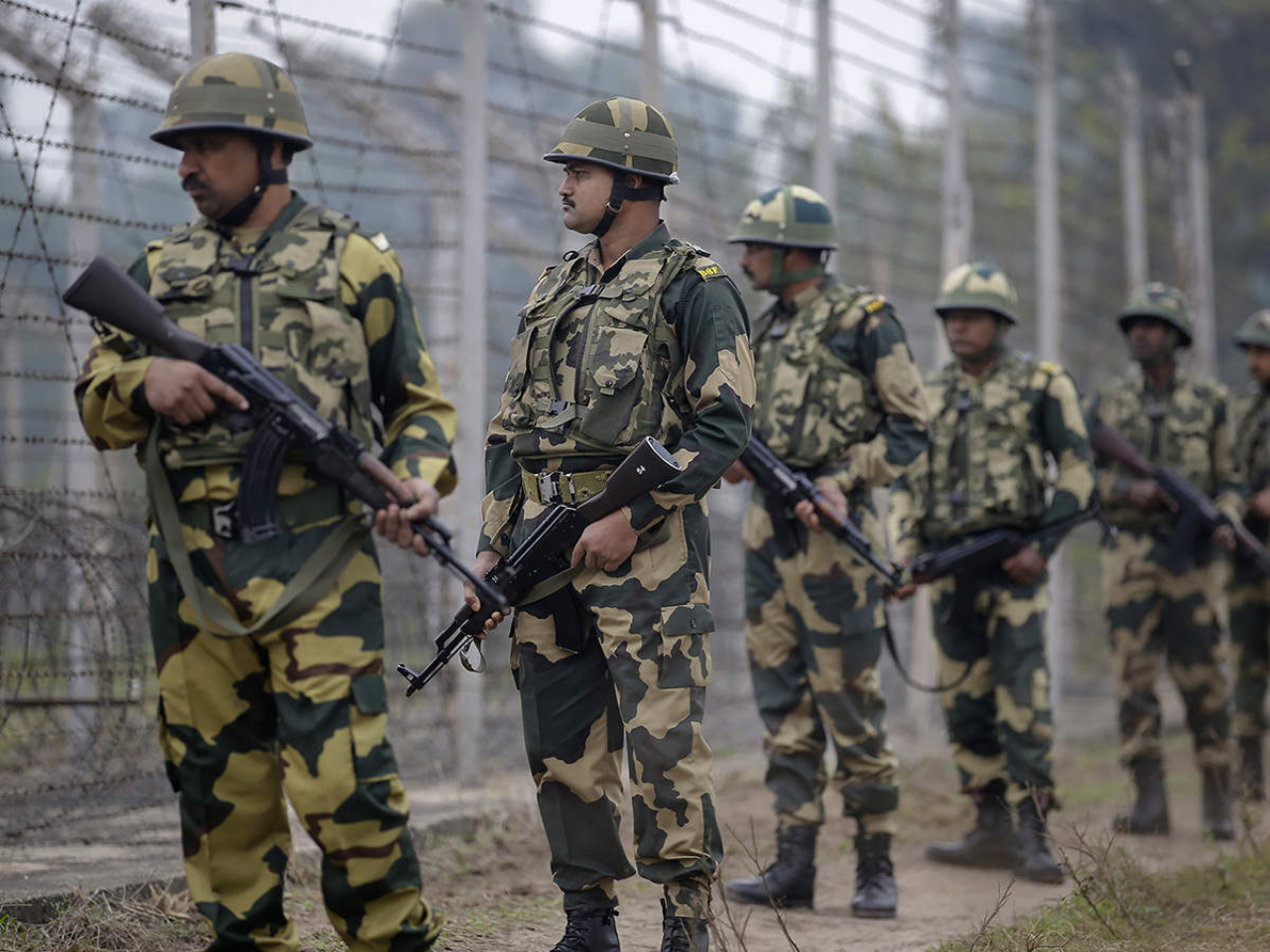
Chittagong Hill Tracts border tensions are drawing renewed attention across Northeast India as instability in southeastern Bangladesh raises concerns about security, migration and cross-border movement. The region borders India’s Tripura and Mizoram, making developments in the hill districts relevant to neighbouring states.
Bangladesh has recently reorganised its institutional framework for the Chittagong Hill Tracts, while rights groups have raised concerns about the growing role of security and intelligence agencies. Meanwhile, Indian border authorities continue to monitor movement along sensitive stretches of the frontier.
The concerns come against a wider backdrop of political violence, armed-group activity and displacement in the hill region. Consequently, security agencies on both sides face pressure to prevent instability from spilling across the international boundary.
Major Breakthrough: Chakhesang Youth Agitation Ends After Nagaland Forest Department Settlement
Chittagong Hill Tracts Border Tensions Draw Fresh Attention
Chittagong Hill Tracts border tensions have become a significant regional concern because of the area’s location between Bangladesh, India and Myanmar. The CHT comprises Rangamati, Khagrachari and Bandarban districts in southeastern Bangladesh.
India’s Tripura and Mizoram states share international borders with areas connected to the CHT. Therefore, instability inside the hill region can have consequences for border management even when incidents occur on the Bangladeshi side.
A recent assessment by regional observers described the CHT as an emerging security concern for Northeast India. It pointed to unresolved issues surrounding the 1997 CHT Peace Accord, land disputes, militarisation and tensions involving indigenous communities.
Moreover, Bangladesh’s own security environment remains sensitive. The UK government currently advises against all but essential travel to the CHT because of reports of violence and criminal activity in remote areas.
The situation therefore involves more than conventional border security. Humanitarian movement, local ethnic tensions, armed-group activity and illegal cross-border movement can all create additional pressure on neighbouring Indian states.
Bangladesh Restructures CHT Security and Administrative Framework
Chittagong Hill Tracts border tensions have coincided with changes in Bangladesh’s administrative approach to the region. In September, the Bangladesh government reconstituted its National Committee on Chittagong Hill Tracts affairs.
The 19-member committee is chaired by Bangladesh’s prime minister and has been tasked with setting priorities, overseeing activities and coordinating security and law-and-order matters in the hill districts. Its membership includes senior ministers and advisers, elected representatives from the three CHT districts, and senior security and intelligence officials.
However, the composition has attracted criticism from international rights organisations. The International Chittagong Hill Tracts Commission and the International Work Group for Indigenous Affairs said the newly created committees give substantial roles to military and intelligence institutions in CHT policymaking.
The concerns followed three Cabinet Division notifications issued on September 10. Those notifications created national, executive and advisory committees dealing with CHT affairs.
Supporters of stronger security coordination may view the restructuring as necessary because of continuing law-and-order concerns. Critics, however, argue that political dialogue and implementation of the Peace Accord should remain central to resolving longstanding disputes.
Consequently, the new framework could influence how Bangladesh manages security and political issues in the CHT. Its effect on the broader border environment will depend on how authorities implement the new arrangements.
Tripura and Mizoram Remain Key Border States
Chittagong Hill Tracts border tensions have particular relevance for Tripura and Mizoram because both states share sensitive frontier areas with Bangladesh. Tripura has already experienced security alerts linked to reported movement of Bangladesh-based armed groups.
In January 2026, authorities in Tripura’s Gomati district tightened security after receiving inputs about possible movement of cadres belonging to the Parbatya Chattagram Jana Samhati Samiti and United People’s Democratic Front. The district administration imposed a night curfew in selected areas of Karbook sub-division following the alert.
The same report noted that Tripura’s Gomati and Dhalai districts border the CHT. Earlier, Tripura authorities had also dealt with alleged PCJSS members who crossed into India after an armed clash in Bangladesh.
Separately, the Border Security Force detained an alleged PCJSS cadre near the India-Bangladesh border in Dhalai district in February. According to the BSF account reported by EastMojo, the individual was allegedly an armed cadre and had crossed into Indian territory from Bangladesh.
Mizoram faces a different but related challenge. In July, Mizoram Home Minister K. Sapdanga called for a clear state policy regarding people fleeing the CHT into Mizoram. He described the issue as having both humanitarian and security implications.
The state has received people from Bangladesh’s hill communities over several years. Therefore, any deterioration in the CHT can potentially increase pressure on Mizoram’s administration, security agencies and humanitarian networks.
Border Agencies Strengthen Coordination
Chittagong Hill Tracts border tensions are also being viewed through the wider India-Bangladesh border-management framework. The two countries held their 57th Director General-level Border Coordination Conference in New Delhi from June 8 to 11.
During the meeting, the BSF and Border Guard Bangladesh agreed to strengthen coordinated patrols, improve real-time information sharing and increase efforts against trans-border criminal networks.
The discussions also covered activities of armed groups in the CHT. According to reporting on the BGB’s account of the meeting, Bangladesh raised concerns about the possible presence of separatist and armed groups from the CHT in Mizoram. The BSF leadership reiterated India’s stated policy of not allowing Indian territory to be used by armed insurgent or terrorist groups.
The two sides also discussed border fencing, illegal crossings, smuggling and other security issues. Such cooperation is important because incidents in one part of the frontier can create wider concerns across neighbouring districts.
Furthermore, both countries have agreed to continue using established bilateral mechanisms to address border disputes and security concerns. The next DG-level conference was provisionally scheduled to take place in Dhaka in November 2026.
This coordination provides an established channel for addressing emerging security concerns. It also reduces the likelihood that individual incidents will develop into wider diplomatic disputes.
Humanitarian Concerns Add to Security Challenges
Chittagong Hill Tracts border tensions cannot be separated from the humanitarian issues affecting communities in the region. Displacement from the CHT has already reached neighbouring areas of Northeast India.
Mizoram’s Home Minister said in July that more than 2,000 members of the Bawm community from Bangladesh had taken shelter in Mizoram since 2022. He also said the state needed to consider how it should respond to people arriving from the CHT while accounting for security concerns.
At the same time, reports from rights organisations have alleged continuing violence, land disputes and other violations in the CHT. These claims remain contested and should be distinguished from independently verified security incidents.
The broader humanitarian situation can nevertheless affect border management. A sudden increase in displaced people can place pressure on local administration, healthcare, accommodation and documentation systems.
Moreover, communities living along the border often maintain social and cultural links across the international boundary. Those connections can make humanitarian responses more complex when security agencies simultaneously seek tighter monitoring of cross-border movement.
Therefore, authorities face the challenge of balancing border security with humanitarian considerations. Effective coordination can help distinguish genuine humanitarian movement from unauthorised or potentially dangerous cross-border activity.
Regional Security Outlook Remains Closely Watched
Chittagong Hill Tracts border tensions are likely to remain an important issue for Northeast India as Bangladesh continues to address security and political challenges in the hill region.
The immediate concern for India is not that instability in the CHT will automatically spread across the border. Rather, security agencies must monitor specific risks such as unauthorised crossings, armed-group movement, smuggling and sudden displacement.
Tripura’s experience in January shows how intelligence inputs can lead to temporary security measures along sensitive border areas. Mizoram’s policy discussions similarly demonstrate the state’s concern about the humanitarian and security consequences of movement from the CHT.
Meanwhile, the bilateral border-management mechanism remains active. India and Bangladesh have reaffirmed their commitment to coordinated patrols, information sharing and efforts against trans-border criminal networks.
However, long-term stability will also depend on developments inside Bangladesh’s hill districts. The implementation of the CHT Peace Accord, relations between indigenous communities and state institutions, and the handling of land and security disputes will remain important factors.
For Northeast India, sustained monitoring and communication between border agencies will therefore remain essential. At the same time, humanitarian concerns require separate attention so that displaced communities are not viewed solely through a security lens.
Conclusion
Chittagong Hill Tracts border tensions are creating renewed security and humanitarian concerns for India’s Northeast, particularly in Tripura and Mizoram. Recent developments in Bangladesh, including the restructuring of its CHT administrative framework, have increased attention on the region.
Tripura has previously tightened security after intelligence inputs about possible armed-group movement from the CHT. Mizoram, meanwhile, has been considering how to respond to people arriving from Bangladesh’s hill areas.
India and Bangladesh continue to use bilateral mechanisms to strengthen border coordination and address trans-border security concerns. Therefore, the immediate priority remains preventing illegal movement and criminal activity while maintaining humanitarian safeguards.
The situation will ultimately depend on developments within the CHT and the effectiveness of security, political and humanitarian responses on both sides of the border.
FAQs
Why are Chittagong Hill Tracts border tensions important for Northeast India?
Chittagong Hill Tracts border tensions matter because the region lies close to India’s Tripura and Mizoram, creating potential concerns involving cross-border movement, armed groups, smuggling and displacement.
Which Indian states border the Chittagong Hill Tracts?
Tripura and Mizoram share international borders with Bangladesh’s southeastern hill region. Their border districts can therefore be directly affected by developments in the CHT.
Has India tightened security because of CHT-related concerns?
Tripura authorities tightened security in January 2026 after receiving inputs about possible movement of cadres from Bangladesh-based armed groups linked to the CHT.
What are India and Bangladesh doing to manage border risks?
The BSF and BGB have agreed to strengthen coordinated patrols, improve information sharing and intensify cooperation against trans-border criminal networks.
Are humanitarian issues also involved?
Yes. Mizoram has received people fleeing the CHT, and state authorities have discussed the need to balance humanitarian assistance with security and documentation concerns.