


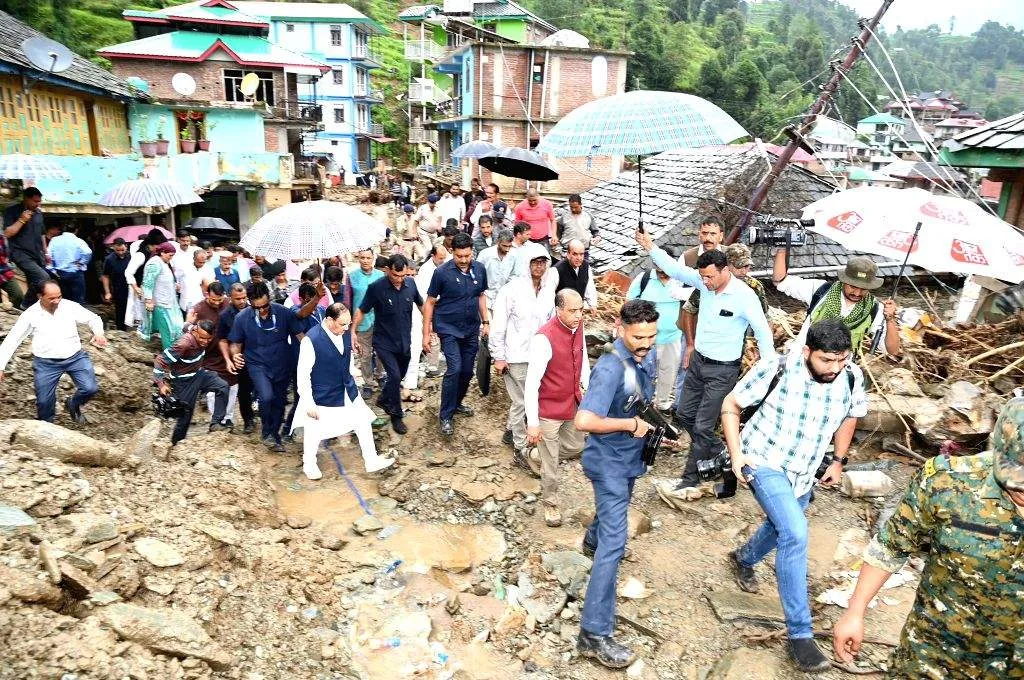
The Cloudburst Rescue response received attention as Union Minister J.P. Nadda visited Yazali in Arunachal Pradesh’s Keyi Panyor district to meet survivors affected by flash flooding. The visit focused on assessing the situation on the ground and interacting with residents impacted by the severe weather event.
The visit brought central-level attention to the challenges faced by affected communities. Moreover, direct interaction with survivors can help authorities understand immediate needs related to relief, recovery, infrastructure, and essential services.
The reported visit also highlights the importance of coordinated disaster response in areas vulnerable to intense rainfall and sudden flooding. However, the available information does not specify the number of affected residents, the extent of property damage, or details of any financial assistance announced during the visit.
Organic Pineapple Push: Nagaland Cooperatives Flag Off First International Export Consignment
Cloudburst Rescue Focuses on Affected Communities
The Cloudburst Rescue response gained further attention with J.P. Nadda’s visit to Yazali.
Meeting residents affected by flash flooding allows officials to hear directly about challenges faced during and after a disaster. Furthermore, such visits can help authorities identify gaps in relief delivery and assess the condition of essential infrastructure.
The visit therefore provided an opportunity to understand the situation at the community level.
However, the available information does not provide details about the specific locations visited by the Union Minister or the number of survivors he met.
Therefore, the full scope of the field assessment remains unclear.
Cloudburst Rescue Highlights Flash Flood Challenges
The Cloudburst Rescue situation underscores the risks that intense rainfall can create in mountainous areas.
Short-duration heavy rainfall can overwhelm drainage systems and cause rapid increases in water levels. Additionally, flash flooding can damage roads, bridges, homes, and other infrastructure, creating difficulties for both residents and emergency teams.
Yazali’s location within Keyi Panyor district places it among communities that can face challenges during severe weather events.
However, the available information does not identify the exact rainfall amount associated with the incident or provide a detailed damage assessment.
Consequently, the overall severity of the event requires further official data.
Cloudburst Rescue Requires Coordinated Relief Efforts
The Cloudburst Rescue response requires coordination between central agencies, state authorities, district administrations, and local emergency teams.
Disaster response can involve evacuation, temporary shelter, food supplies, medical assistance, road restoration, and communication support. Moreover, effective coordination can help ensure that assistance reaches affected households efficiently.
The Union Minister’s visit provides additional attention to the ongoing response.
However, the available information does not specify which relief agencies operated in Yazali or what emergency measures authorities had already implemented.
Therefore, the exact structure of the response remains unclear.
Cloudburst Rescue Brings Attention to Recovery Needs
The Cloudburst Rescue effort does not end when floodwaters recede.
Affected communities may require continued support to restore homes, roads, public facilities, agricultural areas, and local infrastructure. Furthermore, damaged transport links can make it difficult to deliver supplies and reconnect isolated communities.
A field visit can help officials assess these longer-term recovery requirements.
However, the available information does not provide details about reconstruction plans or the estimated cost of damage in Yazali.
Consequently, the recovery timeline remains uncertain.
Cloudburst Rescue Highlights Vulnerability of Mountain Communities
The Cloudburst Rescue incident highlights the vulnerability of mountain communities to sudden weather events.
Steep terrain, narrow valleys, and rapidly changing weather can increase the impact of flash flooding. Additionally, remote settlements may face longer response times when roads or communication networks suffer damage.
Improving early-warning systems and local preparedness can therefore play an important role in reducing disaster risks.
However, the available information does not specify whether new preparedness measures have been announced following the incident.
Cloudburst Rescue Puts Infrastructure Under Focus
The Cloudburst Rescue response also raises questions about the resilience of local infrastructure.
Roads, bridges, drainage systems, power networks, and communication facilities can face significant pressure during extreme rainfall. Moreover, stronger infrastructure and effective maintenance can improve communities’ ability to withstand severe weather.
The visit by the Union Minister could bring additional attention to infrastructure restoration requirements.
However, the available information does not identify specific infrastructure projects damaged by the flash floods.
Therefore, the full extent of the rebuilding requirement remains unknown.
Cloudburst Rescue Could Strengthen Disaster Preparedness
The Cloudburst Rescue experience could provide lessons for future disaster preparedness in Keyi Panyor and other vulnerable areas.
Authorities can review emergency response procedures, evacuation systems, communication channels, and infrastructure resilience after major weather events. Furthermore, local communities can benefit from greater awareness of emergency warnings and response protocols.
However, no specific post-disaster preparedness programme has been detailed in the available information.
Consequently, any future policy changes will depend on subsequent assessments by state and central authorities.
Cloudburst Rescue Highlights Need for Continued Monitoring
The Cloudburst Rescue situation requires continued monitoring even after immediate emergency operations conclude.
Weather conditions can remain unstable during periods of heavy rainfall, while damaged slopes and infrastructure can create additional risks. Additionally, authorities may need to monitor vulnerable roads, bridges, drainage channels, and settlements during subsequent rainfall events.
The field visit provides an important opportunity to review conditions on the ground.
However, the available information does not indicate whether additional central or state-level assessments will follow.
Conclusion
The Cloudburst Rescue response gained further attention after Union Minister J.P. Nadda visited Yazali in Keyi Panyor district to meet survivors of flash flooding. The visit brought central-level attention to the situation and provided an opportunity to understand the challenges facing affected residents.
Moreover, the incident highlights the importance of coordinated relief, infrastructure restoration, disaster preparedness, and continued monitoring in vulnerable mountain communities. However, the available information does not provide detailed casualty figures, damage estimates, relief allocations, or a timeline for full recovery.
Overall, the Cloudburst Rescue response remains focused on supporting affected communities and assessing their recovery needs. Continued coordination between central and state authorities will remain important as Yazali and surrounding areas work toward restoring normal conditions.
FAQs
1. What happened in Yazali?
Yazali in Keyi Panyor district experienced flash flooding following severe weather, affecting local residents and communities.
2. Who visited the affected area?
Union Minister J.P. Nadda visited Yazali to meet survivors and assess the situation.
3. Why are flash floods dangerous in mountainous areas?
Flash floods can develop quickly and affect roads, homes, bridges, and other infrastructure, particularly in areas with steep terrain.
4. What support do affected communities typically need?
Communities may require emergency shelter, food, medical assistance, infrastructure restoration, transportation support, and longer-term recovery assistance.
5. Will recovery continue after the immediate rescue response?
Yes. Recovery can require continued assessment and restoration of damaged homes, infrastructure, and essential services after immediate emergency operations conclude.