


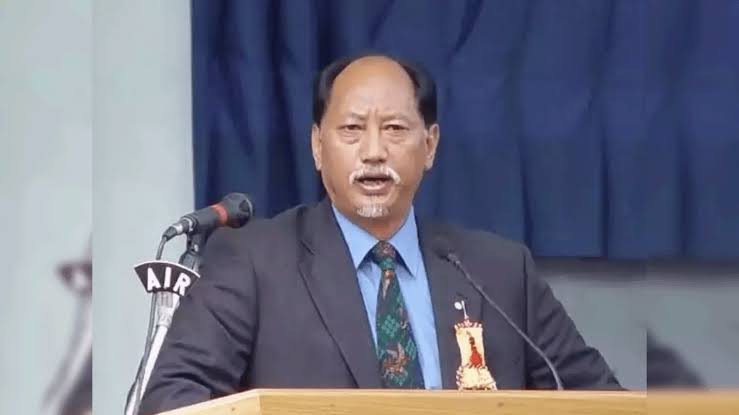
Nagaland Chief Minister Neiphiu Rio used his Independence Day address to call for an early, honourable, and acceptable solution to the long-standing Naga Political Issue. His appeal renewed attention on one of the Northeast’s most enduring political challenges.
Rio’s statement reflects the Nagaland government’s continued emphasis on resolving the political issue through dialogue and negotiation. Moreover, his call for an acceptable settlement highlights the importance of finding an outcome that addresses the aspirations of the Naga people while maintaining peace and stability.
The demand comes as negotiations and political discussions continue to shape the region’s political landscape.
Sovereignty Reiteration: Centre Reaffirms Arunachal Pradesh as an Integral Part of India
Neiphiu Rio Calls for Faster Resolution
The Neiphiu Rio Naga political solution demand formed a key part of his Independence Day message.
Rio called for an early resolution that remains honourable and acceptable to all relevant stakeholders. Furthermore, the wording emphasises the need for a settlement that can command broad acceptance rather than simply ending negotiations.
His statement places renewed political pressure on stakeholders to move the process forward.
Naga Political Issue Remains Unresolved
The Naga Political Issue has remained a central concern in Nagaland and the wider Northeast for decades.
Multiple political and armed Naga groups have pursued different demands concerning identity, political rights, autonomy, and governance. Additionally, successive governments have engaged with Naga representatives in attempts to establish a durable settlement.
The complexity of these demands has made a final agreement difficult to achieve.
Dialogue Remains Central to Peace Efforts
Negotiation has remained an important component of efforts to address the Naga issue.
Political leaders have repeatedly stressed the importance of dialogue between the government and Naga representatives. Moreover, maintaining communication can help prevent disagreements from developing into renewed tensions.
Rio’s latest appeal reinforces the importance of continuing that process.
Early Solution Could Bring Greater Stability
A durable political settlement could have significant implications for Nagaland.
It could provide greater clarity on governance arrangements, political relationships, and the future direction of the peace process. Furthermore, a settlement could strengthen confidence among communities and create conditions for greater economic and social development.
However, achieving such an outcome requires agreement among multiple stakeholders.
Honourable Settlement Remains Key Demand
Rio’s emphasis on an honourable solution reflects the importance of preserving the dignity and political aspirations of the Naga people.
An agreement must address the concerns of different stakeholders while remaining workable within India’s constitutional and political framework. Additionally, the process must account for the diversity of Naga communities and their differing perspectives.
These considerations make the negotiations particularly complex.
Acceptability Will Be Crucial
A political settlement can succeed only if the relevant stakeholders accept its core provisions.
The government, Naga political groups, civil society organisations, and communities may all have different expectations. Moreover, disagreements over implementation can create challenges even after an agreement is reached.
Building broad consensus will therefore remain essential.
Independence Day Message Adds Political Pressure
Rio’s public appeal gives the issue renewed visibility at a significant national occasion.
Independence Day addresses often provide political leaders with an opportunity to outline priorities for governance and peace. Furthermore, highlighting the Naga issue demonstrates its continuing importance within Nagaland’s political agenda.
The statement could encourage renewed attention from both state and central authorities.
Development Linked to Political Stability
Political stability and economic development remain closely connected.
A durable settlement could create greater certainty for investment, infrastructure development, employment, and public services. Additionally, peace can provide communities with a stronger foundation for long-term economic opportunities.
Rio’s call therefore carries implications beyond the political negotiations themselves.
Stakeholders Face Complex Negotiations
The Naga peace process involves multiple parties and longstanding demands.
Reaching an agreement requires careful negotiation over political, administrative, constitutional, and cultural questions. Moreover, each stakeholder may need to compromise on certain positions to achieve a broader settlement.
The challenge now lies in translating the call for urgency into meaningful progress.
What Happens Next?
The focus will remain on whether the latest political appeal leads to faster engagement among the relevant stakeholders.
The Nagaland government could continue pressing for dialogue and greater momentum in the negotiations. Furthermore, the central government and Naga representatives will need to work together to address unresolved differences.
The pace and substance of future talks will determine whether the long-standing issue moves closer to a settlement.
Conclusion
The Neiphiu Rio Naga political solution demand has renewed focus on Nagaland’s long-standing political challenge. In his Independence Day address, the Chief Minister called for an early, honourable, and acceptable solution to the Naga Political Issue.
Moreover, his appeal underlines the importance of dialogue, consensus, and political stability. At the same time, the complexity of the negotiations means that reaching a durable settlement will require sustained engagement among all relevant stakeholders.
Overall, an early Naga political settlement remains a major priority for Nagaland, with Rio’s latest call adding fresh political urgency to the search for a lasting solution.
FAQs
1. What did Neiphiu Rio demand?
Nagaland Chief Minister Neiphiu Rio called for an early, honourable, and acceptable solution to the Naga Political Issue.
2. Why is the Naga Political Issue important?
It involves longstanding questions concerning Naga identity, political rights, governance, autonomy, and peace in Nagaland and parts of the Northeast.
3. Why is dialogue important?
Dialogue allows the government and Naga representatives to negotiate differences and search for a settlement that can gain broad acceptance.
4. What does an honourable solution mean?
It refers to a settlement that respects the political aspirations and dignity of the Naga people while remaining workable within India’s constitutional framework.
5. What could happen after Rio’s appeal?
The state government, central authorities, and Naga representatives could intensify discussions aimed at resolving outstanding differences and accelerating the peace process.