


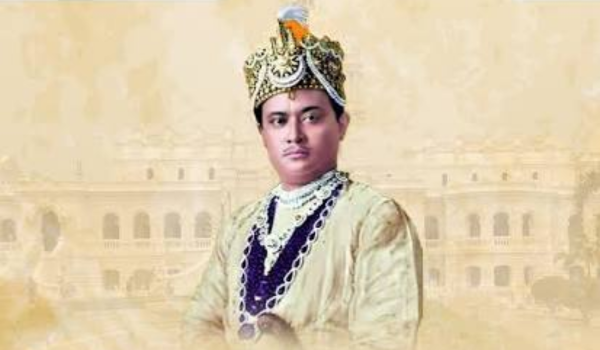
The 118th birth anniversary of Maharaja Bir Bikram Kishore Manikya has emerged as a significant political occasion in Tripura, with leaders from different parties invoking the former monarch’s socio-political legacy. The commemorations have provided competing political groups with an opportunity to connect their contemporary agendas with the ruler’s historical contributions.
Maharaja Bir Bikram remains an influential figure in Tripura’s modern history, particularly because of his contributions to education, infrastructure, administration, and the development of the state’s capital. Moreover, his legacy carries particular significance in political discussions surrounding indigenous identity and self-governance.
The anniversary has therefore become more than a ceremonial occasion, with different political voices presenting their own interpretations of his legacy.
Sovereignty Reiteration: Centre Reaffirms Arunachal Pradesh as an Integral Part of India
Maharaja Bir Bikram Legacy Takes Political Centre Stage
The Maharaja Bir Bikram legacy debate gained renewed attention during commemorations marking his 118th birth anniversary.
Political leaders across party lines reportedly paid tribute to the former ruler while highlighting different aspects of his contribution to Tripura. Furthermore, the competing interpretations demonstrate the continuing political relevance of his historical legacy.
The anniversary has provided a common historical reference point despite differences between political parties.
Contributions to Tripura’s Development
Bir Bikram Kishore Manikya ruled Tripura during a period of significant institutional and social change.
His administration promoted education and modern infrastructure while introducing reforms that shaped the development of the state. Additionally, Agartala’s development during his reign remains closely associated with his legacy.
These contributions continue to feature prominently in public commemorations.
Education Remains Part of His Legacy
Education represents one of the important areas associated with Bir Bikram’s historical contributions.
His reign witnessed efforts to expand educational opportunities and develop institutions in Tripura. Moreover, these initiatives helped shape the state’s modern administrative and social foundations.
Political leaders frequently reference such achievements when discussing his contribution to Tripura.
Indigenous Identity Adds Political Significance
The Maharaja’s legacy also carries significance in contemporary debates about indigenous identity.
Different political groups have invoked his historical association with Tripura’s indigenous communities while promoting their own positions on political representation and cultural protection. Furthermore, parties can use his legacy to connect modern policy demands with the state’s historical institutions.
This has made his birth anniversary particularly relevant to current political discourse.
Parties Present Different Interpretations
Although leaders across political parties may honour Bir Bikram, they can interpret his legacy differently.
Some political groups emphasise development and modernisation, while others highlight indigenous identity, political rights, or cultural preservation. Additionally, competing interpretations allow parties to frame contemporary political programmes through a shared historical figure.
The result is a broader debate over who best represents his political ideals.
Tipra Motha Highlights Indigenous Governance
Tipra Motha has particularly emphasised Bir Bikram’s legacy in discussions surrounding indigenous self-governance.
The party has linked his historical legacy with its broader political message concerning community rights, cultural identity, and local decision-making. Moreover, invoking the former ruler allows the party to connect contemporary demands with Tripura’s historical political identity.
The approach has given the anniversary additional electoral relevance.
BJP and Other Parties Also Pay Tribute
Other political parties have also highlighted Bir Bikram’s contributions.
By paying tribute to the former ruler, political leaders can appeal to broader sections of Tripura’s population while recognising his historical importance. Furthermore, cross-party recognition demonstrates that his legacy extends beyond the political boundaries of any single organisation.
However, parties continue to differ over how his ideals should inform present-day governance.
History Becomes Part of Election Politics
Historical figures can become powerful symbols during election campaigns.
Political parties often use familiar legacies to communicate complex political messages in a way that resonates with voters. Additionally, historical references can strengthen connections with cultural identity and regional pride.
The Maharaja’s anniversary therefore provides political parties with both a commemorative occasion and a platform for political messaging.
Legacy Debate Reflects Modern Tripura
The competing claims over Bir Bikram’s legacy reflect broader debates within contemporary Tripura.
Questions surrounding indigenous rights, development, land, cultural identity, and political representation remain politically important. Moreover, different parties use the Maharaja’s historical contributions to support different approaches to these issues.
The debate therefore extends beyond history into present-day politics.
Why His Legacy Remains Relevant
Bir Bikram’s influence continues to appear in discussions about Tripura’s transformation into a modern state.
His association with administrative reform, education, infrastructure, and cultural development provides multiple points of political reference. Furthermore, the continuing public recognition of his contributions ensures that his name remains prominent in Tripura’s political and cultural discourse.
The 118th birth anniversary has once again brought that legacy into focus.
What Happens Next?
The political debate surrounding Bir Bikram’s legacy is likely to continue beyond the anniversary.
Political parties may increasingly refer to his contributions while discussing indigenous rights, development, and governance. Additionally, future commemorations could provide further opportunities for competing interpretations of his historical role.
The enduring appeal of his legacy ensures that he will remain an important figure in Tripura’s public discourse.
Conclusion
The Maharaja Bir Bikram legacy debate has gained renewed political significance as Tripura marks the former ruler’s 118th birth anniversary. Leaders from different political parties have invoked his contributions while presenting their own interpretations of his socio-political legacy.
Moreover, his association with education, infrastructure, administration, and indigenous identity provides multiple points of connection with contemporary political issues. At the same time, competing claims demonstrate how historical figures can become powerful symbols in modern electoral politics.
Overall, Maharaja Bir Bikram’s legacy continues to influence Tripura’s political conversation, with parties across the spectrum seeking to connect their present-day agendas with his historical contribution to the state.
FAQs
1. Who was Maharaja Bir Bikram Kishore Manikya?
Maharaja Bir Bikram Kishore Manikya was a former ruler of Tripura who played an important role in the state’s administrative, educational, and infrastructural development.
2. Why was his 118th birth anniversary politically significant?
Leaders from different parties reportedly used the occasion to highlight different aspects of his legacy and connect them with contemporary political issues.
3. Which issues are linked to his legacy today?
His legacy features in discussions surrounding development, education, indigenous identity, cultural preservation, and governance.
4. Why does Tipra Motha highlight Bir Bikram?
Tipra Motha invokes his legacy while promoting its broader political message concerning indigenous rights and self-governance.
5. Do political parties agree on his legacy?
Parties generally recognise his historical importance, but they can differ significantly in how they interpret his contributions and apply them to contemporary politics.