

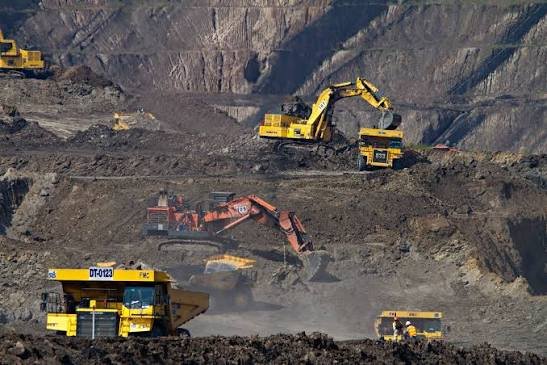
High court panels have reviewed compliance standards governing the Coal Mining Guidelines for scientific extraction of coal reserves. The review focuses on whether mining activities meet applicable environmental, safety, regulatory, and operational requirements while authorities continue efforts to ensure that coal extraction follows established scientific and legal standards.
The latest Coal Mining Guidelines review centers on compliance standards for scientific coal mining. High court panels have examined the requirements that govern how coal reserves should be extracted while maintaining appropriate regulatory and environmental safeguards.
Scientific mining generally emphasizes planned extraction, technical assessment, environmental management, worker safety, and responsible resource use. Moreover, compliance monitoring can help authorities determine whether mining operations follow approved conditions.
The judicial review adds another layer of scrutiny to the implementation of mining standards.
However, the information provided does not identify the specific high court, the cases under review, or the individual compliance standards examined by the panels.
Therefore, further official or judicial documents would be necessary to establish those details.
Mission Clouded Leopard: Environmentalists Launch Specialized Field Study to Protect State Animal
Coal Mining Guidelines Focus on Scientific Extraction Standards
The Coal Mining Guidelines provide a framework for assessing whether coal extraction follows scientific and regulated methods.
Scientific mining requires operators to use appropriate geological information and technical planning when extracting mineral resources. Furthermore, regulated operations generally need to account for factors such as mine safety, land management, environmental protection, and post-mining restoration.
Compliance standards help authorities evaluate whether operators meet these requirements.
However, the available information does not specify which particular standards the high court panels reviewed.
Consequently, it remains unclear whether the review focused primarily on environmental compliance, mining methods, worker safety, land restoration, or several areas together.
The reported development confirms that compliance with scientific mining standards remains under judicial scrutiny.
Coal Mining Guidelines Highlight Environmental Compliance
The Coal Mining Guidelines also carry significance for environmental management during coal extraction.
Mining can affect land, water resources, vegetation, and surrounding ecosystems when authorities or operators do not properly manage extraction activities. Moreover, scientific planning can help identify environmental risks before and during mining operations.
Compliance reviews can therefore examine whether operators follow approved environmental safeguards and restoration requirements.
However, the information provided does not identify any specific environmental violations or confirm that authorities found non-compliance.
Therefore, the review should not be interpreted as evidence of wrongdoing by particular mining operators.
Instead, it represents an assessment of compliance standards associated with scientific mining.
Further findings from the judicial process could clarify whether authorities have identified gaps requiring corrective action.
Coal Mining Guidelines Emphasize Regulatory Oversight
The Coal Mining Guidelines operate within a broader system of regulatory oversight.
Mining authorities must generally ensure that extraction activities comply with applicable permissions, technical requirements, environmental conditions, and safety standards. Additionally, judicial scrutiny can draw attention to whether regulatory systems are being implemented effectively.
High court panels reviewing compliance can therefore contribute to greater accountability within the mining sector.
However, the available information does not specify which regulatory agencies submitted compliance reports or provided evidence to the panels.
Similarly, no information indicates whether the review resulted in new directions, deadlines, penalties, or changes to existing procedures.
Consequently, the immediate administrative outcome remains unclear.
Coal Mining Guidelines Matter for Worker Safety
The Coal Mining Guidelines also have implications for worker safety when they govern scientific mining practices.
Mining operations require careful technical planning because workers may face risks associated with excavation, machinery, unstable ground, ventilation, transportation, and other operational conditions. Moreover, scientific mining standards can help establish procedures intended to reduce avoidable risks.
Compliance monitoring can help identify weaknesses in safety systems before they contribute to serious incidents.
However, the available information does not indicate that the high court panels specifically reviewed any particular workplace accident or safety violation.
Therefore, no connection should be made between the current review and a specific incident without official evidence.
The broader issue remains compliance with standards governing regulated mining operations.
Coal Mining Guidelines Could Shape Future Mining Practices
The Coal Mining Guidelines review could influence how authorities and mining operators approach scientific extraction in the future.
If judicial panels identify gaps in compliance, authorities could require stronger monitoring or corrective measures. Furthermore, clearer standards can help operators understand their responsibilities regarding environmental management, safety, technical planning, and restoration.
Such measures could improve consistency across mining operations.
However, the available information does not indicate whether the review has produced any new standards or amendments.
Consequently, existing requirements should continue to apply unless competent authorities formally announce changes.
The final impact will depend on the findings and directions that emerge from the judicial process.
Conclusion
The Coal Mining Guidelines have come under judicial review as high court panels examine compliance standards for the scientific mining of coal reserves. The review highlights the importance of technical planning, regulatory oversight, environmental safeguards, and responsible mining practices.
Moreover, judicial scrutiny can strengthen accountability by examining whether existing standards receive proper implementation. However, the available information does not identify the specific court, cases, standards, or findings involved in the review.
Overall, the Coal Mining Guidelines remain important for ensuring that coal extraction follows scientific and regulated methods. Further judicial or official updates will clarify whether the review results in additional compliance requirements, corrective measures, or changes to existing mining practices.
FAQs
1. What are the Coal Mining Guidelines?
The Coal Mining Guidelines refer to standards and requirements governing the scientific and regulated extraction of coal reserves.
2. Why are scientific mining standards important?
Scientific mining standards can support technical planning, worker safety, environmental management, efficient resource extraction, and post-mining restoration.
3. What are the high court panels reviewing?
The available information states that the panels are reviewing compliance standards related to the scientific mining of coal reserves, but it does not identify the specific standards examined.
4. Does the review confirm mining violations?
No. The available information does not establish any specific violation or wrongdoing by a particular mining operator.
5. Could the review change future mining practices?
Potentially. If the judicial process identifies compliance gaps, authorities could introduce additional requirements or corrective measures. Any changes would depend on official directions or regulatory decisions.