

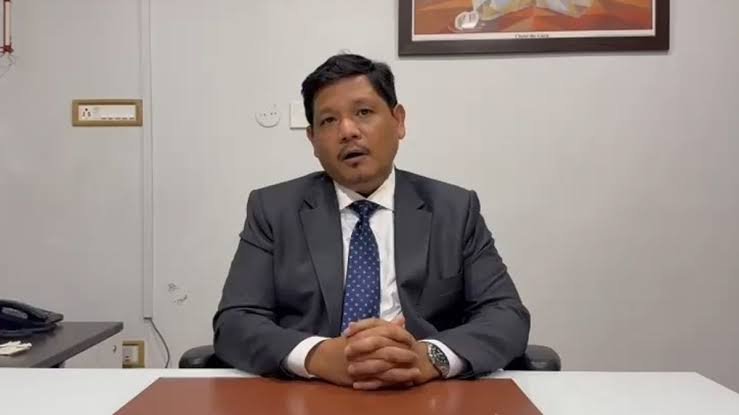
The Conrad K. Sangma Uranium Mining Opposition was reaffirmed after Meghalaya Chief Minister Conrad K. Sangma stated that his government would oppose uranium mining operations in the state. The statement reflects the government’s policy position and contributes to the ongoing public discussion on natural resource development and environmental governance.
The Conrad K. Sangma Uranium Mining Opposition gained renewed attention after Meghalaya Chief Minister Conrad K. Sangma declared that his government would oppose uranium mining operations in the state. The statement reiterated the administration’s position on the issue and highlighted the continuing debate over resource development, environmental considerations, and public policy. Moreover, the announcement emphasized the state’s role in determining its development priorities within the constitutional and legal framework.
Natural resource projects often involve discussions on economic development, environmental protection, and public interest. Therefore, government policy statements play an important role in clarifying official positions on such matters.
Assam Rifles Ukhrul Ambush Leaves Two Security Personnel Dead in 2026
Conrad K. Sangma Uranium Mining Opposition Reaffirmed
The Conrad K. Sangma Uranium Mining Opposition was reaffirmed when the Chief Minister stated that Meghalaya would oppose uranium mining operations. The statement represents the government’s declared policy position on the issue.
Moreover, the announcement provides clarity regarding the administration’s current stance on uranium mining. Consequently, it contributes to ongoing public and policy discussions surrounding resource management in the state.
The available information does not indicate any new policy decision beyond the Chief Minister’s stated position.
Uranium Mining Remains a Policy Debate
The Conrad K. Sangma Uranium Mining Opposition comes amid continuing discussions on natural resource development in Meghalaya. Furthermore, proposals involving mineral extraction often generate debate among governments, local communities, environmental groups, and other stakeholders.
Government policy decisions regarding mining typically consider multiple factors, including legal requirements, environmental regulations, economic implications, and public consultation. Therefore, official statements help communicate the administration’s priorities.
Moreover, future developments would depend on formal government decisions and applicable regulatory processes.
Conrad K. Sangma Uranium Mining Opposition Reflects Government Policy
The Conrad K. Sangma Uranium Mining Opposition reflects the position articulated by the Meghalaya government through the Chief Minister’s statement. Similarly, elected governments frequently outline their approach to major development issues through official public announcements.
Policy declarations provide direction for administrative planning and inform stakeholders of the government’s intentions. Consequently, the statement contributes to transparency in public governance.
Meanwhile, any future decisions regarding mining activities would require appropriate legal and regulatory procedures.
Resource Governance Requires Institutional Processes
The Conrad K. Sangma Uranium Mining Opposition highlights the broader importance of institutional decision-making in matters related to natural resources. Moreover, mining projects are generally subject to statutory approvals, environmental assessments, and other regulatory requirements where applicable.
Governments continue evaluating development priorities through established administrative mechanisms. Therefore, policy implementation depends on official decisions taken within the legal framework.
As discussions continue, authorities are expected to communicate any future policy developments through official channels.
Conclusion
The Conrad K. Sangma Uranium Mining Opposition reaffirms the Meghalaya government’s stated position against uranium mining operations in the state. The Chief Minister’s remarks contribute to ongoing discussions on natural resource management and public policy.
Moreover, the statement reflects the administration’s current policy approach while emphasizing the importance of government leadership in matters involving development and environmental considerations. Future decisions will continue to follow established legal and administrative procedures.
Overall, the Conrad K. Sangma Uranium Mining Opposition remains an important policy position within Meghalaya’s governance framework. Any changes regarding uranium mining will depend on future official decisions and applicable regulatory processes.
FAQs
1. What did Chief Minister Conrad K. Sangma say about uranium mining?
He stated that his government would oppose uranium mining operations in Meghalaya.
2. Does the statement represent official government policy?
Based on the available information, the Chief Minister’s remarks reflect the government’s stated policy position.
3. Has a new mining policy been announced?
The information provided refers to the Chief Minister’s statement and does not indicate the announcement of a new policy.
4. How are mining decisions generally made?
Mining proposals typically proceed through legal, regulatory, and environmental processes as required under applicable laws.
5. Can the government’s position change in the future?
Any future changes would depend on official government decisions and the applicable legal and regulatory framework.